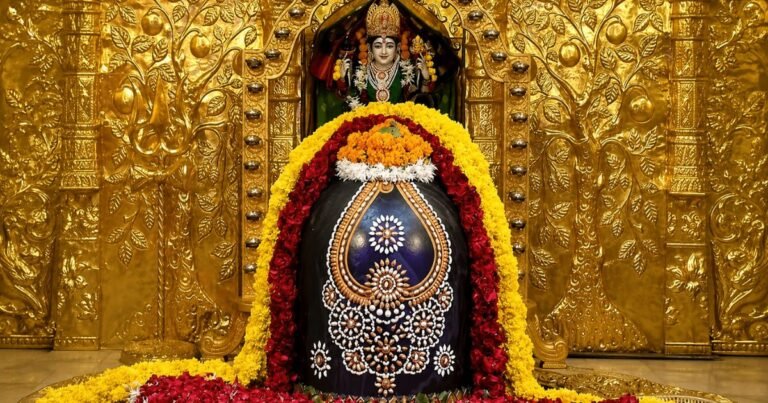
The Grand Journey of Lord Jagannath Begins
Everything You Need to Know
There are many temples in India. There are many festivals too.
But very few moments feel like Jagannath Rath Yatra.
For most of the year, devotees visit the Jagannath Temple to seek a glimpse of the Lord. During Rath Yatra, that changes. Lord Jagannath comes out of the temple Himself.
That simple thing is what makes this festival so special.
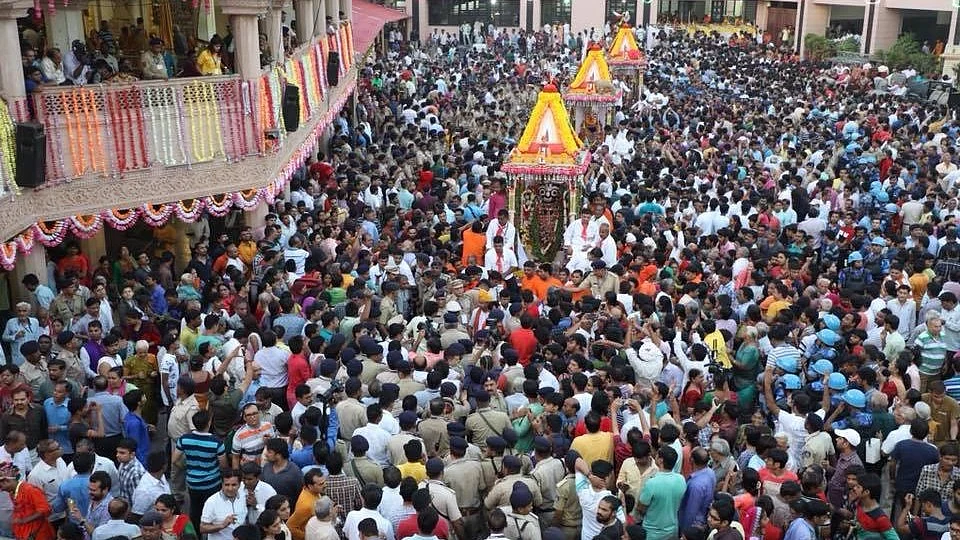
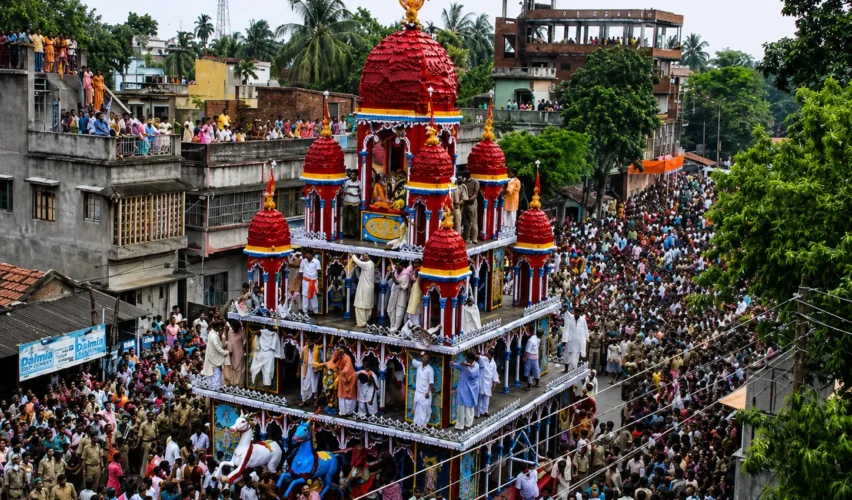
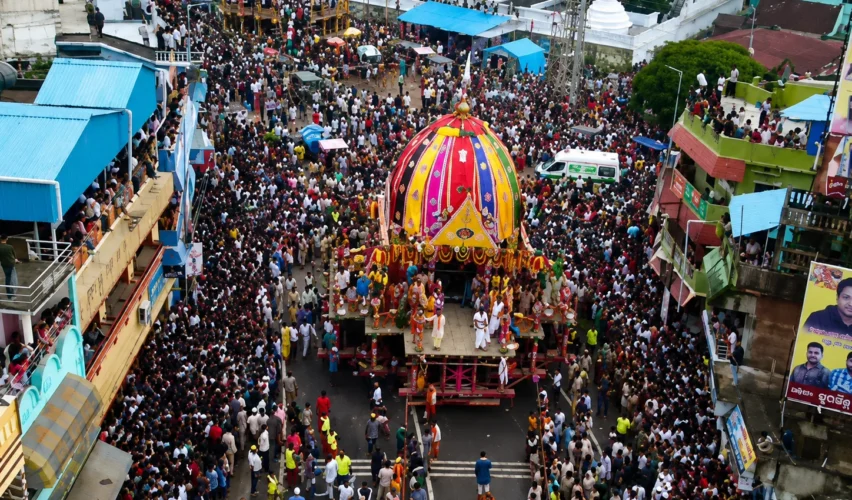
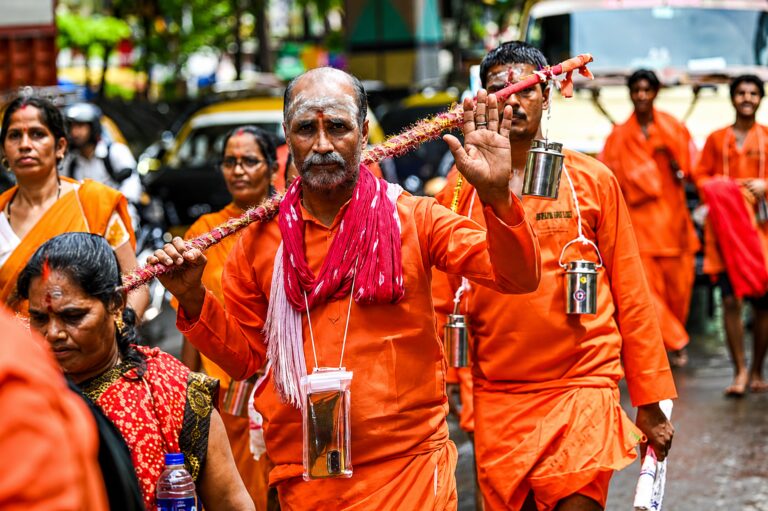
People wait for months to see the giant chariots roll through the streets of Puri. Some travel across the country. Some save money for years. Some stand in the crowd for hours, hoping for a single glimpse of the Lord. When the chariots begin to move, many devotees fold their hands. Many cry. Many simply watch in silence.
For them, this is not just a procession. It is the day the Lord comes closer to His devotees.
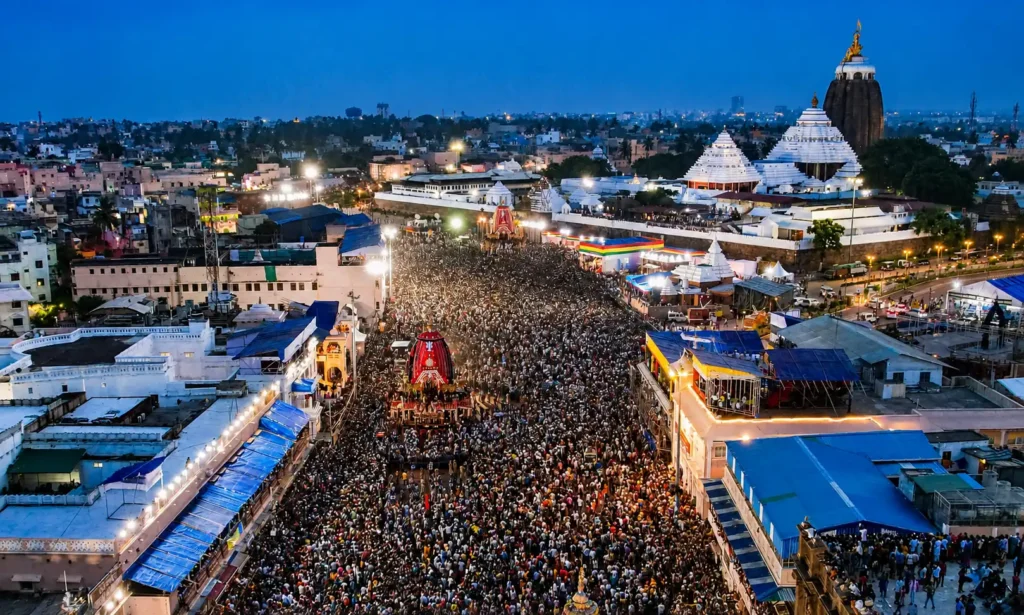
That feeling has kept the Jagannath Rath Yatra alive for centuries. Even today, millions gather in Puri to witness this sacred journey of Lord Jagannath, Balabhadra, and Subhadra from the Jagannath Temple to the Gundicha Temple.
If you want to understand the Jagannath Rath Yatra 2026 date, history, rituals, significance, and the deeper meaning behind this remarkable festival, this blog covers everything you need to know.
Jagannath Rath Yatra Explained in 5 Minutes
Short on time? Here is the entire festival in one quick block.
- What it is: A Hindu festival in which three deities leave their temple and ride on giant wooden chariots through Puri’s streets.
- Why it is celebrated: It marks Lord Jagannath’s yearly visit to his sister’s wish, fulfilled by traveling to the Gundicha Temple.
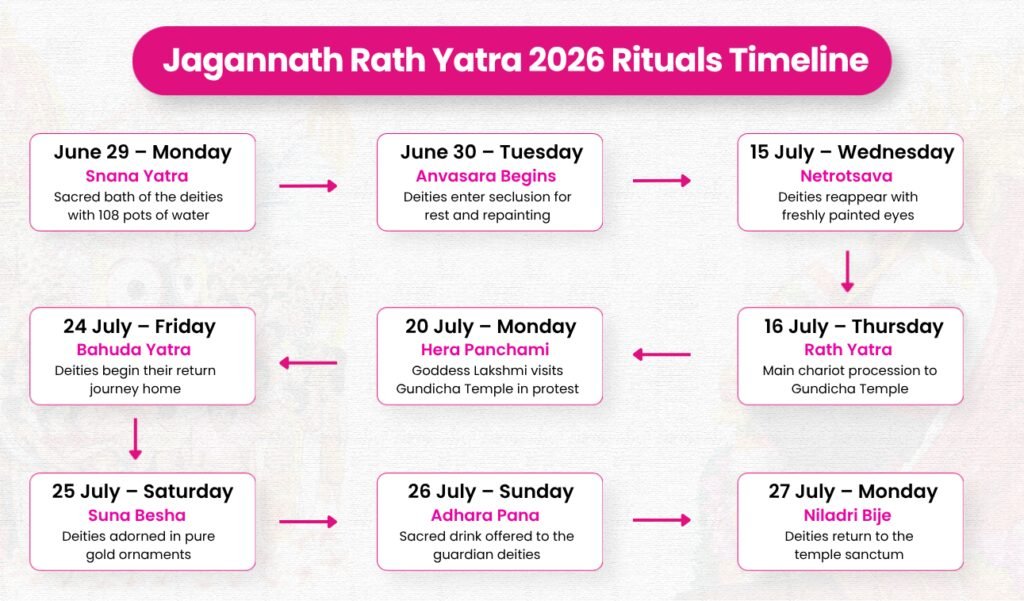
- Main rituals: Snana Yatra, Anavasara, Pahandi, Chhera Pahara, chariot pulling, Hera Panchami, Bahuda Yatra, Suna Besha, and Niladri Bije.
- Key dates: Main yatra on July 16, 2026. Bahuda Yatra on July 24. Niladri Bije on July 27.
- Spiritual meaning: The divine steps outside the temple to bless everyone equally, regardless of caste, religion, or background.
Who is Lord Jagannath?
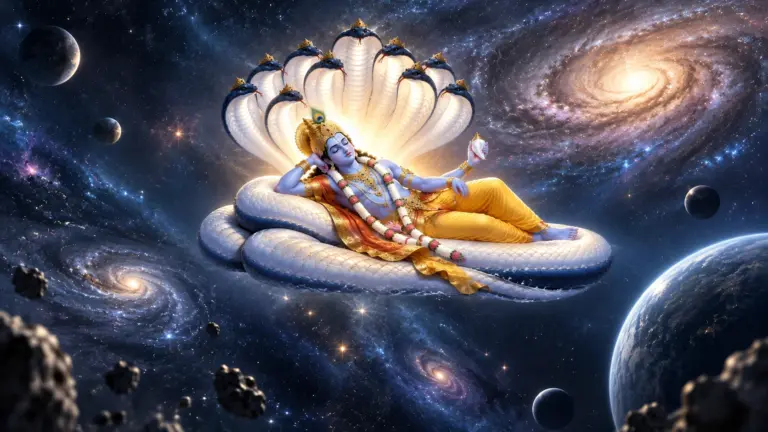
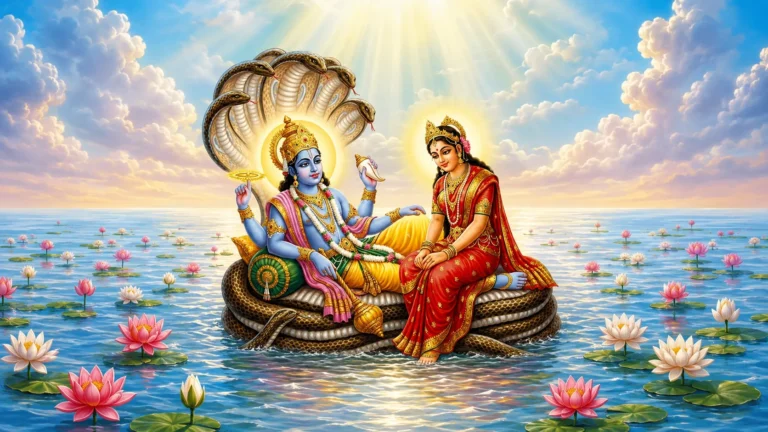
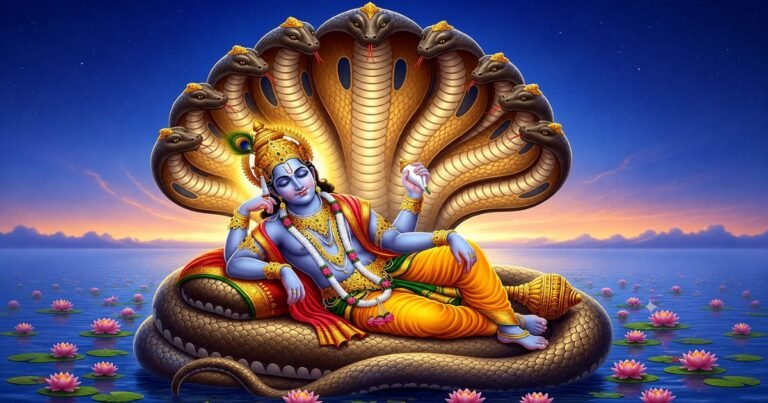
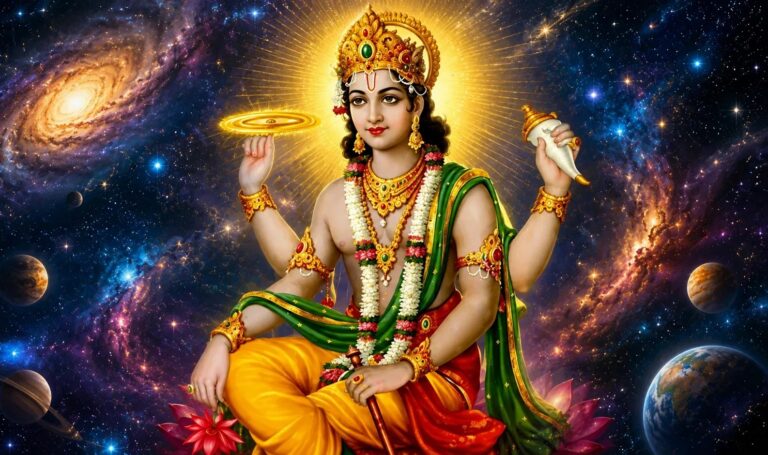
Lord Jagannath is a form of Lord Vishnu or Lord Krishna, worshipped primarily in Puri, Odisha, at the 12th-century Jagannath Temple. The name Jagannath comes from two Sanskrit words: Jagat, meaning the universe, and Nath, meaning lord or master. Together, the name means Lord of the Universe.
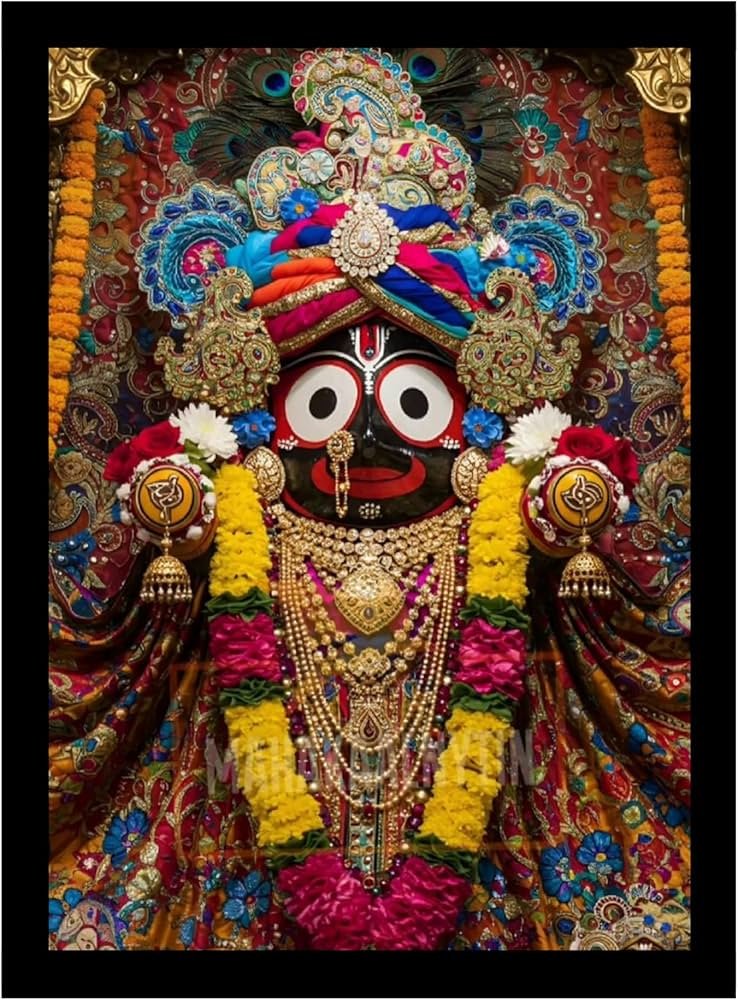
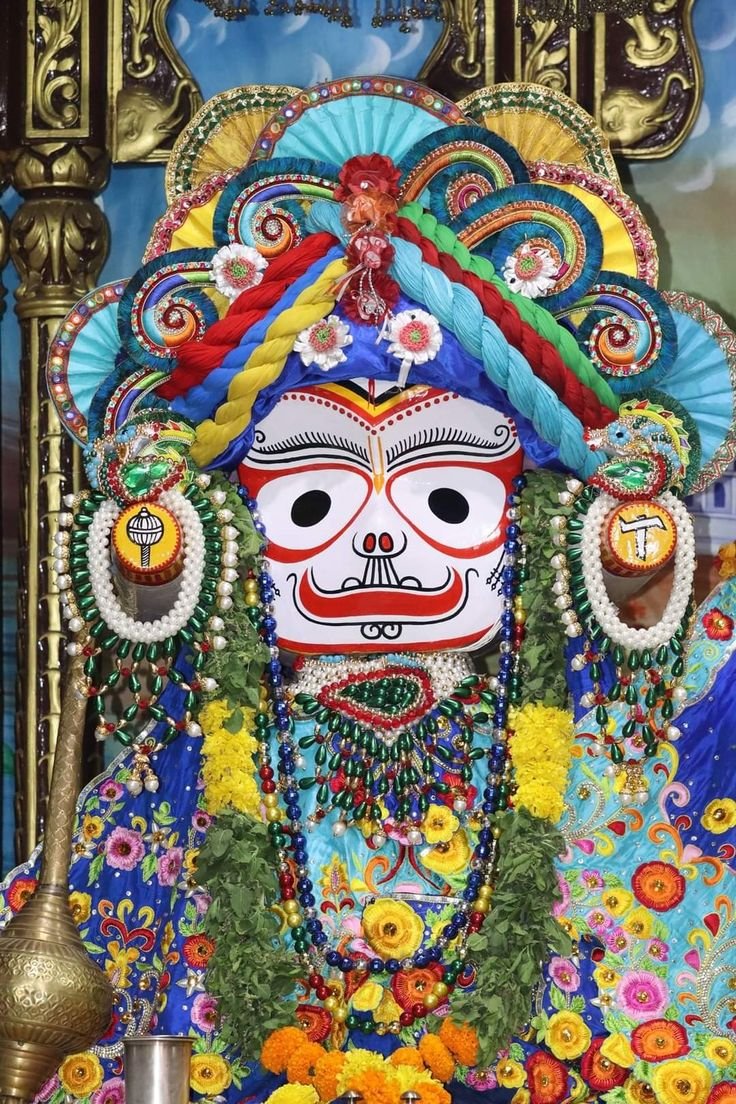
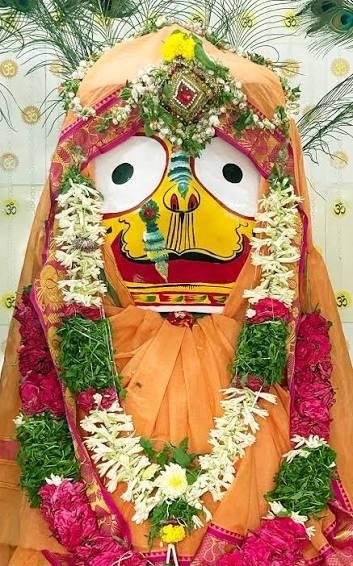
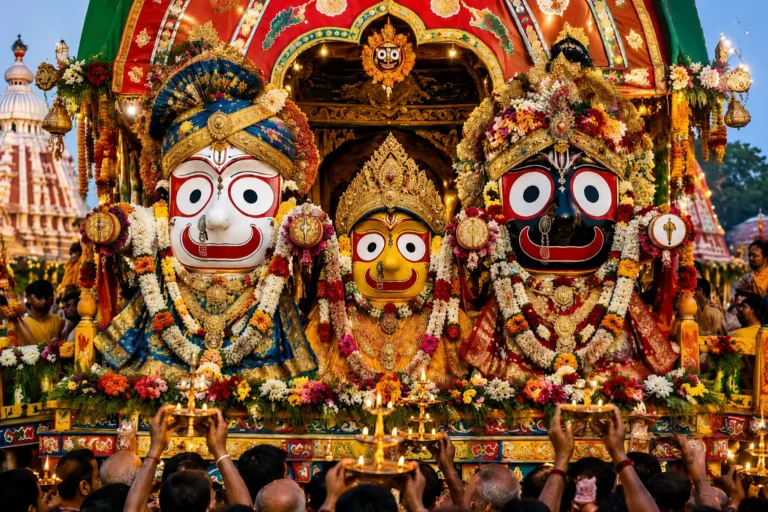
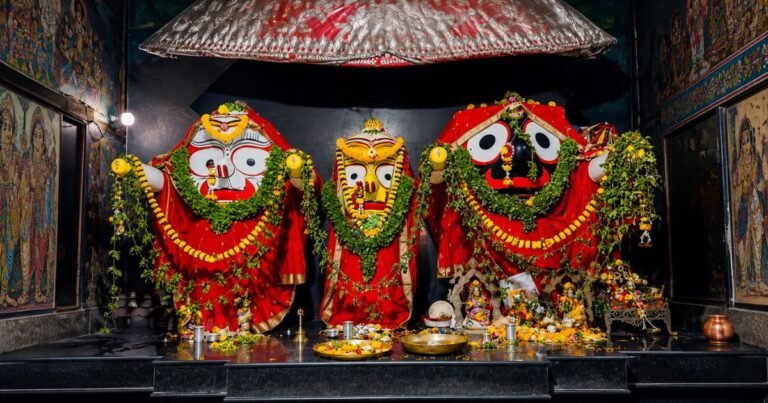
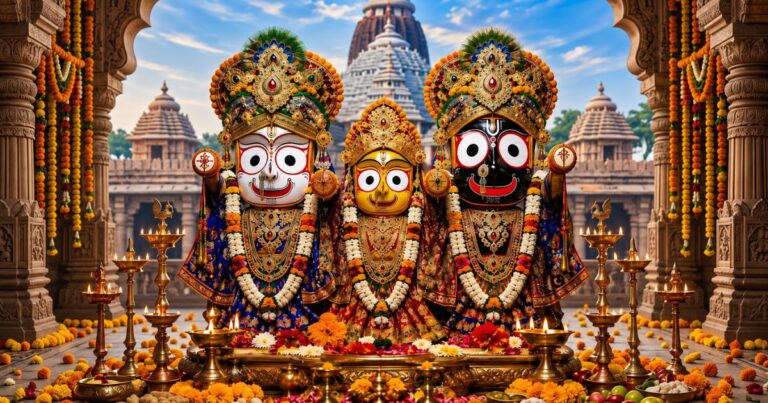
Lord Jagannath is worshipped alongside his elder brother Balabhadra and younger sister Subhadra. The three deities are carved from sacred neem wood and are known for their distinctive large circular eyes, broad flat faces, and unfinished arms that appear as rounded stumps. This unfinished form traces back to the legend of the divine sculptor Vishwakarma, who abandoned the carving before completion when King Indradyumna opened the workshop doors too early.
Jagannath Rath Yatra 2026 Date and Timings
The Jagannath Rath Yatra 2026 date is Thursday, July 16, 2026. This day falls on Ashadha Shukla Dwitiya, the second bright day of Ashadha month. The Dwitiya Tithi begins near midday on July 15 and ends near morning on July 16.
What is the History and Origin of Jagannath Rath Yatra?
The Jagannath Rath Yatra history stretches back many centuries. Many scholars trace its roots to ancient tribal traditions in Odisha. According to popular legend, a tribal chief named Vishvavasu worshiped a sacred form of Lord Vishnu known as Neela Madhava in a forest shrine. Over time, this tradition merged with mainstream Hindu worship and evolved into the Jagannath tradition known today.
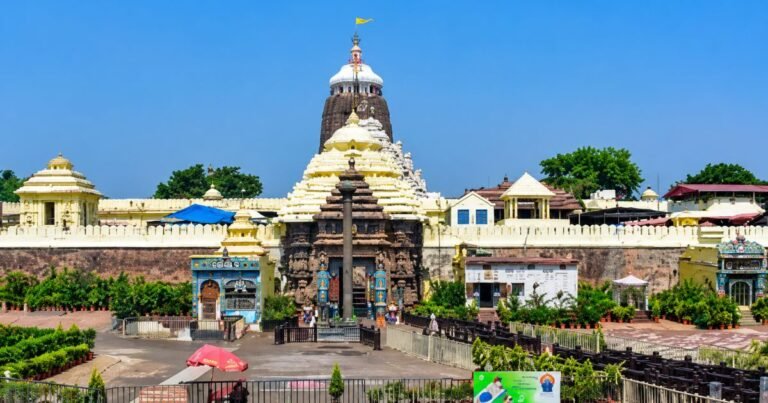
The present Jagannath Temple in Puri was built during the 12th century under King Anantavarman Chodaganga Deva of the Eastern Ganga dynasty. His successor, Anangabhima Deva III, later completed and expanded the temple complex. Historical records suggest that the Rath Yatra gained prominence during this period and grew into one of India’s largest religious festivals.
The procession also attracted international attention. In the early 14th century, the Franciscan friar Odoric of Pordenone recorded one of the earliest foreign accounts of the grand chariot festival in Puri.
What is the Story of King Indradyumna and Neel Madhava?
According to Hindu tradition, King Indradyumna is regarded as the founder of Lord Jagannath’s worship in Puri. Ancient texts such as the Skanda Purana and regional Jagannath traditions connect the origins of the deity with his search for a sacred form of Lord Vishnu known as Neel Madhava.
Legend states that Indradyumna, the ruler of Avanti, present-day Ujjain, wished to have darshan of Lord Vishnu. During his search, he learned about Neel Madhava, a mysterious deity worshipped in a forest shrine by a tribal chief named Vishvavasu. Determined to find the deity, the king sent his priest, Vidyapati, to investigate.
Vidyapati eventually met Vishvavasu and discovered the hidden shrine. However, by the time King Indradyumna reached the location, Neel Madhava had disappeared. According to the legend, a divine voice instructed the king not to grieve and directed him to the seashore, where he would find a sacred log known as Daru Brahma.
The king later discovered the log bearing the divine symbols of Vishnu, including the conch, discus, mace, and lotus. Following divine instructions, sacred wooden idols were carved from this wood. These idols later became associated with Lord Jagannath, Balabhadra, and Subhadra.
Many devotees consider this story the spiritual foundation of Jagannath worship. It also explains the special importance of sacred wood in Jagannath traditions and the annual rituals connected with the deities. While historians view the account as part of religious tradition rather than verifiable history, it remains one of the most cherished legends associated with the Jagannath Temple and the Rath Yatra.
The Story of Jagannath Rath Yatra Idol
Once Indradyumna found the sacred log, he needed a sculptor brave enough to carve it. Vishwakarma, the celestial architect of the gods, appeared disguised as an old carpenter. He agreed to carve the idols, but only under one strict condition. He demanded complete privacy behind locked doors for twenty one full days. The king agreed, yet grew restless as the days passed without a single sound.
Unable to control his curiosity, Indradyumna opened the doors before the time was complete. Vishwakarma had vanished, leaving the idols of Jagannath, Balabhadra, and Subhadra unfinished. This is why the deities show rounded stumps instead of carved hands and feet. Devotees see this incomplete form as proof of divine mystery rather than a flaw.
The Rath Yatra itself traces back to another gentle story. Subhadra once expressed a wish to visit her aunt’s home in Gundicha. Her brothers, Jagannath and Balabhadra, happily agreed to take her there by chariot. This single sibling gesture became the template for the annual festival.
Some older traditions also connect the journey to a meeting at Kurukshetra, where Krishna, Balarama, and Subhadra once reunited with family during a solar eclipse gathering.
Why Is Lord Jagannath Different From Other Hindu Deities?
Lord Jagannath is different from most Hindu deities because of His unique wooden form, large circular eyes, and unfinished limbs. Unlike traditional stone or metal idols found in many temples, the idols of Lord Jagannath, Balabhadra, and Subhadra have a distinctive appearance that reflects centuries of religious tradition and sacred symbolism.
Another feature that makes Lord Jagannath unique is the practice of Nabakalebara, one of the rarest rituals in Hinduism. During this ceremony, the wooden idols are ceremonially replaced with newly carved ones made from sacred neem trees. Most temple idols remain unchanged for centuries, but Lord Jagannath receives a new physical form at specific intervals.
The Nabakalebara ritual takes place when an extra month, known as Adhika Ashadha, appears in the Hindu lunar calendar. This rare event happens once every 8, 12, or 19 years, based on a leap month in the lunar calendar. The most recent Nabakalebara took place in 2015, with the next expected around 2034.
Historians and scholars also highlight Jagannath’s unique cultural background. Many studies suggest that Jagannath worship evolved through the interaction of ancient tribal traditions and mainstream Hindu practices. Over time, this sacred tradition became deeply connected with Vaishnavism while preserving several indigenous customs.
This blend of tribal heritage, Hindu theology, sacred wood worship, and the Nabakalebara tradition makes Lord Jagannath one of the most distinctive and widely revered deities in India.
The Three Deities and Three Sacred Chariots
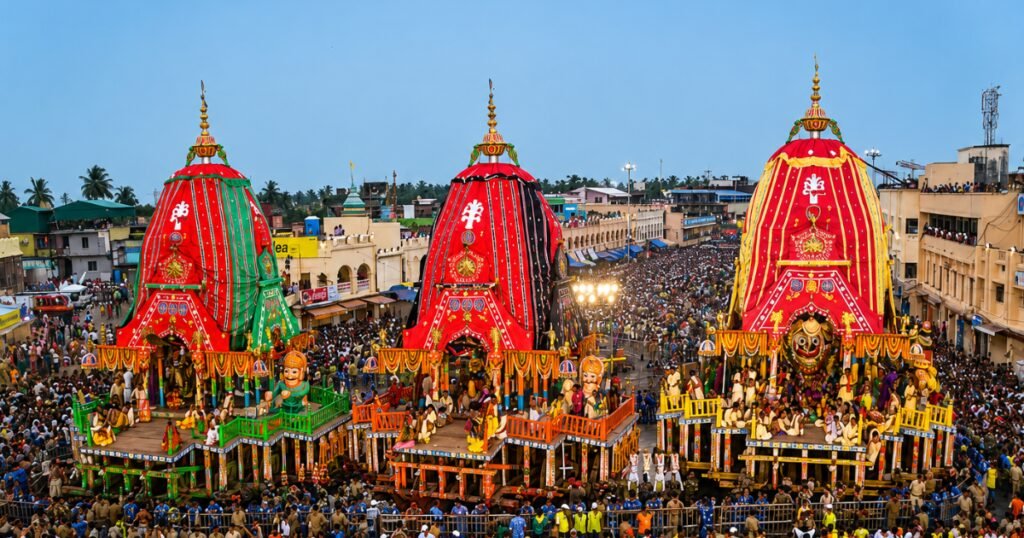
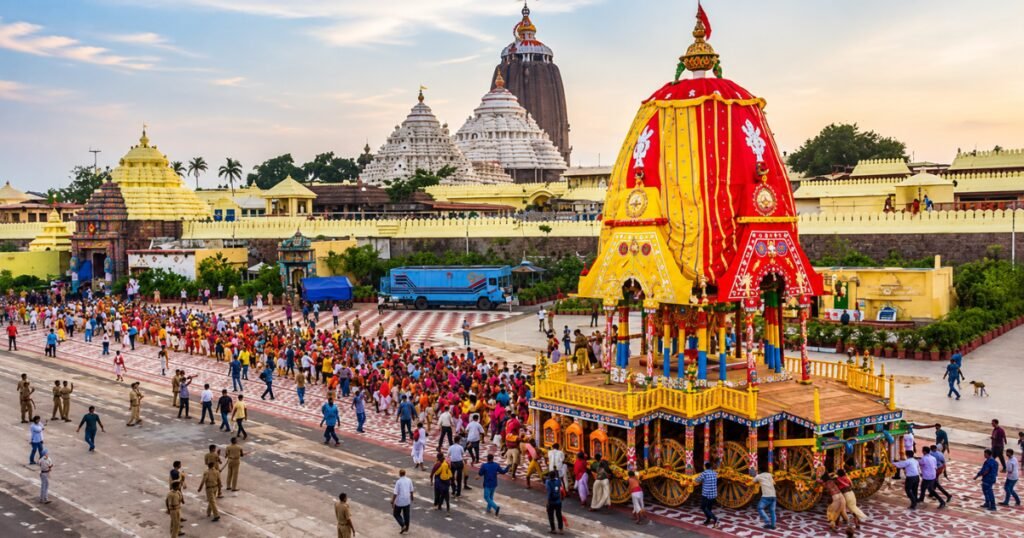
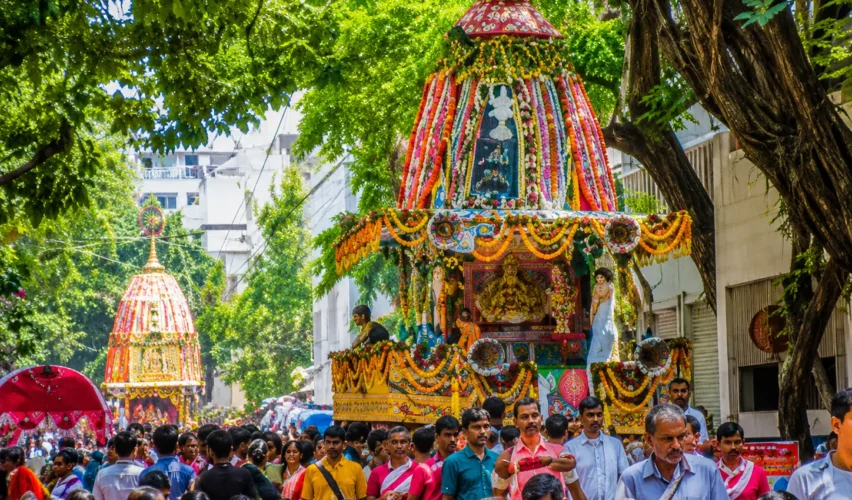
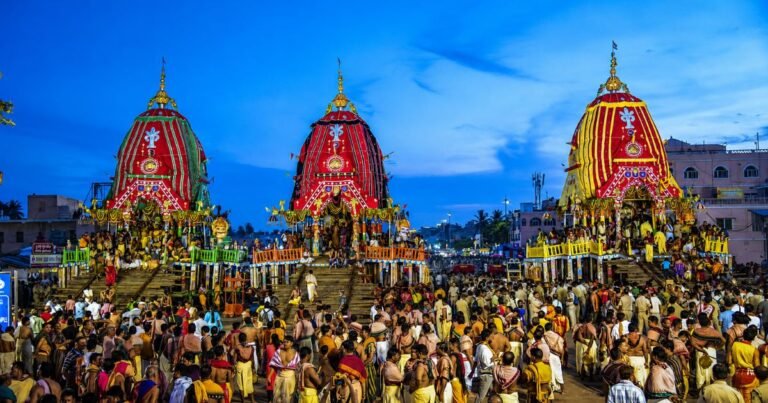
Three siblings travel together during the Lord Jagannath Rath Yatra. Lord Jagannath represents a form of Lord Krishna or Vishnu. Balabhadra, his elder brother, represents Balarama. Subhadra is their beloved younger sister. Each deity rides in a separate, freshly built wooden chariot. Skilled carpenters construct every chariot from scratch each year using sacred timber. No chariot gets reused, and no nails join its main wooden frame.
Each divine siblings have their separate chariots:
Major Rituals of Jagannath Rath Yatra
The festival cycle begins weeks before the main procession and ends days after it. Each of these Rath Yatra rituals carries its own deep meaning.
On the full moon of Jyeshtha, priests bathe the deities with 108 pots of water. In 2026, this Snana Yatra falls on Monday, June 29. The deities then symbolically catch a fever and enter a rest period called Anavasara. This seclusion lasts close to two weeks, with no public darshan allowed. Temple painters use this private window to refresh and repaint the deities.
2. Pahandi and Chhera Pahara
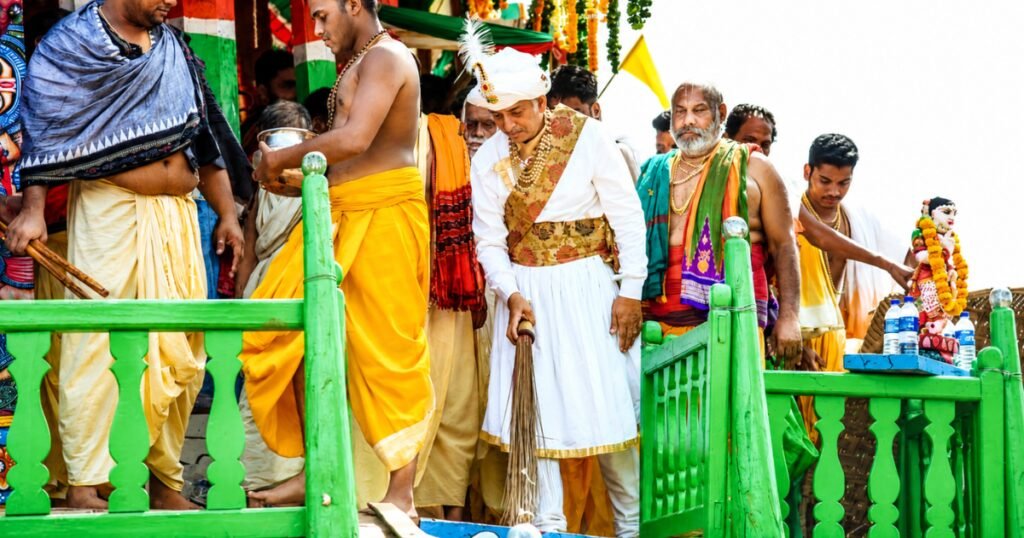
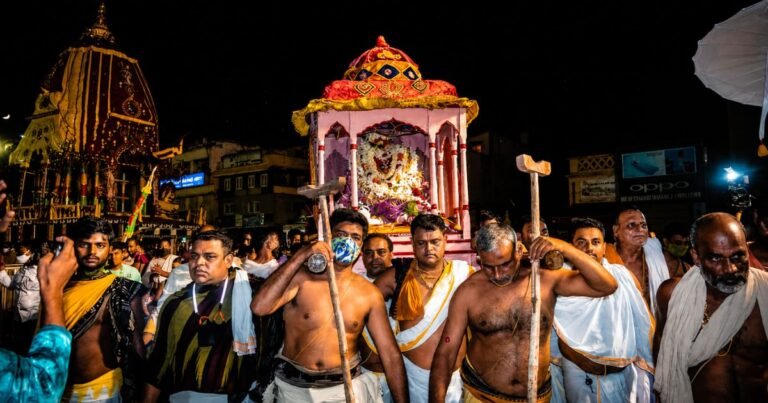
On the main day, priests carry the deities to their chariots in a swaying style called Pahandi. The Gajapati King of Puri then sweeps each chariot platform with a golden broom. This ritual, called Chhera Pahara, shows that no one stands above another before God.
3. Chariot Pulling
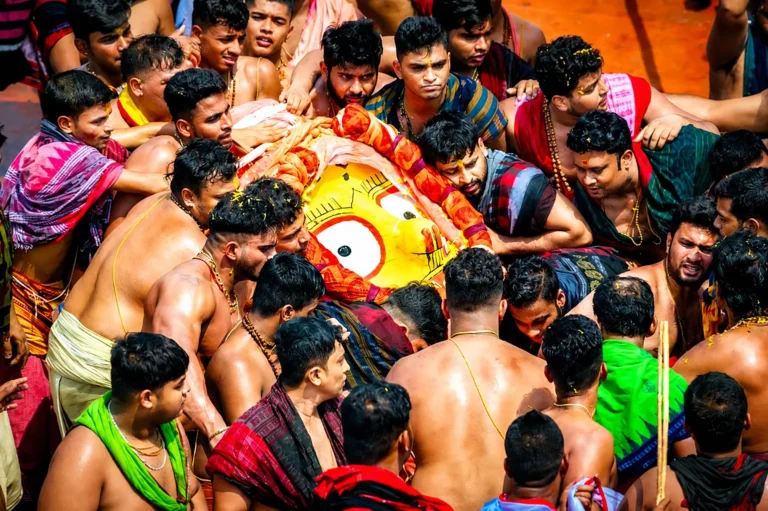
Devotees grab the thick ropes and pull the chariots along Bada Danda, the Grand Road. Balabhadra’s chariot moves first, followed by Subhadra’s chariot, then finally Lord Jagannath’s.
While Jagannath stays away, Goddess Lakshmi grows restless back at the main temple. On the fifth day, she visits Gundicha Temple and finds the doors shut. Priests reenact her symbolic anger every year with great care. In 2026, Hera Panchami falls around Monday, July 20.
5. Bahuda Yatra, Suna Besha, and Niladri Bije
After resting at Gundicha Temple for about a week, the deities begin their return trip. This Bahuda Yatra falls on Friday, July 24, 2026. The chariots pause along the way at Mausi Maa Temple for a sweet offering. A day later, priests dressed the deities in pure gold for Suna Besha, on July 25. Niladri Bije then closes the entire cycle around Monday, July 27, when the deities finally return to their sanctum.
Important Note: Exact ritual timings may shift slightly based on final temple panchang calculations. Confirm with SJTA closer to the festival.
What is the Spiritual Meaning of Pulling the Rath?
An old Vaishnava verse declares that simply seeing the Lord on his chariot frees a soul from rebirth. Devotees extend this belief to the simple act of touching the chariot rope. Pulling the rope, even for a moment, is believed to wash away accumulated sins. This belief explains why millions push toward the ropes despite intense summer heat and crowding. The act needs no caste, wealth, or social rank, only sincere intention.
Spiritual and Religious Significance
The Jagannath Rath Yatra significance goes far beyond a colorful procession. Normally, only Hindus may enter the temple’s inner sanctum in Puri. During Rath Yatra, the deities step outside for absolutely everyone to see. Scriptures state that simply watching the chariots brings lasting spiritual merit.
The festival also carries a strong message of equality among all people. Puri’s standing as one of India’s four Char Dham pilgrimage sites adds another layer of importance. Many pilgrims combine a Rath Yatra visit with their broader Char Dham journey across India.
How Rath Yatra Is Celebrated Across India?
Puri remains the heart of the Rath Yatra festival, but it is far from the only city that celebrates it. Several Indian states run their own historic chariot processions, each with a distinct local identity.Below is a closer look at how Rath Yatra outside of Puri is Celebrated.
Ahmedabad, Gujarat
- Mahant Narsinhdasji Maharaj started this tradition in 1878 at the Jagannath Temple in Jamalpur.
- The chariots travel a long route of roughly 14 to 18 kilometers through Ahmedabad’s old city.
- The Gujarat Chief Minister performs the Pahind Vidhi, sweeping the road before the chariots move.
- Decorated elephants and trucks carrying religious floats lead the entire procession.
- Locals host a grand feast at Saraspur, marking the deities’ symbolic visit to their maternal home.
Mahesh, West Bengal
- This Rath Yatra began around 1396, making it one of India’s oldest chariot festivals.
- Saint Dhrubananda Brahmachari first carved and installed the deities at this site.
- The Mahesh Jagannath Temple ranks among the largest Jagannath temples outside Odisha.
- Devotees from across Bengal still gather each year for this riverside celebration.
Baripada, Odisha (Dwitiya Srikhetra)
- King Baidyanath Bhanj of Mayurbhanj built this temple around 1575.
- Locals call Baripada “Dwitiya Srikhetra,” meaning the second sacred Jagannath site after Puri.
- Only women pull Goddess Subhadra’s chariot here, a tradition that began in 1975.
- This unique rule started during the International Women’s Year, symbolizing women’s empowerment.
- The Baripada festival runs about a day after the main Rath Yatra in Puri.
Kolkata, West Bengal (ISKCON)
- ISKCON organizes one of the largest Rath Yatra processions outside Odisha.
- Thousands of devotees join the chanting crowd through Kolkata’s busy streets.
- The event mirrors Puri’s core rituals while drawing its own dedicated local following.
Together, these regional festivals show how deeply Jagannath culture has spread across India. Each city adds its own local color to one shared, centuries old tradition.
What are the Scriptures That Mention Jagannath Rath Yatra?
Several ancient Hindu texts describe this festival in real detail. The Skanda Purana contains an entire section called the Purushottama Kshetra Mahatmya. This portion narrates King Indradyumna’s search and dedicates full chapters to the Jagannath Ratha Yatra itself.
The Brahma Purana, Padma Purana, and Narada Purana also mention the festival and its rituals. The Kapila Samhita adds further detail specific to Puri’s temple traditions.
Later, the Chaitanya Charitamrita describes how the saint Chaitanya Mahaprabhu personally took part in this yatra during his years at Puri.
Rath Yatra 2025 Recap: What Happened Last Year?
The Jagannath Rath Yatra 2025 took place on Friday, June 27, 2025, in Puri, with the Bahuda Yatra following on July 5, 2025. Millions gathered on Bada Danda for what became one of the most discussed Rath Yatras in recent years, for both its devotional power and the sobering safety lesson it left behind.
National Leaders Extended Greetings
President Droupadi Murmu and Prime Minister Narendra Modi greeted the country on the occasion and prayed for happiness, peace, and prosperity for all. The President noted that “millions of devotees attain a divine experience by having the darshan of the revered deities seated on the chariot” and that “the human-like divine play of these godly forms is the speciality of the Rath Yatra.”
Union Home Minister Amit Shah offered prayers at the over 400-year-old Jagannath Temple in Ahmedabad at 4 AM on the day of the festival. He stated that the Rath Yatra “teaches us that moving forward while cherishing devotion, culture, and heritage is at the core of our being.”
Source: Zee Business / DD News, June 27, 2025
Watch the 2025 Jagannath Rath Yatra Here
The full live coverage of Rath Yatra 2025 was broadcast by Doordarshan National is available on YouTube.
Lesser-Known Interesting Facts About Puri Jagannath Rath Yatra
1. Strictly Metal-Free Construction
Hereditary carpenter families build each chariot fresh using sacred woods like phassi and dhausa. No nails, screws, or metal pins join the wooden frame together. Builders rely entirely on traditional joinery passed down through generations.
2. The Secret Transfer of Brahma Padartha
During Nabakalebara, priests secretly transfer a sacred element called Brahma Padartha from the old idols to the new ones. The ritual takes place at night under complete secrecy. Only a handful of hereditary priests participate, and the object has never been publicly identified.
3. The Juggernaut Word Connection
The English word “juggernaut” comes directly from Jagannath’s name. Colonial era writers coined this term after watching his massive, unstoppable chariot. Many of their self sacrifice stories under the wheels are now considered exaggerated.
4. Unfinished By Design
Lord Jagannath’s hands and feet appear as simple rounded stumps. This traces back to Vishwakarma’s interrupted carving, broken off before completion. Devotees see this incomplete form as a sign of divine mystery, not flaw.
5. A Body That Gets Replaced
Unlike most idols, Jagannath’s wooden form does not last forever. Priests fully replace it through Nabakalebara, once every 8 to 19 years. The last replacement happened in 2015, with the next expected near 2034.
6. The 32-Year Disruption
Invading armies attacked the temple multiple times between 1568 and 1735. Priests hid the deities each time to protect them from destruction. Across these separate invasions, the Rath Yatra could not run for a combined 32 years.
7. Goddess Lakshmi’s Sweet Demand
At Niladri Bije, Goddess Lakshmi locks a temple gate against her husband. Lord Jagannath must offer her a sweet called Rasagola to enter again. Odisha and West Bengal still debate which state truly invented this beloved sweet.
8. Every Chariot Has Its Own Identity
The three Rath Yatra chariots are much more than beautifully crafted wooden structures. Each chariot has its own name, color, guardian deity, charioteer, flag, horses, and specific dimensions. Lord Jagannath rides Nandighosha, Balabhadra rides Taladhwaja, and Subhadra rides Darpadalana.
Every year, temple artisans follow centuries-old traditions to recreate each chariot with the same sacred design and symbolism, making them an essential part of the festival rather than simple means of transport.
9. The Temple Kitchen Has a Fascinating Cooking Tradition
The Jagannath Temple kitchen is considered one of the largest temple kitchens in the world. Hundreds of cooks prepare Mahaprasad every day using traditional clay pots placed one above another over wood-fired stoves. According to temple tradition, the food in the topmost pot cooks before the pots below it, a phenomenon that continues to amaze devotees and visitors alike.
While many people see this as a divine blessing, others have suggested that the unique cooking method and steam circulation may play a role. Regardless of the explanation, this centuries-old tradition remains one of the most remarkable features of the Jagannath Temple.
10. The Chariot That Refuses to Move
Devotees often say Lord Jagannath’s chariot resists movement at first. Thousands push together, yet the giant wheels stay still for a while. Believers call this moment a test of collective devotion and patience.
11. Even the King Becomes a Servant
During the sacred ritual of Chhera Pahanra, the Gajapati King of Puri sets aside his royal status and sweeps the chariots with a golden broom. The ritual symbolizes that before Lord Jagannath, everyone is equal. Even a king serves the Lord with humility.
12. A Sweet Stop at Mausi Maa Temple
During the Bahuda Yatra, Lord Jagannath’s chariot stops at the Mausi Maa Temple before returning to the Jagannath Temple. Here, the Lord is traditionally offered Poda Pitha, a baked rice cake believed to be one of His favorite foods. This ritual is one of the most cherished traditions of the return journey.
13. The Lord Wears Many Divine Forms
Lord Jagannath appears in different Beshas, or sacred attires, throughout the year. Each Besha marks a specific festival or religious occasion and carries its own spiritual meaning. Among them, Suna Besha, where the deities are adorned with gold ornaments, is the most famous.
14. Mahaprasad Never Falls Short
According to temple tradition, Mahaprasad at the Jagannath Temple never remains insufficient or goes to waste, regardless of the number of devotees. Many consider this a divine blessing of Lord Jagannath. The temple kitchen, one of the largest in the world, has followed this sacred tradition for centuries.
15. Built From Scratch Every Year
The three Rath Yatra chariots are rebuilt every year using sacred woods such as phassi, dhausa, and asan, sourced from designated forests in Odisha. Temple artisans follow centuries-old measurements and construction guidelines preserved in traditional texts and hereditary practices. Once the festival ends, the chariots are dismantled and never reused, making every Rath Yatra a unique expression of devotion.
Why Millions Travel to Puri for Jagannath Rath Yatra Every Year?
Crowds on Bada Danda often cross several lakh people in a single day. A few clear reasons keep pulling devotees back to Puri year after year.
- Rare Open Access: The temple sanctum normally stays closed to non-Hindus and casual visitors. During Rath Yatra, every devotee can view the deities freely outside.
- Belief in Spiritual Merit: Scriptures state that watching the chariots brings lasting spiritual benefit. Many devotees travel specifically to earn this rare blessing.
- A Once a Year Spectacle: Three giant hand built chariots move together only on this single day. No other Hindu festival recreates this exact scale and structure.
- Family and Generational Tradition: Many families have visited Puri for generations during this festival. Parents often bring children to continue this shared devotional habit.
- Part of the Char Dham Journey: Puri stands among India’s four major Char Dham pilgrimage sites. Pilgrims often plan their visit around this specific festival window.
- A Living Cultural Experience: Visitors witness centuries old rituals, chants, and craftsmanship in one place. This blend of faith and heritage draws historians, photographers, and travelers alike.
Darshan Tips for Jagannath Rath Yatra
Good planning makes a real difference during this massive, crowded & magnificent festival.
How to Arrive in Puri?
- The nearest airport is Biju Patnaik International Airport in Bhubaneswar, about 60 kilometers away.
- Puri has its own railway station, well connected to Delhi, Mumbai, Kolkata, and Chennai.
- Buses and taxis connect Bhubaneswar to Puri in roughly two hours.
When to Arrive?
- Reach Puri at least one to two days before July 16 for a smooth start.
- Arrive on Bada Danda by 5 or 6 AM to secure a good viewing spot.
- Entry to watch the procession on Grand Road remains completely free for everyone.
What to Carry?
- Carry a water bottle, since July brings hot and humid weather to Odisha.
- Pack a small first aid kit along with any personal medicines you need.
- Bring a valid ID proof, since police checkpoints are common during the festival.
- Wear light cotton clothing and comfortable shoes for long hours of standing.
Where to Stay?
- Book hotels or guest houses two to three months ahead of the festival.
- Rooms near the temple or Grand Road fill up the fastest each year.
- Bhubaneswar makes a good backup base if Puri hotels are fully booked.
- Always confirm travel and accommodation details closer to the date through official Odisha Tourism channels.
Rough Cost Estimate for Jagannath Rath Yatra 2026
Book train tickets at least three to four months in advance. Indian Railways runs special Rath Yatra trains, but general quota fills extremely fast for July 16.
Realistic Expectation: Hotel prices in Puri during Rath Yatra are significantly higher than the off-season average. Book three to four months in advance without exception.
Daily Food Budget
Budget ₹200 to ₹400 per person per day for local dhabas and street food. Mid-range restaurant meals run ₹300 to ₹600 per meal. Mahaprasad during the days it is distributed is available at nominal cost at the temple. Total daily food spend for a budget traveller: ₹300 to ₹600. For a comfortable traveller: ₹600 to ₹1,200.
Total Estimated Trip Cost (Per Person, 4 Days)
Mahaprasad: The Sacred Offering
Mahaprasad is a core part of Jagannath culture in Puri. Temple cooks prepare this food inside the temple kitchen using stacked clay pots. They place up to seven pots over a single wood fire at once. Surprisingly, the topmost pot often cooks first because of how the heat circulates. Devotees of every background may eat this prasad side by side. The temple treats this meal as completely free from any caste distinction.
The Chappan Bhog, a spread of 56 items, forms the centrepiece of daily temple offerings. It is cooked entirely in desi ghee, without onion, garlic, or tomatoes. The menu includes nine varieties of rice, fourteen vegetable preparations, nine milk-based dishes, eleven sweets, and thirteen types of cakes and pithas.
Important Note for Rath Yatra visitors: Regular Mahaprasad distribution at the main Jagannath Temple is paused from the first day of Rath Yatra until the deities return after Bahuda Yatra. During the nine days the deities reside at Gundicha Temple, the Gundicha Temple kitchen serves its own Abhada in smaller quantities. Dry Mahaprasad such as Khaja remains available at temple shops throughout the festival.
Food Guide for Jagannath Rath Yatra 2026: What to Eat and What to Avoid?
Food is inseparable from this festival. Puri during Jagannath Rath Yatra 2026 offers some of the most sacred and most delicious eating experiences in India, alongside a few genuine hygiene risks. Knowing both sides keeps your trip healthy and memorable.
Must-Try Foods in Puri During Rath Yatra
- Khaja: A crispy, layered sweet made from maida, oil, and sugar, and one of Lord Jagannath’s favourite offerings. Dry Khaja travels well and is the most popular item for devotees to carry home. Available at temple shops throughout the festival period.
- Poda Pitha: A baked rice cake made with jaggery, coconut, urad dal, and cardamom. Lord Jagannath’s chariot stops at Mausi Maa Temple during the Bahuda Yatra specifically because this sweet is offered there.
- Chhena Poda: Odisha’s most celebrated sweet, a caramelised baked cottage cheese dessert made with jaggery. Available at sweet shops across Puri town.
- Dalma: A wholesome lentil stew slow-cooked with vegetables and mildly spiced with ginger and panch phoran. A staple of the Odia thali and available at most local restaurants.
- Malpua: Small deep-fried fritters made with mashed banana, flour, cardamom, milk, and fennel, then dipped in sugar syrup. One of the items in the Chappan Bhog and widely available from festival food stalls.
- Rasabali: Deep-fried pressed cottage cheese soaked in thickened sweetened milk. A temple offering and a Puri speciality worth seeking out.
- Odia Thali at OTDC Panthanivas: The government hotel near the beach serves a predictable, hygienic fixed-price Odia thali with rice, dal, sabzi, and sweet during festival days.
What to Avoid?
- Uncooked street food from unknown stalls
- Tap water or ice from street vendors.
- Non-vegetarian food near the temple precinct and Bada Danda.
- Eating while standing in the main procession crowd.
- Skipping meals entirely.
Where to Eat in Puri During Jagannath Rath Yatra 2026?
Ashram dining halls near the temple area serve simple vegetarian meals at nominal prices and are one of the most reliable options during the festival. The OTDC Panthanivas government hotel offers hygienic, quality-consistent Odia food at fixed prices. Local dhabas on Marine Parade Road and CT Road serve fresh coastal food at reasonable rates and stay open through festival hours. Budget around ₹150 to ₹300 per meal at local dhabas, and ₹250 to ₹400 at mid-range restaurants.
Can Non-Hindus Attend Rath Yatra in Puri?
Yes, anyone can watch and join the outdoor procession on Bada Danda. However, the temple sanctum itself remains restricted to Hindus only. But once the deities sit on their chariots, the usual rules change completely. People of every religion and nationality may view the deities openly. Many travelers also join in pulling the heavy ropes alongside local devotees. This open access reflects the very heart of the Jagannath Yatra 2026 message.
Is Registration Required for Jagannath Rath Yatra Darshan?
No prior registration is required to watch the Jagannath Rath Yatra 2026 procession on Bada Danda. Entry is completely free and open to all. There is no Aadhar registration, no online portal, and no queue slip system for the outdoor chariot procession.
You simply arrive, find a position along the Grand Road, and watch. No ticket, no app, no QR code. This is one of the few festivals of this scale in India that remains genuinely open and unregistered.
What You Do Need to Carry?
While no registration is required, carry a valid government-issued photo ID such as an Aadhar card, Voter ID, or passport. Police checkpoints are common during the festival, particularly near the temple precincts and at entry points to Bada Danda. Having ID accessible speeds up your movement considerably.
If you plan to enter the Jagannath Temple itself on any surrounding festival day, the standard temple entry rules apply. Only Hindus may enter the sanctum, and standard queue systems operate throughout the festival period.
Cordon Passes for Close Chariot Access
The Puri District Administration issues a limited number of cordon passes each year for positions very close to the chariots on Bada Danda. These are distributed through official channels by the Shree Jagannath Temple Administration.
If you require a cordon pass for media or a special reason, contact the SJTA office in Puri directly before the festival. Do not approach third-party agents claiming to offer these passes. Unofficial crowding near the chariots contributed directly to the 2025 incident.
Important: Confirm any registration requirements or pass procedures with SJTA closer to July 2026, as new crowd management rules may be introduced following the 2025 safety review.
Photography Rules During Jagannath Rath Yatra Darshan
Knowing what you can and cannot photograph saves you from an embarrassing or problematic situation on the day.
Inside the Jagannath Temple: No Photography
No photography of any kind is permitted inside the Jagannath Temple. This applies to cameras, DSLRs, smartphones or even devices such as meta glasses. The SJTA provides free shoe and mobile storage counters near the Lion’s Gate and near the temple office. Use them before you enter. Breaking this rule may result in being turned away from the entry gate.
On Bada Danda During the Procession: Photography Welcome
The outdoor chariot procession along the Grand Road is a public event and fully open to photography and video recording. Millions of devotees and media crews capture the chariots, rituals, and crowd every year without any restriction. The outdoor darshan of the deities on their chariots may also be photographed freely.
Strictly Off-Limits Regardless of Location
- Climbing the chariots is strictly prohibited for all non-servitors, regardless of intent.
- Drone flying without prior government approval is banned in the festival security zone during the event.
- Flash photography near the deities during the Pahandi procession is considered disrespectful by local tradition.
Practical Photography Tips
- Arrive by 5 AM and claim your position before the crowd builds. The midpoint of Bada Danda, roughly between the two temples, gives the best view of all three chariots moving together.
- Carry a rain cover for your equipment. July in Puri brings sudden monsoon showers. Keep gear inside a dry bag when not shooting.
- A wide-angle lens works best for crowd and procession shots. A 70–200mm zoom handles chariot details from a safe distance without pushing into the front rows.
- Rooftop viewing from guesthouses along the route, when available, provides the best elevated shots of the full procession.
Escape Routes and Safety Measures: What You Must Know Before You Go
This section exists because of something that actually happened at the 2025 Rath Yatra. It is not meant to discourage you. Millions attend every year safely. But knowing how the crowd moves and where the pressure points are can genuinely protect you and your family.
What happened in 2025: A stampede near the Shree Gundicha Temple on June 29, 2025 claimed three lives and injured over 50 devotees. The crush occurred in the Saradhabali area in the early morning hours, when two trucks carrying ritual materials entered an already overcrowded zone. Lack of barricades near the wooden charamal (ladders fixed to the chariots) was identified as a contributing factor.
What Odisha Has Changed for 2026?
The state government responded with one of the most comprehensive safety overhauls in the festival’s recent history. For Jagannath Rath Yatra 2026, Odisha has announced the deployment of nearly 7,000 police personnel and 475 CCTV cameras across Puri. An NSG-trained Special Operation Group and K-9 canine units will also be deployed. An integrated command and control centre will coordinate real-time crowd management across the entire festival route.
Separate and safer arrangements have been made specifically for the charamal, the large wooden ladders used near the chariots at the Gundicha Temple arrival point, which was the site of the 2025 incident. Eight additional parking areas have been identified to reduce vehicle entry into the festival zone. Thirty first-aid centres and two casualty centres will operate along Bada Danda, supported by a fleet of ambulances throughout the event.
Sources: OrissaPost / Awaz The Voice / The Print, May to June 202
The Highest-Risk Zones to Know
Near the Gundicha Temple gate and Saradhabali area during chariot arrival. This stretch sees the highest compression when all three chariots converge at the Gundicha entrance. Exercise maximum caution in these final 200 metres of the route.
The Lion’s Gate area of the Jagannath Temple at the start of the procession during the Pahandi ritual. Crowds compress from all directions at this point in the early morning.
Early morning rush hours between 3 AM and 7 AM near both temples. Devotees arriving before dawn to secure positions create high-density pockets before any official crowd management is active.
Practical Safety Rules for Every Visitor
- Choose your position before the crowd arrives. Reach Bada Danda by 5 AM to 6 AM. The road runs straight for roughly three kilometres. Find a spot with clear sight lines in both directions so you can step back if the crowd surges forward.
- Avoid the front rows directly beside the chariots. A position 10 to 15 metres back from the chariot path gives a full view with significantly more breathing room. The chariots are 45 feet tall. You will see them clearly from this distance.
- Agree on a meeting point before entering any crowd. Mobile networks become severely congested during peak crowd hours. Decide on a fixed landmark, such as a numbered temple gate or a hotel entrance, before your group separates.
- Know the exit lanes. Bada Danda has cross-lanes at regular intervals leading away from the main road. When you feel discomfort, move laterally toward a cross-lane rather than trying to push backward through the main crowd.
- Leave the area promptly if the chariots stop moving for an extended period. When movement halts unexpectedly, crowds compress from behind. This is exactly when crushing risk rises. Move to a side lane rather than waiting in the central zone.
- Follow police instructions immediately and without argument. Crowd management directions during this festival carry real authority and exist specifically to prevent a repeat of 2025.
- Do not attempt to access the Saradhabali area or the Gundicha Temple zone early in the morning without confirmation of police-supervised access routes being operational.
Guidelines for Elderly Devotees During Jagannath Rath Yatra: Accessibility at Rath Yatra 2026
Attending Rath Yatra 2026 with elderly family members is completely possible with the right preparation. Puri’s temple administration and district authorities have introduced specific provisions for senior and differently-abled devotees in recent years.
Dedicated Queue Lanes
The Shree Jagannath Temple Administration has implemented a six-lane barricade system within the Natya Mandap at the Jagannath Temple. The first lane is reserved for differently-abled devotees, the second for women and children, and the third specifically for elderly devotees. These groups exit through a separate Ghanti Dwara gate, reducing mixing with the main crowd flow on exit.
Ramps and Viewing Platforms
Ramps have been constructed near the Bahara Katha area of the Jagannath Temple to allow devotees with limited mobility to get a clear view of the sanctum sanctorum from the Natya Mandap without entering the main crowd zone. These ramps are accessible year-round and are particularly useful during the post-Bahuda Yatra darshan days when crowd density is lower.
Wheelchair Access: What to Realistically Expect
Wheelchair access inside the ancient temple structure itself remains limited due to the building’s historic construction and the narrow stone pathways between the main gates and the sanctum. However, the outdoor chariot procession on Bada Danda is the most accessible form of darshan available at any point during the festival.
The wide, flat Grand Road, the 45-foot-tall chariots visible from a distance, and the open-air setting mean elderly or mobility-limited devotees can have a full and meaningful darshan experience without entering the temple at all.
For wheelchair users attending the procession, a position along the outer edge of Bada Danda rather than the central crowd zone is the practical choice. Arrive early to be positioned before crowds make navigation difficult.
Medical Support Along the Route
For Rath Yatra 2026, the Odisha Health Department has announced 30 first-aid centres and two casualty centres along Bada Danda, supported by additional hospital beds at the District Headquarters Hospital. A fleet of ambulances will operate throughout the festival. Identify the nearest first-aid station to your chosen viewing position before the procession begins.
Practical Tips for Elderly Travellers
- Travel with at least one accompanying adult who can manage logistics while the elderly devotee focuses on darshan.
- Book accommodation as close to Bada Danda as possible to minimise walking distance on the main day.
- Pre-arrange a shared auto or cycle rickshaw to the nearest access point on the morning of the yatra, as private vehicles cannot enter the procession route on the day.
- Carry all regular medications, an ORS packet for heat exposure, and a lightweight folding stool if long periods of standing are difficult.
- Arrive no later than 6 AM to secure a comfortable viewing spot with space to sit or stand without pressure from the crowd.
Important suggestion: For devotees who genuinely cannot manage the crowd, the full Rath Yatra is broadcast live by DD Odia, DD National, and all major Odia news channels including OTV, Zee Odisha, and News18 Odia. The television coverage includes close-up darshan of the deities on their chariots and every key ritual in real time. Many devoted families watch from home or hotel and consider this a complete and spiritually valid form of darshan.
Final Thoughts
Every year, the streets of Puri remind the world of a simple truth. God does not wait for everyone to reach Him. Sometimes, He takes the first step.
That is the heart of Jagannath Rath Yatra. Lord Jagannath leaves His temple, not for a select few, but for everyone. Even if you stand among millions on Bada Danda or witness the festival from afar, His journey carries the same message: divine grace belongs to every soul.
Perhaps that is why this centuries-old tradition continues to move millions, long before the chariots begin to move.
Frequently Asked Questions about Jagannath Ratha Yatra