

History & Culture
Covers India’s civilizational journey through texts, traditions, events, and cultural practices. Focuses on context and continuity, not distorted timelines or shallow nostalgia.
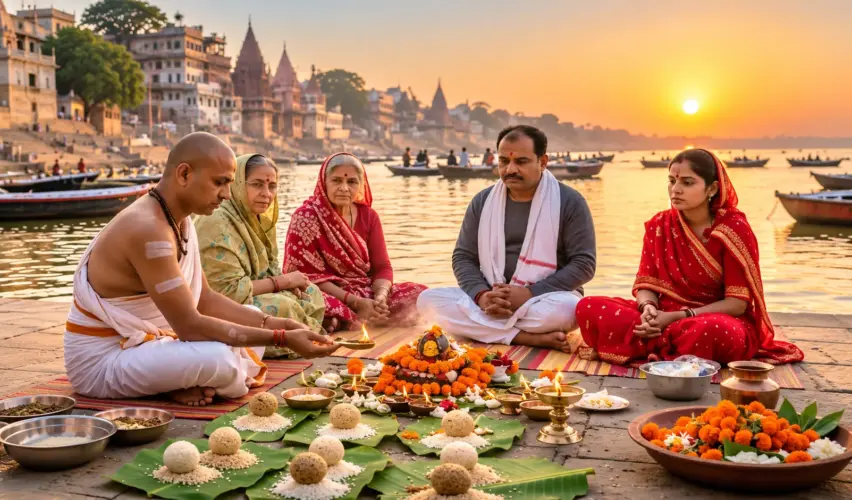
Pitru Paksha 2026: Dates, Shradh Vidhi, Rituals, Dos and Don’ts
Pitru Paksha 2026 runs from September 26 to October 10. The most important day is Sarva Pitru Amavasya on October 10, when Shradh can be performed for any ancestor, regardless of the exact date they passed away. Every year, for sixteen days, millions of Hindus pause their celebrations and turn toward their ancestors. This is …...
What is the ultimate goal of Sanatan Dharma? The Actual Purpose
Most people ask this question after a loss, a failure, or a 3 a.m. moment when nothing in life feels like enough. So here it is, stated plainly before we go anywhere else: the ultimate goal of Sanatan Dharma is Moksha, liberation of the soul from the cycle of birth and death, achieved through the …...
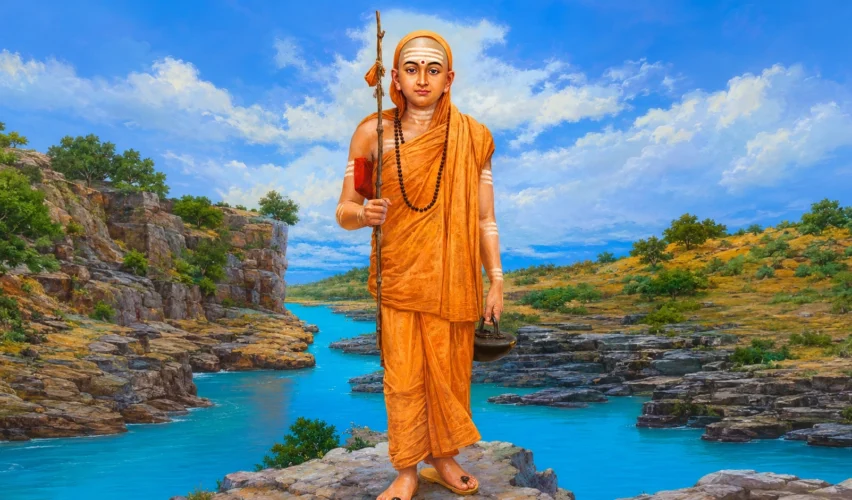
What is Advaita Vedanta? The Core Meaning of Non-Duality
Advaita Vedanta is a school of Hindu philosophy stating that the individual self, or Atman, and the ultimate reality, or Brahman, are one and the same. Advaita means “not two.” The apparent world of separate people and objects is called Maya, a dependent reality that rests on the one unchanging Brahman. Adi Shankaracharya...
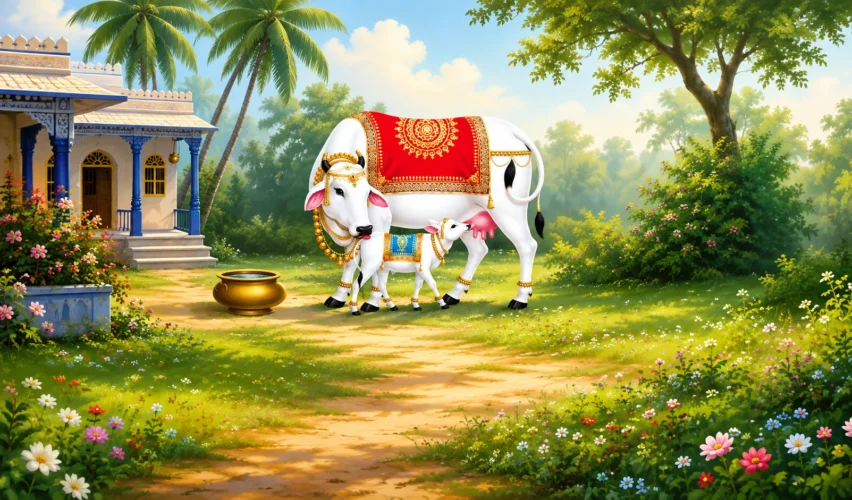
Why Are Cows Sacred in Hinduism? The Story of Gau Mata
Cows hold a protected, honored place in Hinduism for reasons that span scripture, mythology, and daily life. The Rigveda calls the cow aghnya, one that should not be killed. Puranic texts describe Surabhi, a divine cow born during the churning of the cosmic ocean. Krishna spent his childhood herding cows in Vrindavan. Her milk, ghee,...
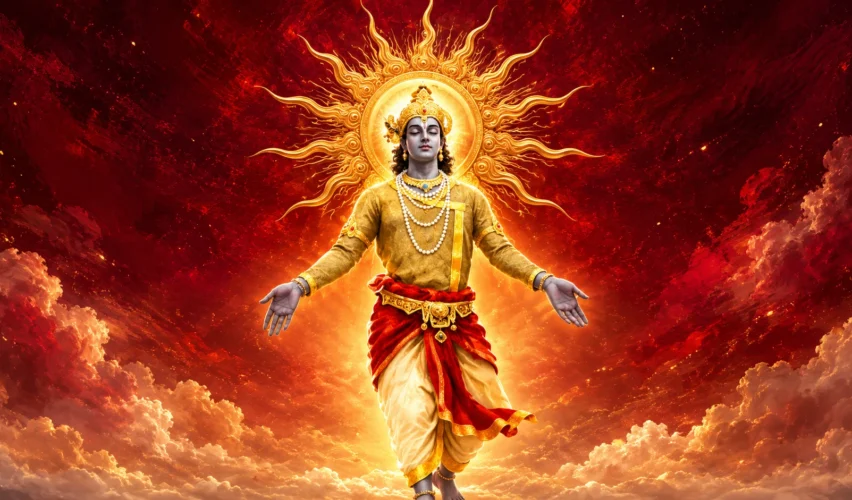
Why did Krishna not stop the Mahabharata war?
Shri Krishna knew war was likely. He had gone to Hastinapura himself to seek peace. Tradition holds he had the power to intervene further. He did not stop it by force. The Mahabharata instead shows him choosing guidance over coercion. He made repeated peace efforts. He then respected the choices Duryodhana and Arjuna each made,...
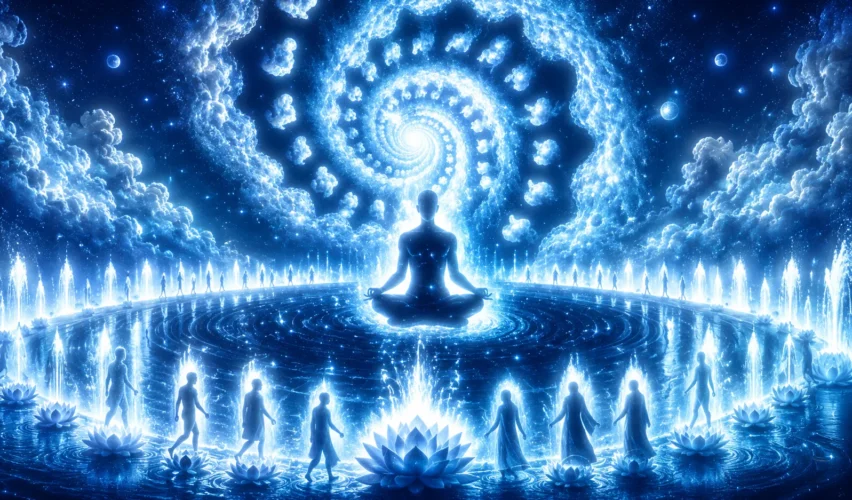
What is Moksha and How can a person attain it?
Moksha means the liberation of the soul from the endless cycle of birth and rebirth. Hindu philosophy names it as the fourth and final purushartha, the ultimate goal of human life. A soul attains moksha through good karma, self-knowledge, and devotion, and is then freed from samsara forever. Hindu scripture lists four aims of human...