Sawan 2026 starts July 30, 2026, and ends August 28, 2026, in North India. In South and West India, it runs August 13 to September 11, 2026. This gap exists because North India uses the Purnimanta lunar calendar and South/West India uses the Amanta calendar. The four Sawan Somwars in North India fall on August 3, 10, 17, and 24, 2026.
When Sawan Begins, India Finds Its Rhythm Again.
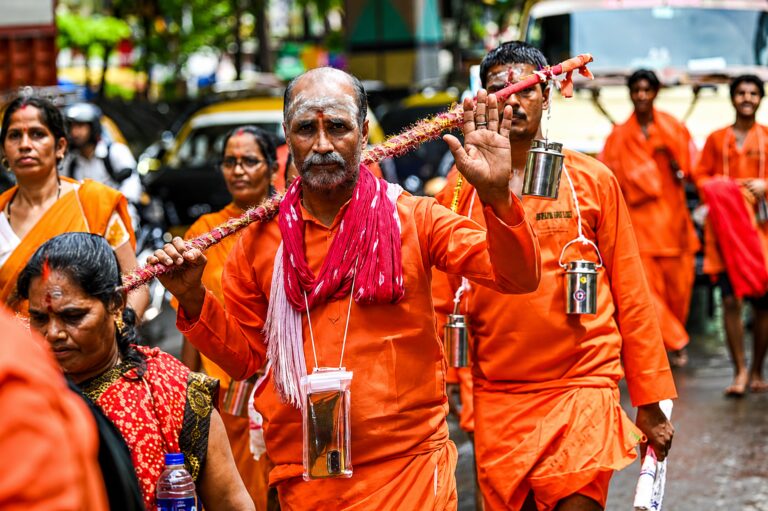
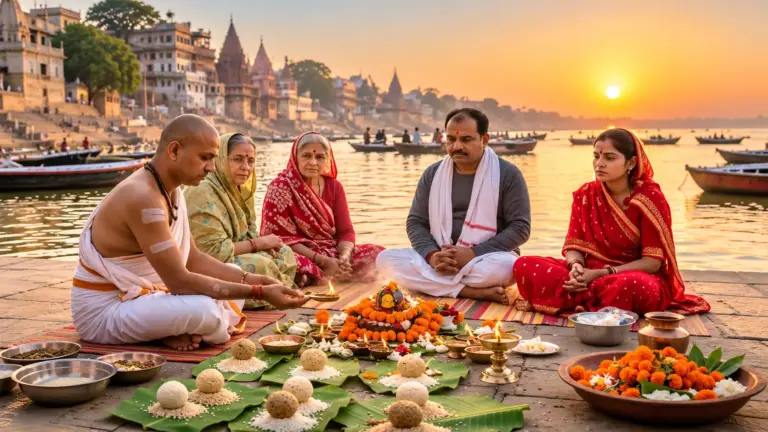
Before sunrise, temple bells begin ringing. Outside, thousands of Kanwariyas walk barefoot, Ganga water swaying gently on their shoulders. Inside homes, someone washes Bilva leaves while another quietly chants Om Namah Shivaya. Across India, millions begin the same month with one prayer.
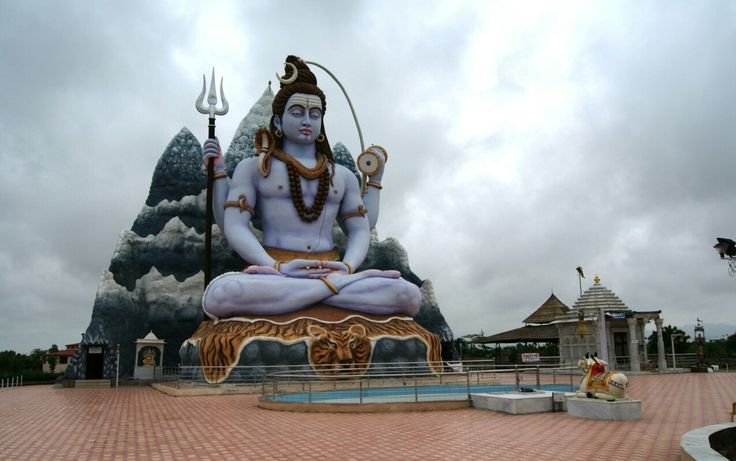
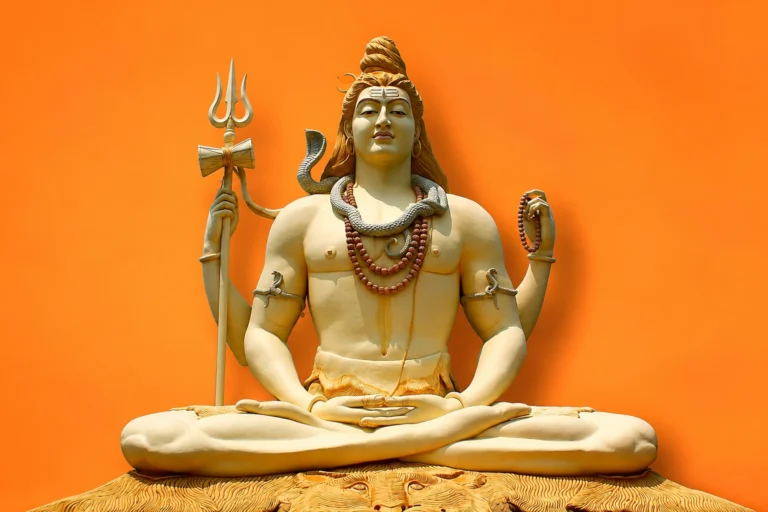
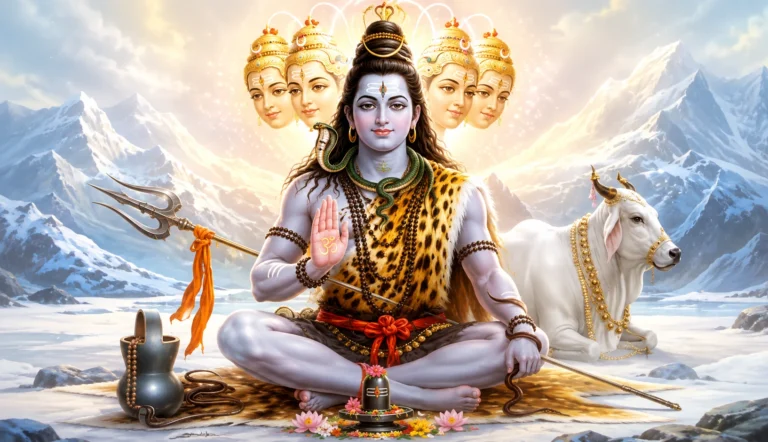
This is Sawan, the month Hindus set aside for devo ke dev, Mahadev, Lord Shiva. This blog gives you the verified Sawan 2026 dates, the full Somwar Vrat vidhi and samagri list, fasting rules, the Kanwar Yatra, and the festivals that fall this year, written in plain language and checked against Panchang sources.
Key Takeaways:
- Sawan 2026 runs July 30 to August 28 in North India, and August 13 to September 11 in South and West India.
- There are 4 Sawan Somwars in North India: August 3, 10, 17, 24.
- Sawan Shivratri 2026 falls on August 11.
- Nag Panchami and the 3rd Sawan Somwar fall on the same day this year, August 17.
- The Kanwar Yatra runs the full month and peaks around August 9 to 11.
- The core practice is the Somwar Vrat: a Monday fast broken only after evening Shiva puja.
What is Sawan?
Sawan, also called Shravan, is the fifth month of the Hindu lunar calendar and the month most dedicated to Lord Shiva. It falls each year across July and August, as the Sun moves into Leo (Simha Rashi). The month takes its name from the Shravana Nakshatra, the star that governs its full moon.
Did You Know?
Shravana is one of 27 lunar constellations (Nakshatras) used in Vedic astronomy, the 22nd in the traditional sequence. The month is named for the full moon that occurs near this constellation, which is why the same month is called both Sawan and Shravan depending on the region.
Sawan also opens Chaturmaas, a four-month period of restraint during which many Hindu families postpone weddings and other major life events. Devotees see the monsoon rain that arrives with Sawan as nature’s own Abhishek, the sky pouring water over the earth, the same act devotees perform on a Shivling all month.
Sawan 2026 Dates
Sawan 2026 starts July 30 in North India and August 13 in South and West India, a two-week gap caused by two different lunar calendar systems.
North India (Purnimanta Calendar)
Uttar Pradesh, Bihar, Rajasthan, Madhya Pradesh, Punjab, Himachal Pradesh, Uttarakhand, and Delhi follow the Purnimanta calendar. Here, Sawan 2026 runs July 30 to August 28, 2026, a full 30-day month.
South and West India (Amanta Calendar)
Maharashtra, Gujarat, Karnataka, Andhra Pradesh, Telangana, and Tamil Nadu follow the Amanta calendar. Here, Shravan Maas 2026 runs August 13 to September 11, 2026.
Why Does the Two-Week Gap Exist?
North India’s Purnimanta calendar ends a lunar month on the full moon (Purnima). South and West India’s Amanta calendar ends it on the new moon (Amavasya). Neither is more “correct”. They are simply two different counting systems. Follow whichever convention your family or local temple uses.
Sawan 2026 Calendar, Every Sawan Tithi and Festival
This table lists every major tithi, vrat, and festival inside Sawan 2026, North Indian calendar.
Note: 2026 brings a rare overlap. Nag Panchami and the 3rd Sawan Somwar fall on the same day, August 17. Many astrologers treat this as an especially strong day for Rahu-Ketu and Kaal Sarp Dosh remedies, since serpent worship and Shiva worship align on one tithi.
Why Is Sawan Dedicated to Lord Shiva?
Sawan is dedicated to Shiva because he drank a deadly poison (Halahal) during Samudra Manthan to save the universe, and that event is placed within this month.
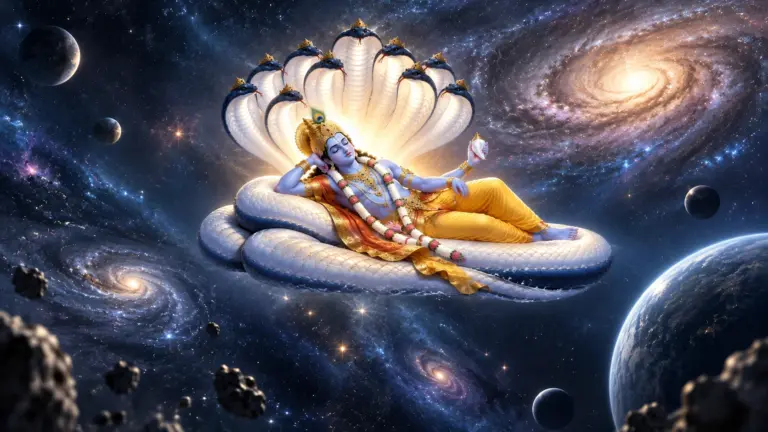
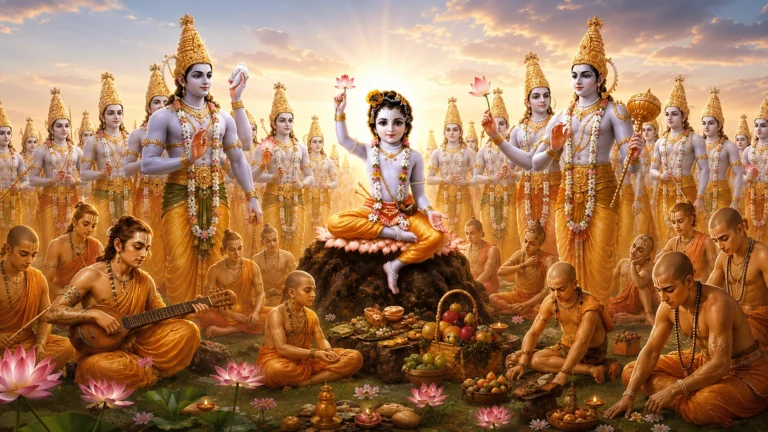
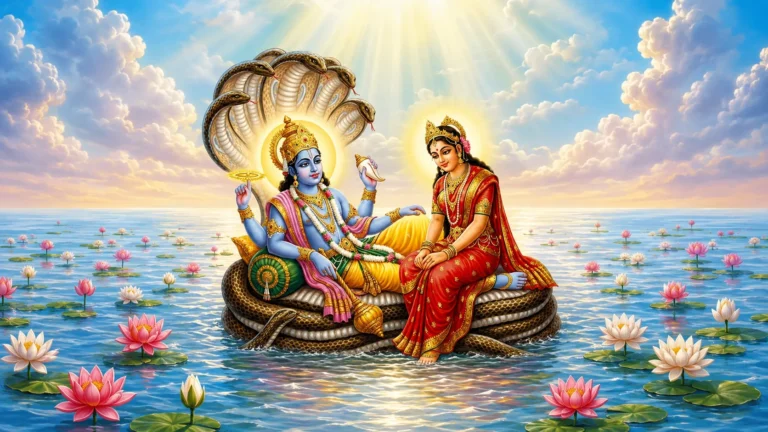
Picture the scene tradition describes. The Devas and Asuras stand on opposite banks of the cosmic ocean, pulling the serpent Vasuki back and forth around Mount Mandara like a great churning rope. Foam rises. Treasures emerge one by one: Goddess Lakshmi, the celestial elephant Airavata, the physician Dhanvantari carrying the pot of Amrit.
Then, without warning, a dark cloud of Halahal poison rises from the depths, thick enough to choke the sky itself. The Devas panic. The Asuras retreat. Only Shiva steps forward. He gathers the poison and swallows it whole, then holds it in his throat so it travels no further into his body. His throat turns blue. The universe is saved by a single, silent act of restraint, which is how he earned the name Neelkanth, “the blue-throated one.”
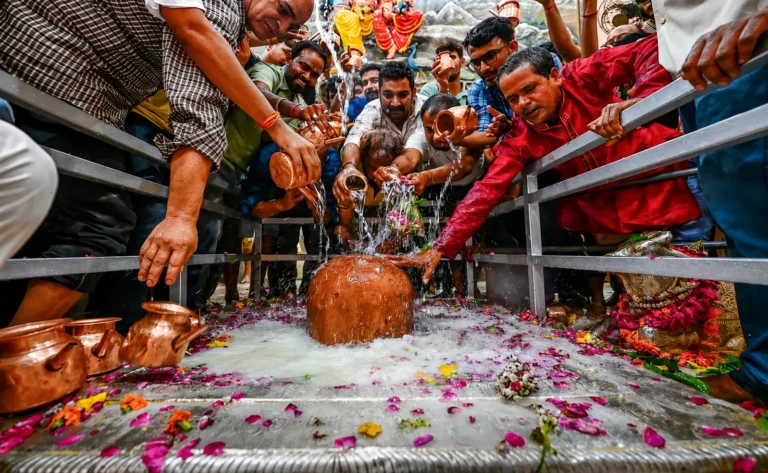
The Shiva Purana places this episode at the heart of why devotees observe Sawan with such intensity. It is remembered not as a myth to admire from a distance, but as a debt every devotee quietly repays, one Jalabhishek at a time. The heat from the poison is said to have caused Shiva immense discomfort, so the Devas poured cooling Ganga water over him, an act tradition places within this same month. Devotees have offered Jalabhishek ever since, in gratitude for that sacrifice.
A second tradition adds that Goddess Parvati fasted every Monday of Shravan while doing tapasya to win Shiva as her husband, and succeeded. This story is the direct root of today’s Sawan Somwar Vrat.
One thing that often confuses first-time devotees is why Sawan 2026 matters more than Maha Shivratri for daily worship. The answer lies less in a single festival and more in the month-long discipline that Sawan encourages, a sustained rhythm of fasting, chanting, and Abhishek that a single night, however significant, cannot replicate.
Why Does Sawan Still Matters Today?
Strip away the rituals for a moment, and Sawan is really about five things: discipline, slowing down, community, the monsoon itself, and devotion to Shiva.
- Discipline. A Monday fast is a small, repeatable act of self-control, the kind that is hard to sustain any other week of the year without a shared calendar pulling everyone toward it together.
- Slowing down. Chaturmaas, which Sawan opens, asks families to pause big decisions, weddings, new ventures, major purchases, for four months. In a culture that moves quickly the rest of the year, that pause is deliberate.
- Community. Kanwar Yatra routes and Monday temple queues turn private devotion into something shared. Strangers walk together, cook for one another, and staff the same roadside water camps year after year.
- Monsoon symbolism. The rain that defines this month is read as nature performing the same Abhishek devotees perform by hand, on a scale no human ritual could match.
- Shiva devotion. Underneath all of it sits a simple belief: sincere worship offered during Sawan carries more weight than the same worship offered at any other time of year.
Lesser-Known Facts About Sawan
- Nepal observes Sawan too. Sawan is called “Saun” in Nepal, and Pashupatinath Temple in Kathmandu holds special daily Rudrabhishek through the month.
- Avoiding leafy greens has a practical side. Beyond ritual reasons, monsoon-season leafy vegetables are more prone to insects and contamination, so the restriction doubles as food safety.
- 2026 is a full 30-day Sawan. Depending on the lunar cycle, Sawan can run shorter in some years. This year’s North Indian calendar gives the maximum window.
- Sendha namak isn’t about taste. Rock salt is unprocessed and considered Sattvic, unlike iodized table salt. That’s why it’s the only salt allowed in a strict fast.
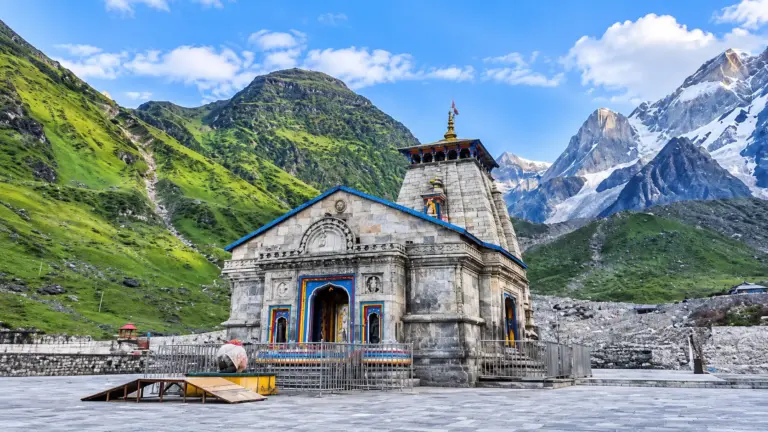
- Many devotees plan their Sawan visits around the 12 Jyotirlingas, shrines believed to house Shiva’s most powerful self-manifested forms. Ujjain’s Mahakaleshwar and Varanasi’s Kashi Vishwanath draw especially dense Monday crowds.
- Green has a double meaning this month. It’s both the Hariyali Teej dress code and a reference to the monsoon greenery the whole month is named around.
Why Are Mondays Special During Sawan?
Mondays in Sawan are considered the most powerful day of the week for Lord Shiva worship, because Maa Parvati is believed to have fasted every Sawan Monday to win Shiva as her husband. That precedent is why the Sawan Somwar Vrat is observed with equal devotion by married women, unmarried women, and men. It’s seen as especially effective for marital harmony and finding a compatible partner.
Interestingly, if you visit North Indian Shiva temples during Sawan, you’ll notice that attendance often peaks before sunrise rather than in the evening. Many devotees prefer to perform Jalabhishek before starting their workday, believing the first offering of the day carries special significance.
Quick Tip: Want a calmer, less crowded Jalabhishek? Arrive at the temple 30 to 45 minutes before sunrise instead of during the popular post-work evening rush.
All About Sawan Somwar Vrat
The Sawan Somwar Vrat is a sunrise-to-sunset fast observed on each of the four Mondays of Sawan, broken only after evening Shiva puja. It is the single most widely observed practice of the month.
Sawan Somwar Vrat Vidhi (Step-by-Step)
- Wake before sunrise, ideally during Brahma Muhurat, and bathe.
- Wear clean clothes, white or light colours are traditionally preferred.
- Take the vrat sankalp in front of a Shiva idol or Shivling, stating your intention.
- Visit a Shiva temple, or set up a clean puja space at home.
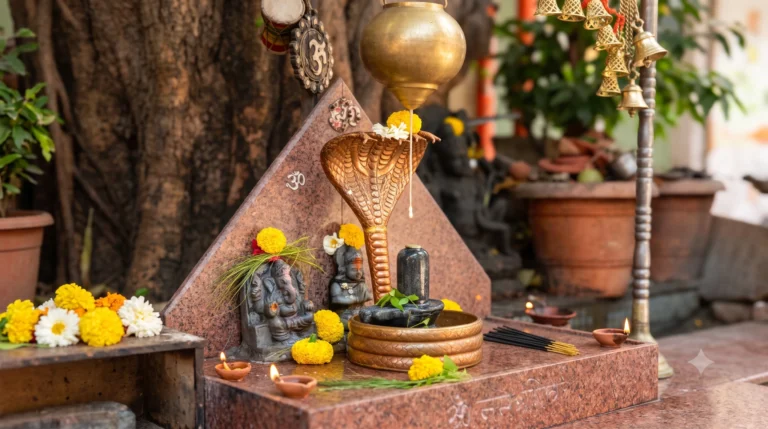
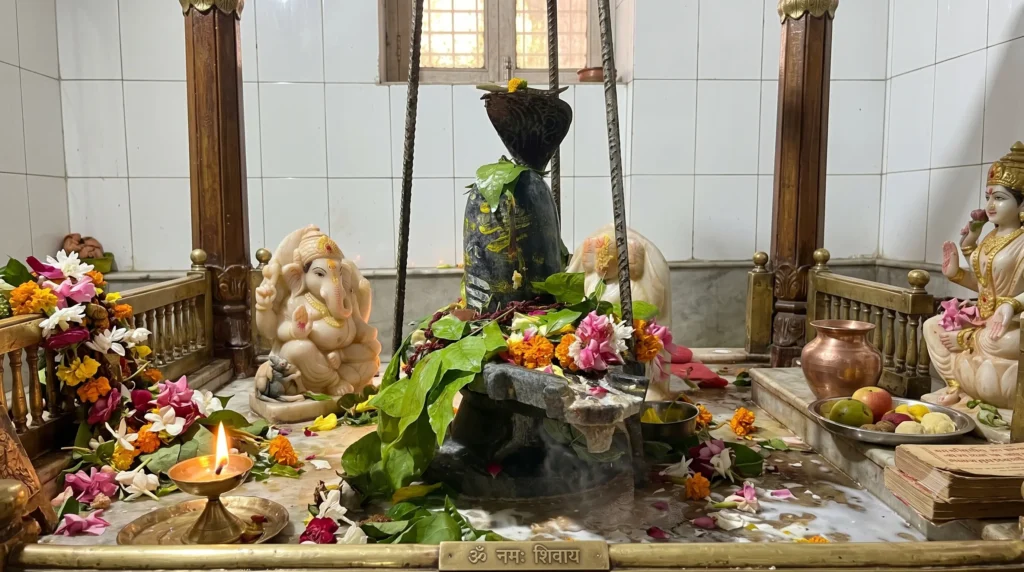
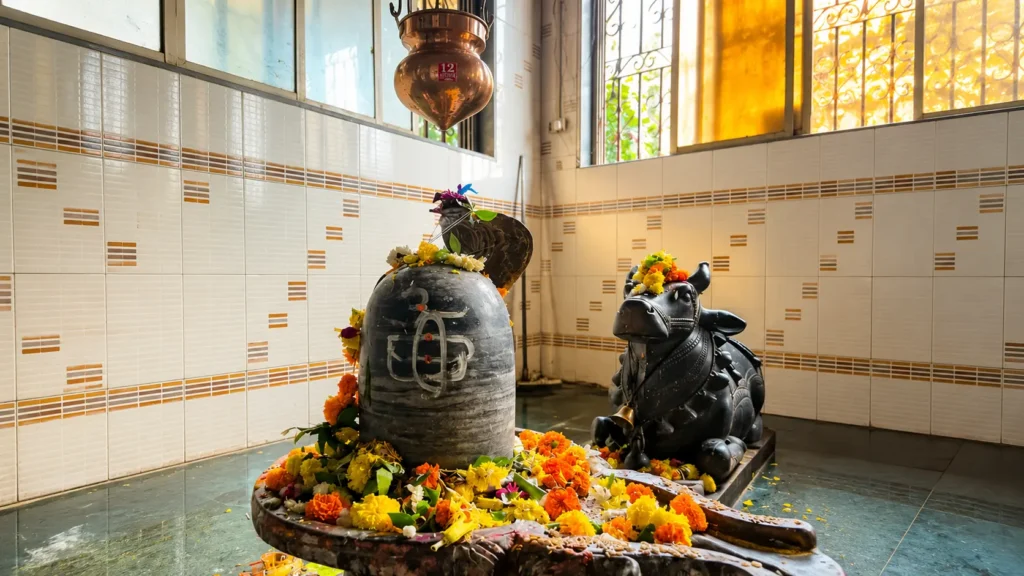
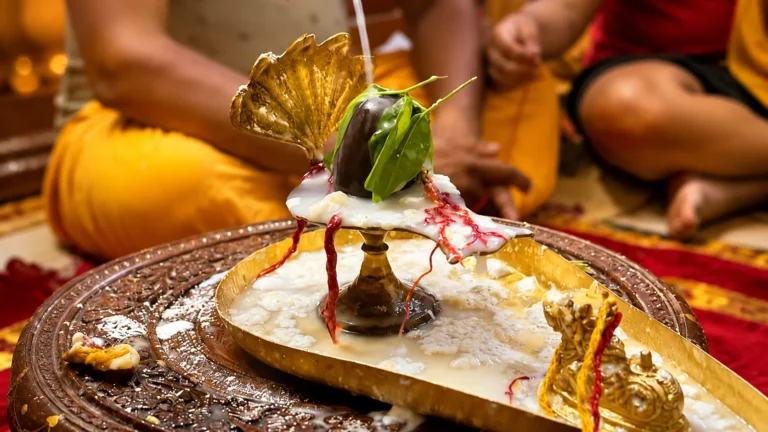
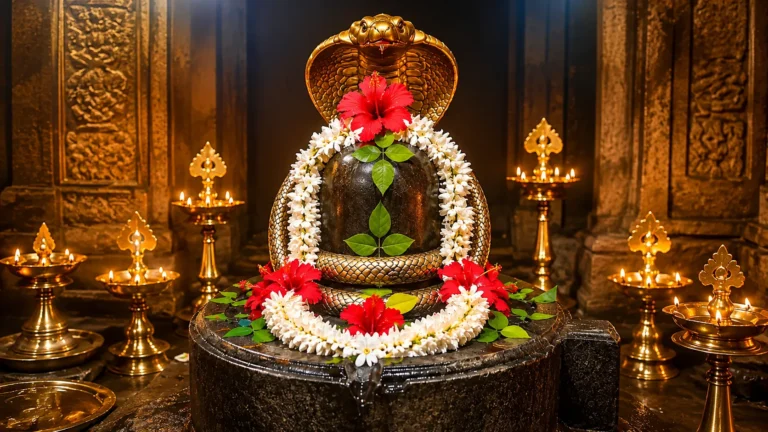
- Perform Jalabhishek with water, milk, or Gangajal.
- Offer Bilva leaves, Dhatura, and white flowers.
- Chant “Om Namah Shivaya” and recite the Maha Mrityunjaya Mantra.
- Perform the evening Aarti during Pradosh Kaal.
- Break the fast (Parana) only after puja, with one Sattvic, grain-free meal.
Sawan Somwar Puja Vidhi
- Clean the space and place the Shivling or Shiva idol at the centre.
- Start Abhishek with plain water, then Panchamrit.
- Rinse again with plain water to close the Abhishek.
- Offer Bilva patra, Dhatura, and white flowers.
- Apply Chandan and Bhasma to the Shivling.
- Light a diya and incense.
- Chant the Panchakshari Mantra and recite the Shiva Chalisa.
- Perform Aarti and distribute Prasad.
Water is always offered before flowers in this sequence. The logic is simple: purification comes first, adornment comes after. Offering flowers before Jalabhishek is considered incomplete, since the Shivling is meant to be cleansed before it is decorated.
Sawan Somvar Puja Samagri List
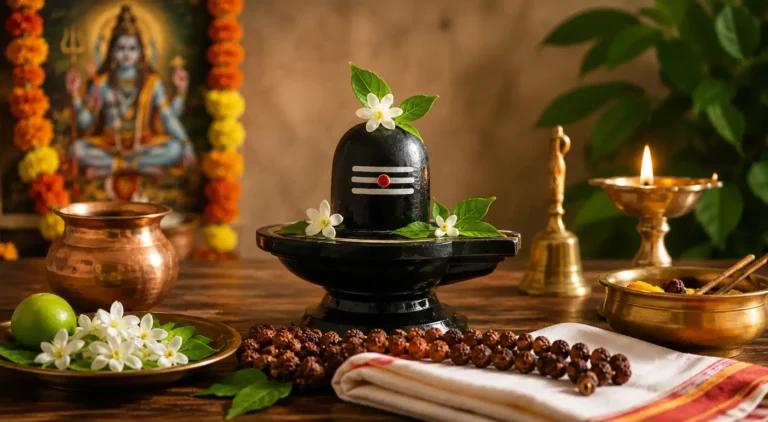
Keep this list ready before every Monday puja:
- Gangajal or clean water
- Raw milk, curd, honey, and ghee (for Panchamrit)
- Bilva (bel) patra
- Dhatura flower and fruit
- White flowers, especially Akand and Kaner
- Janeu (sacred thread)
- Chandan (sandalwood paste)
- Bhasma / Vibhuti (sacred ash)
- A diya, ghee or oil, and cotton wicks
- Incense sticks
- Fruits and Prasad
Common Mistakes First-Time Devotees Make
- Placing Bilva leaves upside down. The smooth, glossy side should face up, touching the Shivling.
- Breaking the fast before the evening puja is complete.
- Using iodized table salt instead of sendha namak.
- Assuming milk is mandatory for Jalabhishek. Plain water alone is a complete offering.
Somvar Vrat Vidhi vs. Sawan Somwar Vrat
A regular Somvar Vrat and a Sawan Somwar Vrat use the same steps: fasting, Abhishek, Bel patra offerings, evening Aarti. The difference is timing, not method. A Sawan Somwar Vrat is considered more spiritually potent purely because it falls in Shiva’s own month, and is usually observed with stricter diet and longer temple time.
16 Somwar Vrat Vidhi
The 16 Somwar Vrat is a vow to fast on sixteen consecutive Mondays, often started during Sawan but continuing well past it. It’s especially popular with unmarried women seeking a good partner and married women praying for their husband’s long life. The method matches the standard Somwar Vrat, repeated without a break for sixteen weeks, closing with a formal Udyapan ceremony.
Shrawan Vrat Katha
The Shrawan vrat katha is the traditional story told during the Somwar Vrat, and listening to it is considered part of completing the fast. The most common version tells of a poor Brahmin who kept the Sawan Somwar Vrat faithfully despite having almost nothing to offer, just water and a single Bilva leaf each week. Pleased by his sincerity rather than the scale of his offering, Shiva blessed his family with lasting prosperity. The story’s teaching: Shiva values devotion over grandeur.
Read Full Sawan Vrat Katha Here
→
Remember: Sincerity matters more than scale. A single lota of water offered with full attention outweighs an elaborate puja performed distractedly.
How to Worship Lord Shiva During Sawan?
Daily Sawan worship is simple: a morning Jalabhishek, chanting Om Namah Shivaya 108 times, an evening diya, and strictly avoiding non-vegetarian food and alcohol. Add to that reading the Shiva Purana or Shiv Chalisa when time allows.
The Skanda Purana explains that even a single Bel patra, offered with devotion, carries merit equal to elaborate rituals performed at other times of the year, a reminder that consistency matters more than scale.
Benefits of Chanting Om Namah Shivaya 108 Times
Chanting Om Namah Shivaya 108 times daily is believed to calm the mind, remove fear, build discipline, and support relief from planetary doshas when paired with Rudrabhishek.
The Panchakshari Mantra is the five-syllable salutation to Shiva and the most widely chanted mantra in Shaivite practice. The count of 108 matches the beads on a Rudraksha mala and is considered spiritually complete in Hindu tradition, which is why it’s the standard count for nearly every major mantra practice in Sawan. Devotees observing a full Rudrabhishek traditionally offer Bilva leaves in the same count, tying the mantra practice and the physical offering together.
Powerful Shiva Prayers and Mantras for Sawan 2026
Here are 7 powerful prayers and mantras to chant during sawan for tremendous spiritual benefits:
1. Om Namah Shivaya (ॐ नमः शिवाय)
ॐ नमः शिवाय
Om Namah Shivaya
Meaning: “I bow to Lord Shiva.”
2. Maha Mrityunjaya Mantra (महामृत्युंजय मंत्र)
ॐ त्र्यम्बकं यजामहे सुगन्धिं पुष्टिवर्धनम्।
उर्वारुकमिव बन्धनान्मृत्योर्मुक्षीय मामृतात्॥
Meaning: “We worship the three-eyed Lord Shiva, who nourishes and sustains all beings. May He free us from the fear and bondage of death, just as a ripe cucumber naturally separates from its vine, and bless us with immortality in the form of spiritual liberation.”
3. Rudra Gayatri Mantra (रुद्र गायत्री मंत्र)
ॐ तत्पुरुषाय विद्महे
महादेवाय धीमहि
तन्नो रुद्रः प्रचोदयात्॥
Meaning: “We meditate upon the Supreme Lord Mahadev. May Lord Rudra illuminate our minds and guide us toward righteousness.”
4. Shiva Dhyan Mantra (शिव ध्यान मंत्र)
करचरण कृतं वाक्कायजं कर्मजं वा
श्रवणनयनजं वा मनसं वपराधं ।
विहितमविहितं वा सर्वमेतत्क्षमस्व
जय जय करुणाबद्ध श्री महादेव शम्भो॥
Meaning: “Whatever sins I have committed with my hands, feet, speech, body, actions, ears, eyes, or mind whether knowingly or unknowingly O Mahadev, please forgive them all. Victory to you, O ocean of compassion!”
5. Rudra Mantra (रुद्र मंत्र)
ॐ नमो भगवते रुद्राय
Meaning: I bow to the mighty Rudra.
6. Lingashtakam (लिंगाष्टकम्)
ब्रह्ममुरारि सुरार्चित लिंगम्
निर्मल भासित शोभित लिंगम्॥
जन्मज दुःख विनाशक लिंगम्
तत् प्रणमामि सदाशिव लिंगम्॥
Meaning: “I bow to that eternal Shiva Lingam, worshipped by Brahma, Vishnu, and other gods, which destroys the sorrow of birth and death.”
7. Om Namo Shivaya Gurave (ॐ नमो शिवाय गुरवे)
ॐ नमः शिवाय गुरवे
सच्चिदानन्द मूर्तये।
निष्प्रपञ्चाय शान्ताय
निरालम्बाय तेजसे॥
Meaning: “I bow to Lord Shiva, the eternal Guru, who embodies truth, consciousness, and bliss. He is beyond worldly limitations, the very form of peace, and the source of divine light.”
Read About more prayers and Mantras of sawan with meaning
→
What are Sawan Fasting Rules?
Sawan 2026 fasting can be Nirjala (waterless), Phalahar (fruits only), or a single Sattvic meal a day. The intensity is a personal choice based on health and capacity.
Fasting Rules Before Beginning the Vrat
- Preparing yourself before sunrise is considered an important part of the Somvar Vrat Vidhi.
-
- Wake up during Brahma Muhurat or as early as possible.
- Take a bath and wear clean, preferably light-colored or white clothes.
- Clean your home temple or puja area before starting worship.
- Take a Sankalp (sacred vow), praying to Lord Shiva with your intention for observing the fast.
- Gather all the items required for Sawan Somwar Puja Vidhi before beginning the rituals.
Sawan Vrat Rules During the Fast
- Chant Om Namah Shivaya or the Maha Mrityunjaya Mantra throughout the day.
- Read the Shiva Purana, Shiv Chalisa, or listen to the Shrawan Vrat Katha.
- Maintain a calm and positive mindset.
- Speak politely and avoid arguments or harsh language.
- Practice honesty, compassion, and self-restraint.
- Visit a Shiva temple whenever possible.
- Spend a few quiet moments in meditation or prayer.
Many devotees also choose to avoid unnecessary entertainment or distractions during Shravan Maas 2026, using the day to focus on spiritual practices instead.
Food Rules During the Vrat
- Eat only Sattvic food.
- Avoid grains if observing a strict fast.
- Use only sendha namak (rock salt) instead of regular table salt.
- Avoid onion, garlic, eggs, meat, alcohol, and tobacco.
- Choose fruits, milk, curd, sabudana, kuttu flour, singhada flour, potatoes, makhana, and dry fruits.
- Drink enough water unless you have taken a Nirjala Vrat.
- Your existing Sawan Somvar Puja Samagri and fasting recipes fit naturally with these dietary rules.
Vrat Rules for Breaking the Fast (Parana)
The Sawan Somwar Vrat traditionally concludes after the evening Shiva Puja.
Before breaking your fast:
- Perform Jalabhishek if you have not already done so.
- Offer Bilva leaves, flowers, and Prasad to Lord Shiva.
- Chant your chosen Shiva mantra.
- Perform the evening Aarti during Pradosh Kaal whenever possible.
- Offer the prepared food to Lord Shiva before eating.
- Break the fast with simple Sattvic food.
Quick Tip: If you are new to fasting? Start with a single Sattvic meal instead of a full Nirjala fast. Many lifelong devotees built up to a waterless fast only after a few years of practice.
Important Rituals Performed During Sawan 2026
- Jalabhishek: Pouring water or Gangajal over the Shivling, the most common ritual of the month, performed daily in countless homes.
- Rudrabhishek: A fuller Abhishek using Panchamrit, done with Vedic chanting, usually led by a Pandit.
- Maha Mrityunjaya Jaap: Repeated chanting of the Maha Mrityunjaya Mantra, believed to protect against untimely death and serious illness.
- Kanwar Yatra/Kawad Yatra: The month’s largest visible ritual, covered in full detail in the next section.
- Shrawan Vrat Katha Path: Listening to or narrating the Shrawan vrat katha as part of each Monday’s puja, considered an essential closing step, not optional.
What are the Other Festivals During Sawan 2026
The table below lists every major festival falling inside Sawan 2026 and what each one means.
Hariyali Teej, A Closer Look
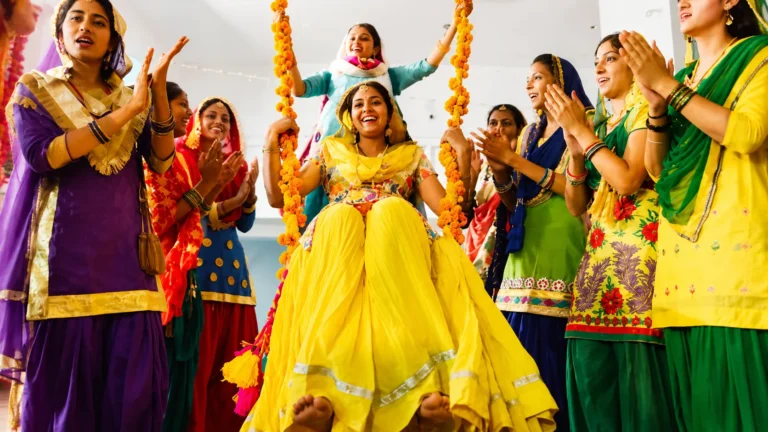
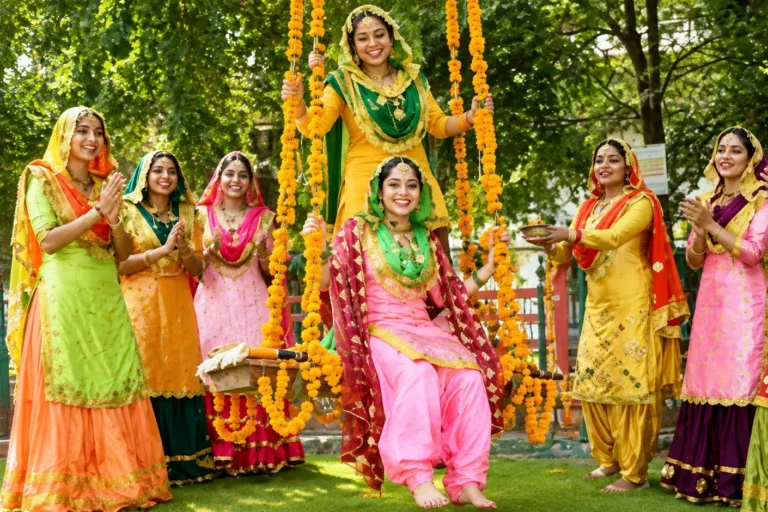
Hariyali Teej marks Parvati’s reunion with Shiva after her tapasya. Devotees mark it with green clothes, bangles, mehndi, and swings tied to monsoon trees. In 2026, it also falls on India’s Independence Day, giving it a rare double significance.
Nag Panchami, A Closer Look
Nag Panchami honours serpent deities for protection from snakebite and household wellbeing. In 2026, it falls on the same day as the 3rd Sawan Somwar, so many devotees combine both observances into one day of worship.
All About Kanwar Yatra ( कावड़ यात्रा) During Sawan
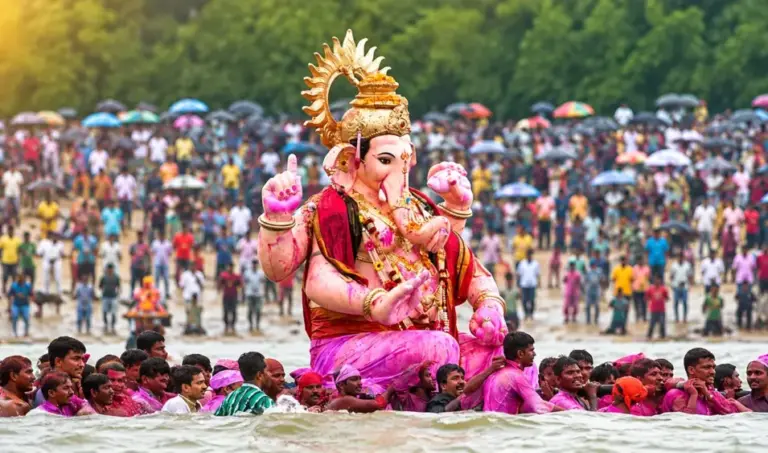
Kanwar Yatra, also known as Kawad Yatra is a pilgrimage where devotees called Kanwariyas carry holy Ganga water on a shoulder pole to their local Shiva temple for Jalabhishek, usually timed to Sawan Shivratri. It is the largest annual religious gathering in India. In 2025, Haridwar alone drew an estimated four crore-plus pilgrims in about fifteen days.
For the length of the Yatra, national highways effectively turn into temporary pilgrimage routes. Volunteers set up free food camps every few kilometres, medical tents run around the clock, devotional songs play through loudspeakers strung between trees, and thousands of strangers who will likely never meet again walk side by side, all carrying the same orange-draped Kanwar.
Did You Know?
Tradition holds that Lord Parshuram was the first Kanwariya, carrying Ganga water to offer at Pura Mahadev in Baghpat. That makes today’s Kanwar Yatra a practice with roots in scripture, not a modern addition to the calendar. What was once a modest regional walk has grown into one of the largest annual gatherings on Earth.
What Is a Kanwar?
A Kanwar is a bamboo pole with pots hanging from each end. Kanwariyas fill the pots with Ganga water at a sacred source and carry the pole, without setting it down, all the way to a Shiva temple, where the water becomes Jalabhishek.
The Sultanganj route is especially sacred because the Ganga flows northward there (Uttarvahini Ganga). Devotees fill their Kanwar without setting it down and walk it to Baba Baidyanath Dham, one of the twelve Jyotirlingas, over three to five days.
The Shravani Mela built around this single route now draws well over a crore pilgrims across the month, alongside the four crore-plus recorded at Haridwar.
Types of Kanwar
- Samanya (Normal) Kanwar: walked at a steady pace, with rest stops allowed.
- Dak Kanwar: a near-non-stop relay completed in 24 to 36 hours, timed to finish right before Shivratri.
- Khadi Kanwar: carried standing at all times, never set down.
- Dandi Kanwar: an austere form done through repeated full-body prostration along the route.
Kanwar Yatra Rules
- The Kanwar must never touch the ground during the journey.
- Barefoot walking is traditional; footwear is allowed for health reasons.
- Non-vegetarian food sales are typically banned on official Kanwar routes.
- Carry a valid government ID. Checkpoints are common.
- Follow local traffic diversions and designated walking lanes.
Kanwar Yatra Safety
Kanwar/Kawad Yatra safety planning has tightened across every major Indian state since the Kumbh Mela stampede in early 2025. Expect heavy CCTV coverage, drone monitoring, one-way pilgrim lanes, and coordinated policing across Uttar Pradesh, Uttarakhand, Delhi, Haryana, Bihar, and Jharkhand. If you’re travelling through these states for reasons unrelated to the Yatra, plan around July 30 to August 13, or use alternate routes and rail to avoid the heaviest diversions.
Foods Eaten During Sawan 2026
Sawan diet is Sattvic and vrat-friendly: fruit, milk, curd, sabudana, kuttu and singhada flour, potatoes, dry fruits, and rock salt.
Sabudana Khichdi Vrat Recipe
Soak sabudana in water for 4 to 5 hours until soft, then drain well. Heat ghee, add cumin seeds, green chili, and boiled cubed potatoes, and saute briefly. Add the soaked sabudana, roasted crushed peanuts, and sendha namak. Cook on low heat, stirring gently, until the sabudana turns translucent. Finish with lemon juice and fresh coriander. It needs no onion or garlic and holds up well through a long fasting day.
What You Should Avoid During Sawan?
During Sawan 2026, many devotees follow certain dietary and lifestyle practices to maintain the sanctity of the month. While customs vary by family and region, these are the most commonly observed restrictions during Shravan Maas.
- Avoid non-vegetarian food and alcohol. Most devotees stay completely vegetarian throughout Sawan, not just on Sawan Somwar, as an expression of purity and self-discipline.
- Avoid onion and garlic. These ingredients are considered Tamasic in Hindu tradition and are generally excluded from Sattvic meals prepared during the month.
- Limit leafy vegetables. Many families avoid spinach and other leafy greens because they spoil quickly during the monsoon and are more prone to insects, alongside traditional religious beliefs.
- Avoid cutting hair or nails on Mondays. This is a regional custom rather than a universal religious rule, so practices differ between households.
- Don’t break your fast before evening Aarti. According to Shrawan Somwar Vrat Niyam, Parana should only be performed after the evening Shiva puja or Pradosh Kaal rituals are complete.
Remember: Not every tradition is mandatory. If you’re observing Sawan Somwar Vrat for the first time, follow the customs practiced by your family or local temple.
Book train tickets at least three to four months in advance. Indian Railways runs special Rath Yatra trains, but general quota fills extremely fast for July 16.
What are the Benefits of Observing Sawan 2026?
- Deepens devotion to Lord Shiva through regular Jalabhishek, mantra chanting, and the Sawan Somwar Vrat Vidhi.
- Builds discipline and mindfulness by following a consistent routine of fasting, worship, and self-restraint throughout Shravan Maas.
- Creates mental peace through daily chanting. Many devotees believe the benefits of chanting Om Namah Shivaya 108 times include greater focus, emotional balance, and inner calm.
- Encourages a lighter Sattvic diet, which many people find easier to digest during the monsoon season.
- Strengthens family and community bonds as families perform puja together and participate in festivals such as Hariyali Teej, Nag Panchami, and Raksha Bandhan.
- Carries special spiritual significance. Hindu tradition holds that prayers, charity, and Shiva worship performed during Sawan bring greater spiritual merit than the same practices performed during ordinary months.
Planning to Observe Sawan for the First Time?
If this is your first Sawan Somwar Vrat, here’s a simple part-by-part outline to follow.
Morning: Wake before sunrise, bathe, wear clean light-coloured clothes, take your sankalp, and perform Jalabhishek at a temple or home altar.
Afternoon: Avoid grains, stay hydrated if you’re not observing a Nirjala fast, rest where possible, and avoid conflict or negative speech.
Evening: Attend the Pradosh Kaal Aarti at a temple or at home, chant Om Namah Shivaya, and break your fast only after puja is complete.
Temple: Carry Bel Patra, Dhatura, white flowers, and a small offering of Gangajal or milk. Dress modestly.
Food: Fruits, sabudana khichdi, kuttu roti, dry fruits, and sendha namak only, no grains, onion, or garlic.
Fast: Choose an intensity that fits your health: Nirjala, Phalahar, or a single meal. Don’t over-commit on your first attempt.
Prayer: Even five minutes of sincere Om Namah Shivaya chanting is complete worship. Scale isn’t the point.
Quick Tip: Your first Sawan Somwar doesn’t need to be your strictest one. Many lifelong devotees started with a single-meal fast and only moved to a full Nirjala fast after a few years of practice.
Remember: What matters most is the pure intention. On the contrary, there are people who consume non-veg and alcohol throughout the year. But go sattvic during Sawan.
Do's and Don'ts During Sawan 2026
Sawan 2026 is one of the holiest months in the Hindu calendar, and many devotees choose to follow certain practices that reflect purity, discipline, and devotion to Lord Shiva. While traditions may differ across regions and families, these do’s and don’ts are the most widely observed during Shravan Maas 2026.
If you’re observing Sawan Somwar Vrat for the first time, use these guidelines as a practical reference rather than treating them as rigid rules.
Common Customs Many Families Follow
Along with the practices above, many Hindu families also observe a few regional customs during Sawan 2026. These traditions are cultural rather than mandatory, so don’t worry if your family follows a different practice.
Some devotees choose to:
- Wear green, white, or light-colored clothes during Shravan Maas 2026.
- Avoid cutting hair or nails on Sawan Somwar.
- Sleep on a simple mat instead of a bed as an act of self-discipline.
- Visit a Shiva temple every Monday.
- Avoid beginning major celebrations or weddings during Chaturmaas.
Remember: The purpose of observing Sawan 2026 is not to follow the longest list of rules. Lord Shiva is often described as Bholenath, the compassionate one who values sincere devotion over elaborate rituals. If you observe Sawan Somwar Vrat with faith, humility, and kindness toward others, you are already honoring the true spirit of the month.
Conclusion
Before Sawan ends, millions of Bilva leaves will be offered, countless Shivlings will be bathed in water and milk, and the sound of Om Namah Shivaya will echo through temples and homes across the country. Yet every one of those prayers begins in the same simple way: with devotion.
If your Sawan is marked by a Kanwar Yatra, a Monday fast, or a quiet prayer before work, the purpose remains unchanged. Sawan is not measured by how elaborate the ritual is, but by the sincerity with which it is performed.
As you observe Sawan 2026, may this guide help you navigate every date, vrat, ritual, and festival with clarity and understanding.
Frequently Asked Questions About Sawan 2026