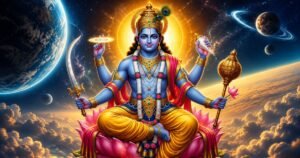

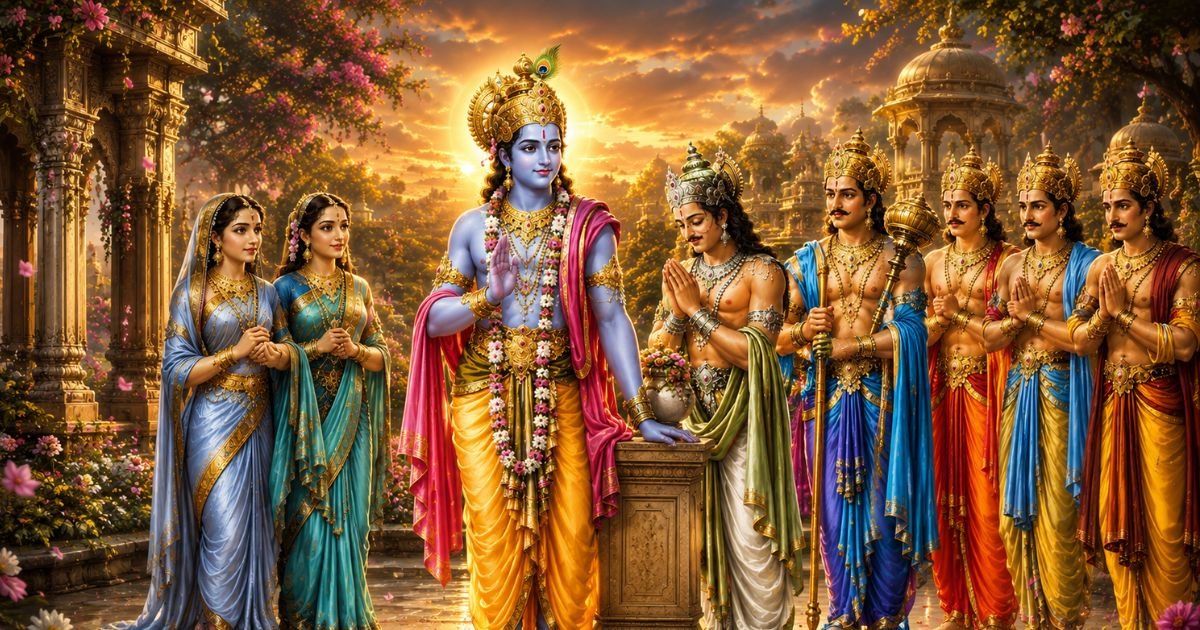
Not every Ekadashi comes once in three years. Padmini Ekadashi does. It falls only during Adhik Maas, the extra lunar month in the Hindu calendar. Adhik Maas arrives approximately once every three years. And the Ekadashi that falls within it carries extraordinary spiritual power.
Lord Vishnu Himself blessed this Ekadashi with divine merit. The scriptures say observing it even once brings the fruit of many lifetimes of worship. If you are someone who observes Ekadashi fasts with love and intention, this is one you will want to know completely.
What Is Padmini Ekadashi?
Padmini Ekadashi is the sacred Vrat observed on the Ekadashi tithi of Shukla Paksha during Adhik Maas. Adhik Maas is also called Purushottam Maas, the month of Lord Purushottam (Vishnu). Every spiritual act performed in this month multiplies in merit. The Ekadashi of this month, therefore, becomes the crown of all Ekadashi fasts.
The name Padmini comes from the Sanskrit word for lotus. The lotus symbolizes purity, grace, and spiritual blossoming. Devotees who observe this Vrat with sincerity are said to bloom like a lotus, rising above the mud of worldly attachments.
The Padmini Ekadashi importance in Hinduism is rooted in the Bhavishya Uttara Purana. Lord Vishnu narrated its greatness to Yudhishthira directly. He described it as one of the most powerful Vratas a person can observe in their entire life.
Padmini Ekadashi 2026: Date and Time
Padmini Ekadashi 2026 falls during the Shukla Paksha of Adhik Maas. The exact date depends on the regional Panchang and your local sunrise time. Always confirm the tithi timings from a trusted Panchang before you begin the fast. The Vrat starts after sunrise on Ekadashi and the fast breaks during the Parana time on Dwadashi.
| Detail | Information |
| Occurrence | Once every ~3 years (Adhik Maas only) |
| Paksha | Shukla Paksha (waxing moon fortnight) |
| Dedicated To | Lord Vishnu (Purushottam) |
| Fast Type | Nirjala (no water) or Phalahar (fruits only) |
| Parana | Dwadashi tithi, after sunrise |
What is the Importance of Padmini Ekadashi in Hinduism?
The padmini ekadashi importance in hinduism goes far beyond a regular fast. The Bhavishya Uttara Purana dedicates an entire section to describing its greatness. Lord Vishnu tells Yudhishthira that this Ekadashi removes sins accumulated across many births. He compares its merit to performing a thousand Ashwamedha Yagnas.
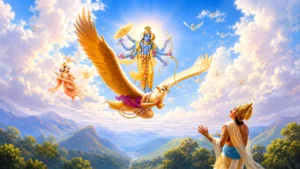
This magnitude comes from Adhik Maas itself. When the extra lunar month was created, no deity agreed to accept it as their own month. Adhik Maas felt rejected and prayed to Lord Vishnu in deep sorrow. Lord Vishnu, moved by compassion, accepted it and declared it His own. He named it Purushottam Maas and blessed it with the highest spiritual rewards of all twelve months. The Ekadashi of this month naturally inherited that blessing.
This story carries a deeper teaching: Lord Vishnu accepts the forgotten, the overlooked, and the rejected. Just as He accepted Adhik Maas, He accepts every sincere devotee who comes to Him with a humble heart.
Padmini Ekadashi Vrat Katha
| युधिष्ठिर भगवान कृष्ण से पूछते हैं – भगवन्! मैं भगवान विष्णु को प्रसन्न करने वाले उत्तम व्रत और सब पापों को नाश करने वाले और मनुष्य को मनोवांछित फल देने वाला हो उसको सुनने की इच्छा रखता हूं। प्रभु कृप्या करके मुझसे पुरुषोत्तम मास की एकादशी कथा कहिए। उस एकादशी का क्या फल है और उसमें किसी देवता का पूजन किया जाता है। इस एकादशी में क्या दान देना चाहिए। उस समय कैसे स्नान किया जाता है। किस मंत्र का जप करना चाहिए। भगवान विष्णु का पूजन कैसा किया जाता है। साथ ही पुरुषोत्तम मास में किस अन्न का भोजन करना शुभ फलदायी रहता है। कृप्ता करके बताएं। भगवान् श्रीकृष्ण बोले- पार्थ ! अधिक मास में आने वाली एकादशी का नाम कमला है। यह सभी तिथियों में उत्तम मानी जाती है। इस एकादशी व्रत के प्रभाव से लक्ष्मी अनुकूल होती है। इस दिन सुबह ब्रह्म मुहूर्त में उठकर भगवान् पुरुषोत्तम का स्मरण करे और स्नान करें। स्नान के बाद व्रत नियम ग्रहण करे। इस दिन घर पर भगवान विष्णु के मंत्रों का घर पर जप करने का एक गुना, नदी के तट पर दूना, गोशाला में सहस्रगुना, अग्निहोत्र गृहमें एक हजार एक सौ गुना, शिव के क्षेत्रों में, तीर्थो में, देवताओं के निकट तथा तुलसी के समीप और भगवान् विष्णु के निकट अनंत गुना फल मिलता है। राजेंन्द्र अब ध्यान से सुनो! अवंतीपुर नाम के एक नगर में शिवशर्मा नामक एक श्रेष्ठ ब्राह्मण रहते थे, उसके पांच पुत्र थे। उन पाचों में से सबसे छोटा पुत्र पापाचारी हो गया था। उसकी आदतों के कारण उसके पिता और स्वजनों ने उसे त्याग दिया। अपने बुरे कर्मों के कारण निर्वासित होकर यह बहुत दूर वन में चला गया। दैवयोग से एक दिन वह तीर्थराज प्रयाग आ पहुंता। ख से दुर्बल शरीर और दीन मुख लिये उसने त्रिवेणी में स्नान किया। भूख से व्याकुल होकर नह मुनियों का आश्रम खोजमे लगा। इतने में उसे वहां हरिमित्र मुनि का आश्रम दिखायी दिया। पुरुषोत्तम मास में वहां बहुत-से मनुष्य एकत्रित हुए थे। आश्रम में उसने ब्राह्मणों के मुख से श्रद्धा पूर्वक ‘कमला’ एकादशी की कथा सुनी। यह एकादशी परम पुण्यमयी तथा भोग और मोक्ष प्रदान करने वाली है। जयशर्मा ने विधि पूर्वक ‘कमला’ एकादशी की कथा सुनकर उन सबके साथ मुनि के आश्रम पर ही व्रत किया। व्रत के बाद आधि रात के समय माता लक्ष्मी उसके पास आकर बोलीं- ‘ब्रह्मन् ! इस समय ‘कमल’ एकादशी व्रत के प्रभाव से मैं तुम पर बहुत प्रसन्न हूं और देवाधि देव श्रीहरि की आज्ञा पाकर बैकुंठ धाम से आयी हूं। मैं तुम्हें वर दूंगी। माता लक्ष्मी के ऐसे वचन सुनकर ब्रह्माण बोला – हे माता ! अगर आप मुझपर प्रसन्न है तो वह व्रत बताइये जिसकी कथा-वार्ता में साधु-ब्राह्मण सदा संलग्न रहते हैं। ब्रह्माण के वचन सुनकर लक्ष्मी जी कहती है कि ब्राह्मण! एकादशी व्रत का माहात्म्य श्रोताओं के सुनने योग्य सर्वोत्तम विषय है। यह व्रत पवित्र वस्तुओं में से सबसे उत्तम है। इस व्रत को करने से पाप का नाश और पुण्य की प्राप्ति होती है। इसलिए बहुत ही ध्यान पूर्वक इस व्रत का श्रवण करना चाहिए। माता लक्ष्मी आगे कहती हैं कि उत्तम पुरुष श्रद्धा से युक्त हो एक या आधे श्लोक का पाठ करने से भी करोड़ों महापातकों से तत्काल मुक्त हो जाता है। जैसे मासों में पुरुषोत्तम मास, पक्षियों में गरुड़ तथा नदियों में गंगाजी श्रेष्ठ है; उसी प्रकार तिथियों में एकादशी तिथि उत्तम है। समस्त देवता आज भी एकादशी व्रतके ही लोभसे] भारतवर्ष में जन्म लेने की इच्छा रखते हैं। देवगण सदा ही रोग-शोक से रहित भगवान् नारायण का पूजन करते हैं। जो लोग मेरे प्रभु भगवान् नारायण के नाम का सदा भक्ति पूर्वक जप करते है, उनकी ब्रह्मा आदि देवता सर्वदा पूजा करते हैं। जो लोग श्रीहरि के नाम-जप में संलग्न हैं, उनकी लीला- कथाओं के कीर्तन में तत्पर है तथा निरंतर श्रीहरि की पूजा में ही प्रवृत्त रहते हैं; वे मनुष्य कलियुग में कृतार्थ है। यदि दिन में एकादशी और द्वादशी हो तथा रात्रि बीतते-बीतते त्रयोदशी आ जाय तो उस त्रयोदशी के पारण में सौ यज्ञों का फल प्राप्त होता है। व्रत करने वाले को चक्रसुदर्शन धारी देवाधिदेव श्रीविष्णुके समक्ष ‘एकादश्यां निराहारः स्थित्वाहमपरेऽहनि। भोक्ष्यामि पुण्डरीकाक्ष शरण मे भवच्युत।। नित्राङ्कित मन्त्रका उच्चारण करके भक्ति भाव से भगवान का ध्यान करना चाहिए। इससे भगवान श्रहरि संतुष्ट होते हैं। इस मंत्र का अर्थ है, हे भगवान मैं एकादशी के दिन व्रत रखकर द्वादशी के दिन व्रत का पारण करूंगा। मुझे आप अपनी शरण प्रदान करें। व्रत करनेवाला मनुष्य मन और इन्द्रियों को वश में करके भगवान के भजन गीत, वाद्य, नृत्य और पुराण-पाठ आदि के द्वारा रात में भगवान के सामने बैठकर जागरण करना चाहिए। फिर द्वादशी के दिन उठकर स्नान के पश्चात् जितेन्द्रियभाव से विधिपूर्वक श्रीविष्णु की पूजा करे। एकादशीको पञ्चामृत से जनार्दन को नहलाकर द्वादशी को केवल दूध में स्नान कराने से श्रीहरि का सायुज्य प्राप्त होता है। पूजा करके भगवान से इस प्रकार प्रार्थना करें। अज्ञानतिमिरान्धस्य व्रतेनानेन केशव । प्रसीद सुमुखो भूत्वा ज्ञानदृष्टिप्रदो भव।। ‘केशव ! मैं अज्ञानरूपी रतौंधी से अंधा हो गया हूं। आप इस व्रत से प्रसन्न हो और प्रसन्न होकर मुझे ज्ञानदृष्टि प्रदान करे।’ इस प्रकार देवताओं के स्वामी देवाधिदेव भगवान गदाधर से निवेदन करके भक्तिपूर्वक ब्राह्मणों को भोजन कराए तथा उन्हें दक्षिणा दे। उसके बाद भगवान नारायण के शरणागत होकर बलिवैश्व देव की विधि से पञ्चमहायज्ञो का अनुष्ठान करके स्वयं मौन हो अपने बन्धु- बान्धवों के साथ भोजन करें। इस प्रकार जो शुद्ध भाव से पुण्यमय एकादशी का व्रत करता है, वह पुनरावृत्ति से रहित वह पुनरावृत्ति से रहित वैकुण्ठधाम को प्राप्त होता है। भगवान् श्रीकृष्ण कहते हैं -राजन् ! ऐसा कहकर लक्ष्मी देवी उस ब्राह्मण को वरदान देकर अंतर्धान हो वह गयीं। फिर वह ब्राह्मण भी धनी होकर पिता के घर पर आ गया। इस प्रकार जो ‘कमला’ एकादशी का उत्तम व्रत करता है तथ तथा एकादशीके दिन इसका माहात्म्य सुनता है, वह सब पापों से मुक्त हो जाता है। कथा-सारभगवान सर्वव्यापी हैं और सबसे कठिन इच्छाओं को भी पूर्ण करने की शक्ति रखते हैं। किन्तु यह समझना आवश्यक है कि मनुष्य अपनी मनोकामना प्राप्त करने हेतु भगवान को किस प्रकार प्रसन्न करे। पद्मिनी एकादशी भगवान को अत्यंत प्रिय मानी जाती है; इस व्रत का पालन जप-तप, अर्थात मंत्र-जप और तपस्या, से भी अधिक प्रभावशाली माना गया है। इस व्रत के माध्यम से मनुष्य अत्यंत दुर्लभ और कठिन प्राप्त होने वाले वरदानों को भी प्राप्त कर सकता है। |
Padmini Ekadashi Fasting Rules
Observing the Padmini Ekadashi fasting rules correctly ensures you receive the full benefit of the Vrat. The rules cover three days: the Dashami before, the Ekadashi itself, and the Dwadashi after.
Dashami: The Day Before
- Eat only one sattvic meal on Dashami. Avoid non-vegetarian food, alcohol, and tamasic items.
- Sleep early and keep your mind calm. Set your intention for the Vrat.
- Avoid eating on silver utensils if you follow a strict observance.
Ekadashi: The Fast Day
- Wake before sunrise, take a bath, and wear clean clothes.
- Chant “Om Namo Bhagavate Vasudevaya” after bathing.
- Observe either a Nirjala fast (no water) or a Phalahar fast (fruits, milk, and nuts).
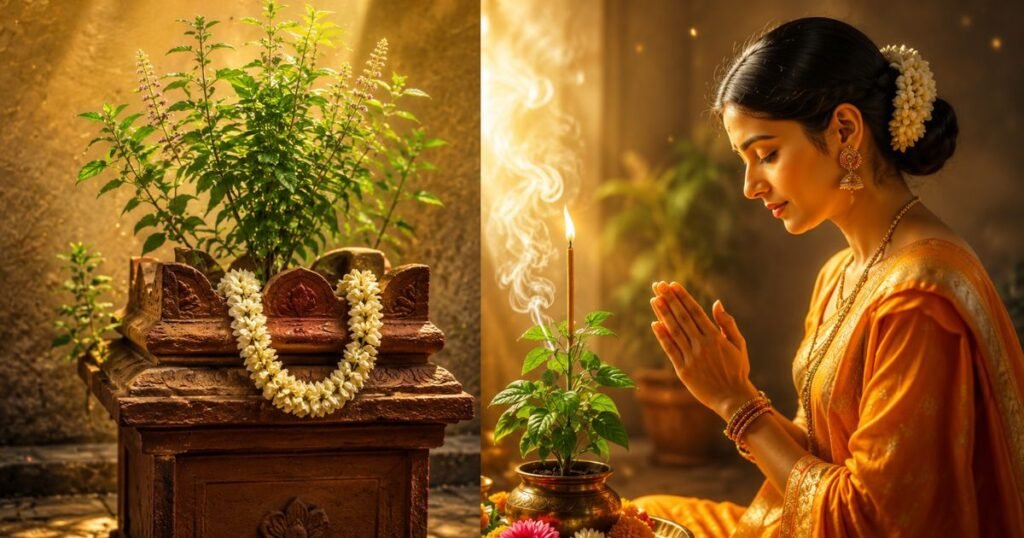
- Light a lamp and offer Tulsi leaves to Lord Vishnu in the morning.
- Spend the day in prayer, Vishnu Sahasranama recitation, or Bhagavad Gita reading.
- Avoid rice, grains, beans, and all cereals throughout the entire day.
- Do not sleep during the daytime. Stay awake at night with bhajan or kirtan.
- Do not cut hair or nails on this day.
Dwadashi: Breaking the Fast
- Break the fast after sunrise on Dwadashi, within the Parana time window.
- Donate food, grains, or clothing to someone in need or to a Brahmin.
- Eat sattvic, light food to break the fast gently. Avoid heavy or spicy meals.
- Do not break the fast before the Parana time begins. This is essential.
Following these Padmini Ekadashi fasting rules with sincerity honors the full spirit of the Vrat. Even if you cannot observe a complete Nirjala fast, a partial fast with pure devotion is accepted by Lord Vishnu.
How to Do Padmini Ekadashi Vrat?
If you are observing Padmini Ekadashi for the first time, this step-by-step guide on how to do Padmini Ekadashi Vrat will walk you through the entire process clearly.
| Step | Time | What to Do |
| 1 | Night before (Dashami) | Eat light sattvic food. Set your intention for the fast. Sleep early. |
| 2 | Early morning | Wake before sunrise. Bathe and wear clean, fresh clothes. |
| 3 | Morning puja | Set up Lord Vishnu’s image. Offer flowers, Tulsi, lamp, and incense. |
| 4 | Throughout the day | Chant Vishnu mantras. Read the Vrat Katha. Stay focused on devotion. |
| 5 | Evening | Perform evening aarti. Read or hear the Padmini Ekadashi Katha again. |
| 6 | Night | Stay awake with bhajan, kirtan, or scripture reading if your health allows. |
| 7 | Next morning (Dwadashi) | Break the fast after the Parana time. Donate food or clothes to someone in need. |
This guide on how to do Padmini Ekadashi Vrat works for all devotees, whether you observe it at a temple or from your home. What matters most is a sincere heart. The rituals are vessels. Devotion is the substance.
What are the Spiritual Benefits of Padmini Ekadashi
As per the Vrat Katha, the spiritual benefits of Padmini Ekadashi are described with great reverence across multiple Puranas. These are not symbolic promises. They are outcomes that generations of devotees have experienced and the scriptures have documented with care.
1. Removal of Sins from Past Lives
Lord Vishnu explicitly states that this fast destroys accumulated sins. Even the heaviest karmas from past lives begin to dissolve through sincere observance. Devotees report a deep sense of lightness and relief after completing the Vrat.
2. Attainment of Moksha
The Bhavishya Uttara Purana says that souls who observe this Ekadashi faithfully reach Vaikuntha. Lord Vishnu’s abode, Vaikuntha, is the final destination of the soul. This Vrat is one of the clearest paths to that liberation.
3. Merit Equal to a Thousand Ashwamedha Yagnas
The Puranas compare the merit of this single fast to performing a thousand Ashwamedha Yagnas. An Ashwamedha Yagna was among the most elaborate and costly rituals in ancient India. The fact that one fast equals a thousand of them shows how exceptional this observance truly is.
4. Fulfilment of Righteous Desires
Lord Vishnu grants the sincere desires of devotees who fast on this day. This blessing applies especially to wishes aligned with dharma: a good family, health, spiritual growth, and peace of mind.
5. Purification of the Mind
Fasting disciplines the senses and quiets mental noise. Devotees who observe Padmini Ekadashi regularly find their minds clearer and more centered. The combination of fasting, prayer, and night vigil creates a powerful inner reset.
6. Blessings for Ancestors
The merit earned on this Ekadashi flows not just to the devotee but also to their ancestors. Offering this punya to one’s forebears is a deeply compassionate act that Hindu tradition actively encourages.
7. Divine Protection
Lord Vishnu shields His devotees from harm and negative forces. The protection He grants on this Ekadashi stays active long after the fast ends. Many devotees describe feeling watched over and guided during difficult times after observing this Vrat.
The spiritual benefits of Padmini Ekadashi are vast, but they all trace back to one source: Lord Vishnu’s direct blessing on this extraordinary day. Observe it with faith, and let His grace do what no human effort can fully achieve.
Mantras to Chant on Padmini Ekadashi
Chanting Vishnu mantras during the Vrat deepens your connection with Lord Vishnu. You can chant using a Tulsi mala for 108 repetitions. These are the recommended mantras for the day:
ॐ नमो भगवते वासुदेवाय
ॐ विष्णवे नमः
Om Namo Bhagavate Vasudevaya
Om Vishnave Namah
You may also recite the Vishnu Sahasranama once during the day. If time is limited, even 21 repetitions of “Om Namo Bhagavate Vasudevaya” with full focus is deeply effective. Keep your mind anchored to Lord Vishnu throughout each recitation.
Conclusion
Padmini Ekadashi is not just another fast on the calendar. It is a rare and extraordinary opportunity that arrives once every three years through the grace of Adhik Maas. Lord Vishnu Himself elevated this Ekadashi above all others when He accepted the forgotten month and made it His own.
Whether you follow the complete Padmini Ekadashi fasting rules or offer a heartfelt prayer with whatever you have, the Lord meets you where you are. His grace is not measured by the grandness of your ritual. It is measured by the depth of your devotion.
Observe this sacred Vrat, read or hear the Padmini Ekadashi Vrat Katha, and open your heart to His blessings. May this Ekadashi bring you peace, clarity, liberation, and the eternal grace of Lord Vishnu.
Jai Purushottam. Jai Vishnu.
Frequently Asked Questions About Padmini Ekadashi
1. What is Padmini Ekadashi?
Padmini Ekadashi is a sacred Hindu fasting day dedicated to Lord Vishnu. It occurs during the Shukla Paksha of Adhik Maas, also called Purushottam Maas. This Ekadashi appears only once every three years. Hindu scriptures describe it as one of the most spiritually powerful Ekadashi observances.
2. When is Padmini Ekadashi in 2026?
Padmini Ekadashi 2026 falls on 27 May 2026. The vrat occurs during the Shukla Paksha of Adhik Maas. Devotees should consult a regional Panchang for accurate tithi timings and Parana time.
3. What are the Padmini Ekadashi fasting rules?
The main Padmini Ekadashi fasting rules include avoiding grains, cereals, onion, garlic, and non vegetarian food. Devotees wake before sunrise and worship Lord Vishnu with Tulsi leaves, incense, and दीप (lamp). Many devotees observe night vigil and break the fast only during Dwadashi Parana.
4. What are the spiritual benefits of Padmini Ekadashi?
The spiritual benefits of Padmini Ekadashi include mental purification, spiritual discipline, devotional growth, and inner peace. Hindu scriptures state that sincere observance helps remove negative karma and supports liberation from material suffering. Devotees also seek Lord Vishnu’s blessings for prosperity, protection, and family wellbeing.
5. How to do Padmini Ekadashi Vrat?
Devotees who wish to learn how to do Padmini Ekadashi vrat should begin with an early morning bath and clean prayer space. Worship Lord Vishnu with flowers, Tulsi, fruits, and Vishnu mantras. Most devotees avoid grains and follow a sattvic diet. Prayer, chanting, meditation, and scripture reading remain important throughout the observance.
6. Can anyone observe Padmini Ekadashi?
Yes. Anyone can observe Padmini Ekadashi with sincere devotion. Elderly devotees and people with medical conditions may follow a Phalahar fast instead of a strict Nirjala fast. Hindu traditions value devotion and discipline more than physical hardship.
7. Is Padmini Ekadashi different from regular Ekadashi?
Yes. Padmini Ekadashi is much rarer than regular Ekadashi fasts. It occurs only during Adhik Maas, which appears approximately once every three years. This rare timing makes the observance highly auspicious in Vaishnav traditions.
8. Which Lord is worshipped on Padmini Ekadashi?
Lord Vishnu is worshipped during Padmini Ekadashi. Devotees chant Vishnu mantras, offer Tulsi leaves, and perform Vishnu puja for spiritual blessings and protection.
9. What foods are allowed during Padmini Ekadashi fast?
Most devotees consume fruits, milk, nuts, potatoes, and sattvic fasting meals during Padmini Ekadashi. Grains, rice, lentils, onion, garlic, and processed foods are generally avoided.
To know all Ekadashi dates and fasting schedules in 2026, visit our complete Ekadashi Vrat Calendar 2026.
The journey does not end here. Follow MFC on Instagram and Facebook to explore more sacred places, festivals, and living traditions of Sanatan Dharma.