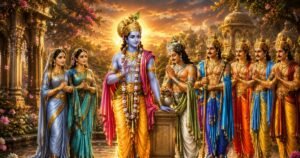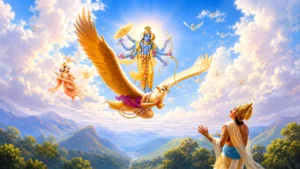

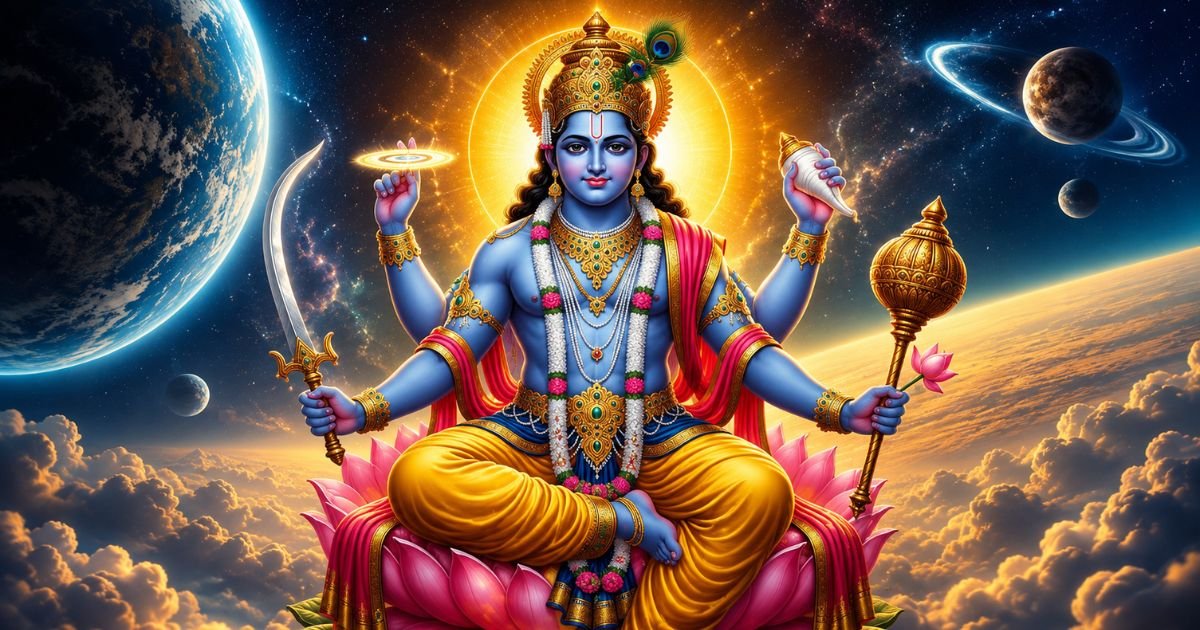
Nirjala Ekadashi is the fast that equals all twenty-four Ekadashis of the year. But why Nirjala Ekadashi is so auspicious? The story is rooted in one of the Pandava – Bhima.
Bhima could fight mighty warriors. He could defeat demons. He could survive exile and a mighty war.
But he could not survive hunger.
While the other Pandavas observed every Ekadashi fast with discipline, Bhima openly admitted that he was unable to remain without food even for a single day. Troubled by this weakness, he approached Maharishi Veda Vyasa and asked a question that would eventually give rise to one of the most sacred vrats in Sanatan Dharma:
“Is there one Ekadashi whose observance grants the fruit of all the others?”
The answer became Nirjala Ekadashi.
Everything You Need to Know About Nirjala Ekadashi 2026
| Full Name | Nirjala Ekadashi, also called Bhimseni Ekadashi, Pandava Nirjala Ekadashi, Papanashini Ekadashi |
| Month & Paksha | Shukla Paksha of Jyeshtha month |
| 2026 Date | June 25, 2026 (Thursday) |
| Paran (Break Fast) | June 26, 2026, 5:47 AM to 8:28 AM (IST, verify with local Panchang) |
| Presiding Deity | Lord Vishnu (in the form of Lord Trivikrama) |
| Fasting Type | Nirjala, without food AND water for 24 hours |
| Scriptural Source | Brahma Vaivarta Purana, Padma Purana, Markandeya Purana |
| Key Story | Bhima and Sage Veda Vyasa (Brahma Vaivarta Purana) |
| Spiritual Fruit | Merit equal to all 24 Ekadashis; moksha; liberation from sin |
What is Nirjala Ekadashi?
Nirjala Ekadashi is the most spiritually powerful of all Ekadashis. It falls on the Shukla Paksha Ekadashi of Jyeshtha month. Devotees fast without food or water for 24 hours. According to the Brahma Vaivarta Purana and Padma Purana, this fast earns the merit of all 24 Ekadashis of the year and grants liberation from sin and moksha.
What is The Meaning and Significance of Nirjala Ekadashi?
Every Ekadashi in the Hindu calendar is sacred. Nirjala Ekadashi stands above them all.
The word “Nirjala” comes from Sanskrit. “Nir” means without, and “Jala” means water. Together, they mean “without water.”
On this day, devotees observe a complete fast. They abstain from both food and water for the full 24 hours. No other Ekadashi requires this level of austerity.
It falls on the Shukla Paksha Ekadashi of the Jyeshtha month. This month sits in the peak of the Indian summer. The heat makes the waterless fast even more demanding.
The Brahma Vaivarta Purana records the story of how this Ekadashi came to be. Sage Veda Vyasa told Bhima that this single fast equals the merit of all 24 Ekadashis of the year.
Because of this,Nirjala Ekadashi is also called Pandava Nirjala Ekadashi, Bhimseni Ekadashi, and Papanashini Ekadashi. “Papanashini” means the destroyer of sins.
When is Nirjala Ekadashi 2026? Tithi, Time and Paran
Nirjala Ekadashi 2026 falls on Thursday, June 25, 2026. This date is confirmed by Drik Panchang, the standard Vedic Panchang reference.
The Ekadashi Tithi begins on June 24 at 6:12 PM IST. It ends on June 25 at 8:09 PM IST. Since the Ekadashi Tithi is present during sunrise on June 25, the fast is observed on that day.
What is Paran and When Should You Break the Fast?
Paran is the ritual of breaking the Ekadashi fast. It must happen on Dwadashi Tithi the following morning. For Nirjala Ekadashi 2026, the Paran window is from 5:47 AM to 8:28 AM on June 26, 2026.
Important Note: TheHari Vasara period is prohibited for breaking the fast. Always check your local Panchang for city-specific timings. Paran windows vary slightly by region.
Why is Nirjala Ekadashi Important?
Nirjala Ekadashi carries an importance that no other Ekadashi holds. Three strong reasons explain this.
1. It Earns the Merit of All 24 Ekadashis
The Brahma Vaivarta Purana records Sage Veda Vyasa’s promise to Bhima directly. He said:
एकैवैकादशी ह्येषा सर्वैकादश्यफप्रदा ।
कर्तव्या सुमहापुण्या भुक्तिमुक्तिफलेच्छुभिः ॥
देवदेव जगन्नाथ शङ्खचक्रगदाधर ।
त्वयैव कथितं कृष्ण सर्वैकादश्यफं भवेत् ॥
Meaning: Oh son, Lord Keshava, Who holds the club, disk, conch and lotus in His hand, personally told me that all of the merit achieved by fasting on whatever Ekadashis falls in one year can be attained by fasting on this one Ekadashi.
Veda Vyasa to Bhima, Brahma Vaivarta Purana (quoted in Hari Bhakti Vilasa 15.25, originally from Padma Purana)
This promise is the foundation of Nirjala Ekadashi’s spiritual significance. One day of sincere fasting grants a full year of Ekadashi merit.
2. It Is the Most Auspicious Day for Lord Vishnu
According to the Markandeya Purana and Vishnu Purana, the Ekadashi Tithi itself is a form of Lord Vishnu. Every Ekadashi is dear to Hari. Tradition holds that Nirjala Ekadashi is His most beloved day of the year.
This Ekadashi is dedicated to Lord Trivikrama, the three-step cosmic form of Vishnu. Worship on this day reaches the Lord most directly, according to tradition.
3. It Destroys Accumulated Sins
The name Papanashini means destroyer of sins. The Brahma Vaivarta Purana states that sincere observance removes sins from previous lives.
Tradition teaches that even a partial observance with full devotion brings the same cleansing power. The Lord values the sincerity of the heart above the strictness of the form.
Nirjala Ekadashi Vrat Katha in Hindi
| # निर्जला एकादशी व्रत कथा सनातन धर्म में एकादशी तिथि को भगवान श्रीहरि विष्णु की उपासना के लिए अत्यंत पवित्र माना गया है। वर्ष भर में आने वाली सभी एकादशियों में ज्येष्ठ शुक्ल पक्ष की निर्जला एकादशी का विशेष महत्व बताया गया है। यह एकादशी तप, संयम, त्याग और पूर्ण समर्पण की प्रतीक मानी जाती है। शास्त्रों में कहा गया है कि जो साधक श्रद्धापूर्वक इस व्रत का पालन करता है, उसे वर्षभर की समस्त एकादशियों के समान पुण्य प्राप्त होता है। इस पावन व्रत की कथा महाभारत काल से जुड़ी हुई है। एक समय परम ज्ञानी महर्षि वेदव्यास ने धर्मराज युधिष्ठिर सहित समस्त पाण्डवों को भगवान विष्णु की कृपा प्राप्त करने हेतु एकादशी व्रत का महात्म्य सुनाया। उन्होंने बताया कि शुक्ल और कृष्ण पक्ष की प्रत्येक एकादशी मनुष्य को धर्म, अर्थ, काम और मोक्ष प्रदान करने वाली है। इन तिथियों में अन्न का त्याग कर श्रीहरि का स्मरण करने से पाप क्षीण होते हैं और अंतःकरण शुद्ध होता है। यह सुनकर धर्मराज युधिष्ठिर ने विनम्रतापूर्वक पूछा, “हे जनार्दन! ज्येष्ठ मास के शुक्ल पक्ष में आने वाली एकादशी का क्या महत्त्व है? कृपया उसका विस्तार से वर्णन कीजिये।” तब भगवान श्रीकृष्ण बोले, “हे राजन्! इस विषय का पूर्ण ज्ञान महर्षि वेदव्यास को है। वे वेदों और समस्त शास्त्रों के तत्त्वज्ञ हैं। वही तुम्हें इस महान व्रत का माहात्म्य सुनाएँगे।” तब वेदव्यासजी ने कहना आरम्भ किया, “हे पाण्डवों! प्रत्येक एकादशी में अन्न ग्रहण करना वर्जित माना गया है। द्वादशी के दिन स्नान करके भगवान केशव का पूजन करना चाहिए तथा ब्राह्मणों को भोजन कराकर स्वयं भोजन ग्रहण करना चाहिए।” व्यासजी की बात सुनकर भीमसेन चिंतित होकर बोले, “हे पितामह! मेरे लिए यह नियम अत्यंत कठिन है। माता कुन्ती, द्रौपदी, अर्जुन, नकुल, सहदेव और स्वयं धर्मराज सभी एकादशी का उपवास करते हैं और मुझे भी उपवास रखने को कहते हैं, किन्तु मुझसे भूख सहन नहीं होती। मेरे उदर में ‘वृक’ नामक अग्नि सदैव प्रज्वलित रहती है। अधिक भोजन करने पर ही वह शांत होती है। अतः मैं प्रत्येक एकादशी का व्रत करने में असमर्थ हूँ।” भीमसेन आगे बोले, “यदि ऐसा कोई एक व्रत हो जिसे करने से वर्षभर की एकादशियों का फल प्राप्त हो जाए, तो कृपा करके मुझे वही बताइये। मैं उसका पालन अवश्य करूँगा।” तब महर्षि वेदव्यास बोले, “हे भीम! ज्येष्ठ मास के शुक्ल पक्ष में आने वाली एकादशी का निर्जल व्रत करो। इस दिन जल तक का त्याग किया जाता है। केवल आचमन के लिए अल्प मात्रा में जल ग्रहण किया जा सकता है। सूर्योदय से लेकर अगले दिन द्वादशी के सूर्योदय तक बिना जल के रहकर जो यह व्रत करता है, वह महान पुण्य का भागी बनता है।” उन्होंने आगे कहा, “इस एक निर्जला एकादशी के व्रत से वर्षभर की समस्त एकादशियों का फल प्राप्त हो जाता है। भगवान श्रीकृष्ण ने स्वयं कहा है कि जो भक्त पूर्ण श्रद्धा से इस व्रत का पालन करता है, वह पापों से मुक्त होकर अंत में विष्णुलोक को प्राप्त होता है।” व्यासजी बोले, “हे भीमसेन! इस व्रत का पालन करने वाले भक्त के समीप भयंकर यमदूत नहीं आते। अंत समय में भगवान विष्णु के पार्षद उसे दिव्य धाम की ओर ले जाते हैं। स्त्री हो या पुरुष, जिसने जीवन में बड़े से बड़े पाप भी किये हों, यदि वह श्रद्धा और संयम के साथ निर्जला एकादशी का व्रत करे, तो श्रीहरि की कृपा से उसके पाप नष्ट हो जाते हैं।” महर्षि ने आगे व्रत की विधि बताते हुए कहा, “एकादशी के दिन प्रातः स्नान करके भगवान विष्णु का ध्यान करना चाहिए। धूप, दीप, पुष्प और तुलसी से श्रीहरि का पूजन करें। दिनभर जप, भजन, विष्णुसहस्रनाम और हरिनाम संकीर्तन में मन लगाना चाहिए। रात्रि में जागरण करना अत्यंत पुण्यदायी माना गया है।” “द्वादशी के दिन स्नान कर ब्राह्मणों को जल, अन्न, वस्त्र, छाता, शैय्या, कमण्डलु अथवा अपनी सामर्थ्य अनुसार दान देना चाहिए। इसके पश्चात भगवान विष्णु की पूजा कर व्रत का पारण करें।” व्यासजी ने कहा, “जो भक्त श्रद्धापूर्वक निर्जला एकादशी की कथा सुनता अथवा सुनाता है, उसे महान पुण्य प्राप्त होता है। यह व्रत मनुष्य को संयम, भक्ति और आत्मनियन्त्रण का मार्ग सिखाता है।” महर्षि की वाणी सुनकर भीमसेन ने उसी दिन इस महान व्रत का संकल्प लिया। तभी से यह एकादशी “भीमसेनी एकादशी” तथा “पाण्डव निर्जला एकादशी” के नाम से भी प्रसिद्ध हुई। शास्त्रों में यह भी वर्णित है कि ज्येष्ठ शुक्ल एकादशी के पावन दिन भगवान श्रीकृष्ण ने देवी रुक्मिणी का हरण कर उनसे विवाह किया था। इसी कारण यह तिथि कुछ स्थानों पर “रुक्मिणी हरण एकादशी” के नाम से भी जानी जाती है। जो साधक श्रद्धा, संयम और भक्ति के साथ निर्जला एकादशी का व्रत करता है, उस पर भगवान श्रीहरि की विशेष कृपा बनी रहती है और उसका जीवन धर्ममय बनता है। ॥ श्रीहरिः ॥ |
Nirjala Ekadashi Vrat Katha in English Summarized
The Nirjala Ekadashi Vrat katha is recorded in the Brahma Vaivarta Purana. It comes through a conversation between Bhimasena and Sage Veda Vyasa, who was also the grandfather of the Pandavas.
The Story: Bhima’s Honest Confession
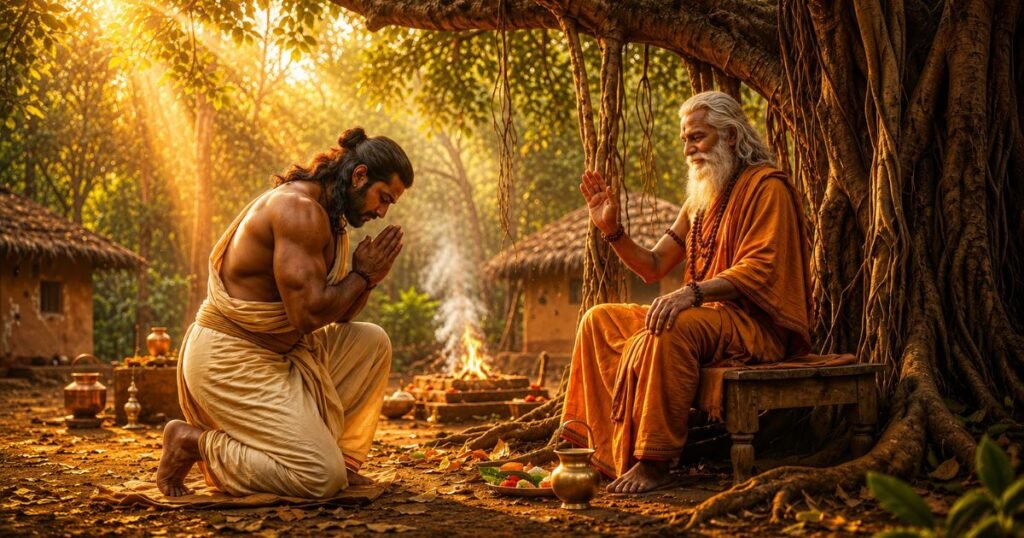
All five Pandava brothers, their mother Kunti, and their wife Draupadi observed every Ekadashi of the year without fail. They fasted on all 24 Ekadashis with complete discipline.
Bhima, the second Pandava, could not match them. He was renowned for his enormous appetite. His digestive fire, known as Vrikodara, was said to demand constant nourishment.
Bhima carried a deep guilt. He wanted to honour Hari like his brothers. But the thought of fasting made him tremble. He could pray, donate, and worship with grand offerings. But going without food was impossible for him.
He approached Sage Veda Vyasa with complete honesty. He said: “Grandfather, I cannot fast on all Ekadashis. I am ready for charity, worship, and prayer. But my stomach will not allow fasting. Please tell me one path that gives me the same result.”
Sage Vyasa listened with compassion. He then revealed the secret of Nirjala Ekadashi.
He told Bhima: Observe one fast on Jyeshtha Shukla Ekadashi without food and without water. This single day of complete austerity earns the merit of all 24 Ekadashis combined.
He instructed Bhima to also perform acts of charity, especially donating water and cool vessels to those suffering from the summer heat. He said the Paran must be done on Dwadashi within the prescribed time.
Bhima accepted the guidance with gratitude. He observed the fast with total resolve. Tradition holds that by this vrat, Bhima earned the spiritual blessings of the entire year’s Ekadashi practice.
This story holds a deeper teaching: Lord Vishnu does not demand the impossible. He meets every devotee at their capacity. For those who cannot fast all year, He offers this one day of supreme grace.
Nirjala Ekadashi Puja Vidhi: Step-by-Step Guide
The Nirjala Ekadashi vrat vidhi covers Dashami preparation, the fast itself, puja, and Paran on Dwadashi.
Dashami: Preparation on the Day Before
1. Eat one simple, sattvic meal before sunset on Dashami (June 24). Avoid rice, meat, onion, garlic, and tamasic food.
2. Set a clear Sankalpa: a sincere intention to observe the complete Nirjala Ekadashi fast for Lord Vishnu’s blessings.
3. Prepare your puja area: Clean the altar, set up Lord Vishnu’s image or Shaligram, and arrange flowers, tulsi, anda ghee lamp.
On Ekadashi Day: June 25, 2026
1. Wake up before sunrise during Brahma Muhurta. Take a sacred bath. Wear clean, yellow or white clothing.
2. Begin the fast at sunrise. The Nirjala fast means no food and no water throughout the day and night.
3. Offer puja to Lord Vishnu. Place tulsi leaves, yellow flowers, sandalwood, and fruits before the Lord. Light a ghee lamp.
4. Recite the Vishnu Sahasranama in the morning. Even one complete recitation on this day carries deep merit.
5. Read or listen to the Nirjala Ekadashi story of Bhima from the Brahma Vaivarta Purana during the day.
6. Chant “Om Namo Bhagavate Vasudevaya” 108 times throughout the day. Use a tulsi mala for the count.
7. Donate cool water, sherbet, and umbrellas to travellers or those suffering from the summer heat. This is a traditional charity specific to this Ekadashi.
8. Stay awake through the night. Observe Jagaran by singing bhajans, reciting stotras, or listening to Vishnu Katha.
How To End Nirjala Ekadashi Vrat?
1. Perform a brief morning puja to Lord Vishnu. Offer thanks for the strength He provided throughout the fast.
2. Break the fast within the Paran window: 5:47 AM to 8:28 AM on June 26, 2026 (check your local Panchang).
3. Feed a Brahmin or a needy person before eating yourself, if possible. Offer them food with reverence.
4. Eat a light, sattvic meal. Keep the mood of gratitude alive throughout Dwadashi.
Nirjala Ekadashi Fasting Rules: Complete Dos and Don’ts
The Nirjala Ekadashi rules for fasting are clear and firm. Follow them with sincerity and devotion.
What to Do?
- Fast completely without food and water from sunrise to sunrise
- Take a bath before sunrise on Ekadashi
- Recite Vishnu Sahasranama and Vishnu Stotras
- Offer tulsi, yellow flowers, and a ghee lamp to Lord Vishnu
- Read or listen to the Nirjala Ekadashi Vrat Katha
- Donate cool water, fans, or umbrellas to those in need
- Stay awake at night in devotional vigil (Jagaran)
- Break the fast only during the Paran window on Dwadashi
What to Avoid?
- Eating rice on Dashami evening and Ekadashi day
- Drinking water during the Nirjala fast
- Consuming meat, fish, onion, garlic, or alcohol
- Sleeping during the day on Ekadashi
- Speaking harsh words, lying, or gossiping
- Using oil for bathing or cooking on this day
- Cutting hair or nails on Ekadashi
- Breaking the fast before the Paran window opens
Can We Drink Water on Nirjala Ekadashi?
No. The word “Nirjala” literally means “without water.” The fast requires complete self-restrain from both food and water for 24 hours. This is what distinguishes it from all other Ekadashis. However, tradition does allow sick devotees, elderly persons, pregnant women, or those on medication to observe a partial fast. The Lord Vishnu values Bhakti-bhaav (devotion) over strict physical form. Consult a trusted Pandit about fasting if you have health concerns.
What If You Cannot Observe the Full Nirjala Fast?
Those who cannot observe the full Nirjala fast may observe a fruit-and-water fast instead. Even this partial observance, done with sincere devotion, earns significant spiritual merit. Sage Vyasa’s instruction to Bhima was based on Bhima’s capacity. The Lord meets each devotee at their level. Perform what you sincerely can. Shri Hari sees the heart first.
Who Should Avoid Nirjala Ekadashi?
Nirjala Ekadashi is the most demanding fast in Sanatan Dharma because it also falls in the peak heat of the Jyeshtha month. This combination makes the vrat physically intense. Hindu scriptures are clear: no devotee should compromise their health for religious observance. The ISKCON itself confirms that pregnant women, the elderly, and those who are seriously ill are not required to observe a physical fast.
The following groups should either avoid the Nirjala Ekadashi fasting without water or consult a doctor and a trusted Pandit before attempting it.
- Pregnant women and nursing mothers. The body requires steady nutrition and hydration during pregnancy. A complete Nirjala fast poses risk to both mother and child. Tradition recognizes this. Pregnant and nursing women may offer prayer, light a ghee lamp, and chant Lord Vishnu’s names. That devotion holds full merit.
- Children under the age of 16. Young bodies are still developing. A waterless fast in summer heat is not appropriate for children. Parents may introduce them to partial Ekadashi practices as a gentle foundation for lifelong devotion.
- Elderly individuals, especially above 55. Dehydration during the summer months can become dangerous quickly for older devotees. Those with any pre-existing weakness should observe a modified fast with medical guidance and avoid the Nirjala form.
- Those with diabetes. Going without water and food for an extended period can cause dangerous fluctuations in blood sugar levels. Diabetic devotees should not attempt the Nirjala Ekadashi fast without explicit clearance from their physician.
- Those with kidney disease or heart conditions. Both conditions require consistent hydration and medication schedules. A 24-hour waterless fast disrupts these requirements. Tradition does not ask devotees to endanger their bodies in the name of piety.
- Those on regular medication. Many medicines require water and food for safe absorption. Skipping both creates health risk. Speak to your doctor before deciding.
- Those fasting for the very first time. Jumping directly to the Nirjala form without prior experience is not advisable. Begin with a grain-free Ekadashi fast. Gradually build the practice over time. The Lord honours consistent effort over sudden extremes.
What Can These Devotees Do Instead?
- Observe a Phalahar fast, taking only fruits, milk, and water.
- Chant the Vishnu Sahasranama or “Om Namo Bhagavate Vasudevaya” throughout the day.
- Perform a sincere Vishnu Puja with tulsi, ghee lamp, and flowers.
- Donate cool water, food, or cloth to those in need.
- Listen to or read the Nirjala Ekadashi story of Bhima from the Brahma Vaivarta Purana.
Remember: Bhima himself went to Sage Vyasa because he could not fast like his brothers. The Lord found a way for him. He finds a way for every sincere soul.
What are the Benefits of Nirjala Ekadashi Fast?
The Nirjala Ekadashi benefits span the spiritual, material, and karmic planes. Scripture and tradition confirm each of these.
1. Merit of All 24 Ekadashis: According to the Brahma Vaivarta Purana, this one fast earns the complete spiritual merit of all Ekadashis in a year. Veda Vyasa confirmed this directly to Bhima.
2. Liberation from Sin: The Padma Purana says sincere observance removes accumulated sins. Tradition believes this includes karmic burdens carried across many births.
3. Attainment of Moksha: According to the Markandeya Purana, the observer of Nirjala Ekadashi is taken by Vishnu’s messengers to Vaikuntha after this life.
4. Lord Vishnu’s Direct Blessings: Tradition holds that Lord Vishnu personally blesses this fast. He grants peace, prosperity, fulfilment of righteous desires, and long life.
5. Purification of Mind and Soul: The strict austerity of the Nirjala fast cleanses the mind deeply. Devotees report sustained inner clarity and emotional steadiness after this vrat.
6. Spiritual Willpower: Completing 24 hours without food or water in summer strengthens self-discipline in ways that carry forward into daily life and sadhana.
Those who complete the vrata of Nirjala Ekadashi gain the favour of Vishnu. He grants them happiness, prosperity, and forgiveness for their sins. The observer gains longevity and salvation. Markandeya Purana and Vishnu Purana, as cited in traditional Nirjala Ekadashi Mahatmya
Nirjala Ekadashi Daan: What to Donate?
Charity on Nirjala Ekadashi is considered especially powerful. The Brahma Vaivarta Purana says Sage Vyasa specifically instructed Bhima to donate on this day. Because this Ekadashi falls in the peak of summer, tradition emphasizes donations that relieve heat and suffering.
| Daan Item | Sanskrit Name | Why It Is Special on This Day |
| Cool water and clay pots | Jal Daan / Ghata Daan | Specifically prescribed by Sage Vyasa for this day. Giving water to the thirsty in summer heat directly mirrors the spirit of the Nirjala fast. |
| Food | Anna Daan | Considered the highest form of daan. Feeding a Brahmin or the poor on Dwadashi morning before Paran earns multiplied merit. |
| Umbrella or fan | Chhatra Daan | Traditional charity specific to the Jyeshtha summer Ekadashi. Offering shade tools honours the season’s hardship. |
| Footwear | Paduka Daan | Donating sandals or footwear protects the recipient from the hot summer ground and is considered highly auspicious on this day. |
| Cloth | Vastra Daan | Offering clean clothing to a Brahmin or a needy person earns lasting punya connected to Lord Vishnu worship. |
| Tulsi plant or seeds | Tulsi Daan | Donating a Tulsi plant is deeply pleasing to Lord Vishnu. Tradition holds it multiplies the merit of the entire Ekadashi fast. |
Conclusion: The Nirjala Ekadashi That Bhima Kept
Bhima was not a perfect devotee by the standards of rigid discipline. He went to his grandfather and admitted he could not fast. He asked for help honestly. And Lord Vishnu, through the compassion of Sage Vyasa, gave him a path. One day. One complete fast. One full year of merit.
That is the spirit of Nirjala Ekadashi. It is not designed only for the spiritually perfect. It is a gift for every sincere soul who turns toward Hari with a willing heart. On June 25, 2026, Hari offers this rare day again. Observe it with love, with gratitude, and with trust in His grace.
Om Namo Bhagavate Vasudevaya
Frequently Asked Questions About Nirjala Ekadashi 2026
1. Why is Nirjala Ekadashi called the most powerful Ekadashi?
Nirjala Ekadashi is considered the most powerful because a single day of this fast earns the merit of all 24 Ekadashis of the year. This is confirmed in the Brahma Vaivarta Purana when Sage Veda Vyasa reveals it to Bhima. No other Ekadashi carries this level of accumulated spiritual reward. It is also one of the most physically demanding vrats, observed without food or water in peak summer heat.
2. Can elderly or sick people observe Nirjala Ekadashi?
Yes, but with modification. Tradition allows elderly persons, those with medical conditions, pregnant women, or those taking medication to observe a partial fast. A fruit-and-water fast, or even a simple prayer with deep devotion, earns the Lord’s blessings. The scripture emphasizes devotion over physical strictness. Consult a trusted Pandit or your doctor if you have health concerns.
3. What is the significance of donating water on Nirjala Ekadashi?
Sage Veda Vyasa specifically instructed Bhima to donate cool water, clay pots, fans, and umbrellas on this day. Because the fast falls in the summer month of Jyeshtha, giving water to the thirsty directly mirrors the spirit of the Nirjala vrat. This act of Nirjala Ekadashi daan carries a special spiritual resonance beyond all other forms of charity on this particular day.
4. What happens if you break the Nirjala Ekadashi fast accidentally?
If the fast breaks accidentally, tradition advises sincere repentance and prayer to Lord Vishnu. Offer a ghee lamp, recite the Vishnu Sahasranama, and recommit to completing the day with devotion. The Lord values the sincerity of intention. One accidental lapse does not nullify the spiritual effort of the entire observance. You may also plan to complete a full Nirjala fast on the next Ekadashi with renewed resolve.
5. What is the difference between Nirjala Ekadashi and other Ekadashis?
Most Ekadashis require fasting from food but allow water and fruit. Nirjala Ekadashi fasting without water is the defining difference. No other Ekadashi requires the complete abstinence from both food and water. Additionally, no other Ekadashi earns the merit of the full annual Ekadashi cycle. Its position in the peak of summer adds a further dimension of austerity that no other Ekadashi shares.
6. Is Nirjala Ekadashi the same as Bhimseni Ekadashi?
Yes. Nirjala Ekadashi is also called Bhimseni Ekadashi or Pandava Bhima Ekadashi. All three names refer to the same Ekadashi: the Shukla Paksha Ekadashi of Jyeshtha month. The name Bhimseni comes from the story of Bhima and Sage Veda Vyasa recorded in the Brahma Vaivarta Purana.
7. What should I eat to break the Nirjala Ekadashi fast on Paran day?
After completing Paran within the prescribed window (5:47 AM to 8:28 AM on June 26, 2026), eat a light, sattvic meal. Start with water, then prasad or fruit. A full meal of rice, dal, and vegetables is appropriate later in the morning. Avoid heavy, tamasic food on Dwadashi. Feed a Brahmin or someone in need before eating yourself, if possible.
To know all Ekadashi dates and fasting schedules in 2026, visit our complete Ekadashi Vrat Calendar 2026.
The journey does not end here. Follow MFC on Instagram and Facebook to explore more sacred places, festivals, and living traditions of Sanatan Dharma.