
What is Parama Ekadashi, and why is it considered one of the most powerful Ekadashis in Sanatan Dharma?
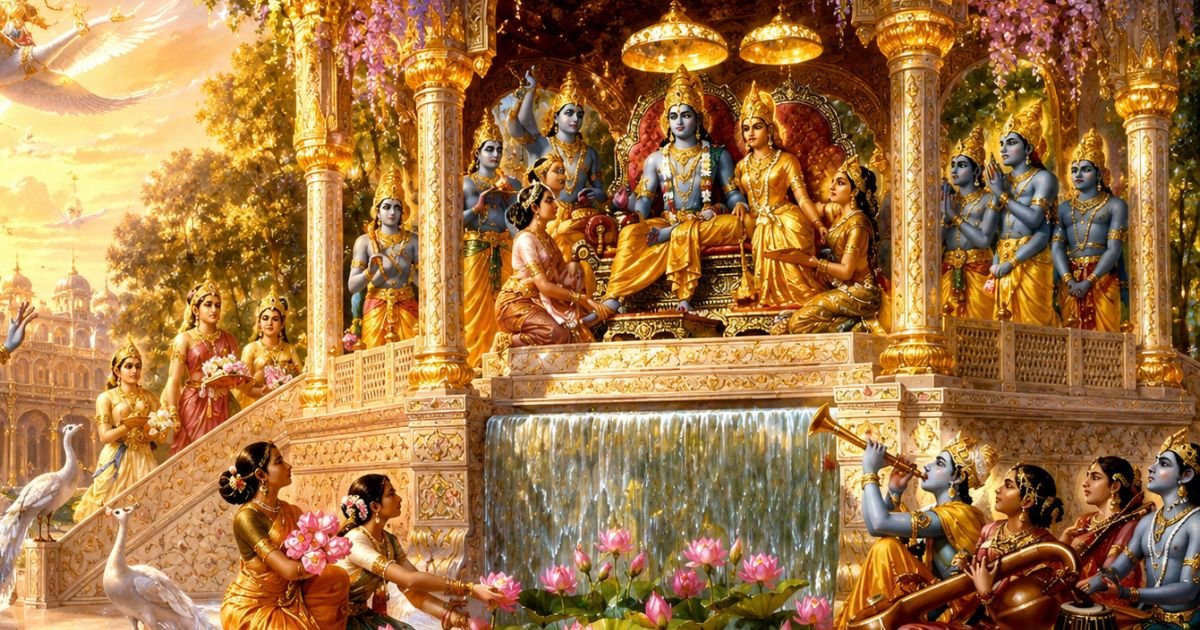
Parama Ekadashi is a rare and sacred fasting day dedicated to Lord Vishnu, observed during Adhik Maas or Purushottam Maas. According to the Skanda Purana, this Ekadashi holds extraordinary spiritual merit and is believed to help devotees overcome suffering, purify accumulated karma, and deepen Vishnu bhakti.
The Parama Ekadashi vrat katha, narrated by Shri Krishna to Yudhishthira, highlights the transformative power of sincere fasting, prayer, and devotion on this sacred day.
By the end of this blog, you will know the meaning of Parama Ekadashi, its vrat katha, fasting rules, spiritual significance, benefits, and scriptural importance in Hindu tradition.
Parama Ekadashi: Everything You Need To Know
Here is a quick overview before we go deeper.
| Detail | Information |
| Full Name | Parama Ekadashi (also called Parama Shuddha Ekadashi) |
| Timing | Krishna Paksha (dark fortnight) of Adhik Maas / Purushottam Maas |
| Frequency | Once every 3 years or around 32 months(when Adhik Maas occurs) |
| Presiding Deity | Lord Vishnu (Purushottam) |
| Scriptural Source | Skanda Purana, narrated by Shri Krishna to Yudhishthira |
| Primary Benefit | Removal of sins and poverty; liberation (moksha) after death |
| Associated Practice | Pancharatrika Vrat (5-day fast) begins after Ekadashi |
| Key Story Characters | Brahmin Sumedha, his wife Pavitra, Sage Kaundinya |
What is Parama Ekadashi?
Parama Ekadashi is the Ekadashi of the Krishna Paksha in Adhik Maas. The word “Parama“ means supreme or highest. It reflects the elevated spiritual status of this vrat.
The Hindu lunar calendaroccasionally gains an extra month. This happens to align the lunar year with the solar cycle.
This extra month is called Adhik Maas or Purushottam Maas. Lord Vishnu claimed it as His own. According to the Padma Purana, the month had no presiding deity initially. The other months had ruling devas, but this one did not.
Narayana took it under His protection. He gave it His own name, Purushottam. That single act transformed an overlooked month into the most sacred one. According to traditions, this Ekadashi vrat absorbs the merit of all other Ekadashis.
What is the Meaning of Parama Ekadashi As Per the Skanda Purana?
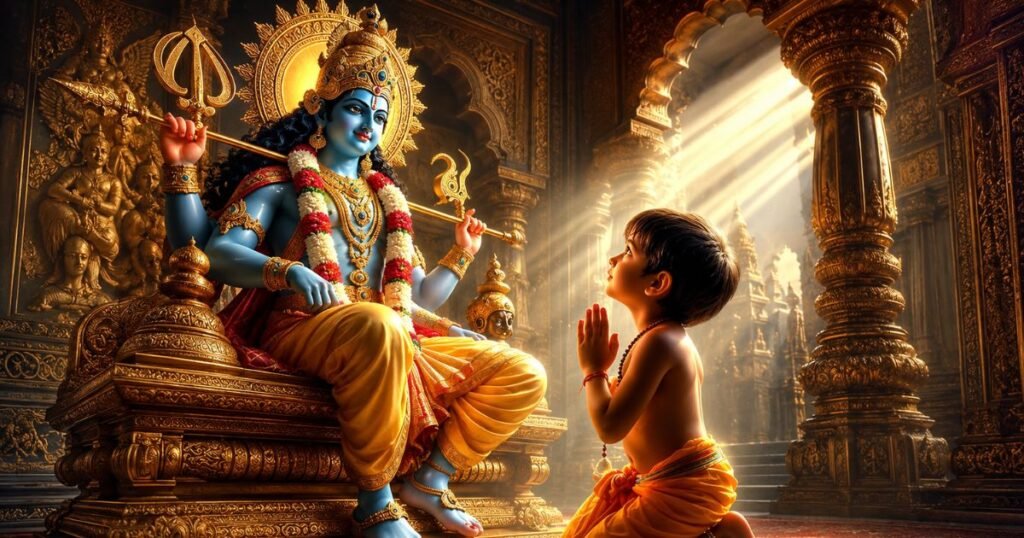
“Parama” comes from Sanskrit, meaning supreme, ultimate, or the highest. “Ekadashi” means the eleventh tithi (lunar day). Together, Parama Ekadashi translates as the Eleventh of the Highest order.
The Skanda Purana explains the name directly. Shri Krishna tells Yudhishthira:
श्रेष्ठा ह्येकादशी ह्येषा सर्वपापप्रणाशिनी ।
अतोऽस्या परमेत्युक्तं नाम लोके भविष्यति ॥
(Parama Ekadashi Mahatmya, Skanda Purana)
“This fast day, which occurs during the dark part of the extra leap-year month, is known as Parama Ekadashi. It is the topmost day of Lord Vishnu, hence the name Parama.”
(Skanda Purana, as narrated in the Parama Ekadashi Mahatmya)
This name confirms that Parama Ekadashi is not just another Ekadashi. It occupies a distinct rank above all others.
What are Parama Ekadashi 2026 Date and Timing?
Parama Ekadashi falls on the 11th tithi of the Krishna Paksha in Adhik Maas. In 2026, Parama Ekadashi will be observed on Thursday, June 11. Since Adhik Maas appears only once every 32 to 33 months, Parama Ekadashi is considered among the rarest and most spiritually significant Ekadashis dedicated to Lord Vishnu.
It is one of the rarest Ekadashis in Sanatan Dharma. Devotees observe the vrat on the Ekadashi tithi and break the fast during the prescribed Parana time on Dwadashi.
| Detail | Timing |
| Parama Ekadashi Date | Thursday, June 11, 2026 |
| Ekadashi Tithi Begins | 12:57 AM on June 11, 2026 |
| Ekadashi Tithi Ends | 10:36 PM on June 11, 2026 |
| Parana Date | Friday, June 12, 2026 |
| Parana Time | 05:23 AM to 08:10 AM |
| Dwadashi Ends | 07:36 PM on June 12, 2026 |
Devotees traditionally begin the fast at sunrise on Ekadashi and conclude it after Parana on Dwadashi morning. The Hari Vasara period is considered especially auspicious for Vishnu worship, mantra chanting, and scriptural recitation.
Parama Ekadashi Vrat Katha in Hindi
| परमा एकादशी व्रत कथा (स्कन्द पुराण आधारित पारंपरिक कथा) युधिष्ठिर ने भगवान श्रीकृष्ण से पूछा: “हे जनार्दन! अधिक मास के कृष्ण पक्ष में आने वाली एकादशी का क्या नाम है? उसकी विधि और महिमा क्या है? कृपा करके उसका वर्णन कीजिए।” भगवान श्रीकृष्ण बोले: “हे धर्मराज! उस एकादशी का नाम ‘परमा एकादशी’ है। यह समस्त पापों का नाश करने वाली और मोक्ष प्रदान करने वाली है। अब मैं तुम्हें इसकी पवित्र कथा सुनाता हूँ, जिसे सुनने मात्र से मनुष्य पुण्य प्राप्त करता है।” प्राचीन समय में कम्पिल्य नगर में सुमेधा नाम का एक ब्राह्मण रहता था। वह अत्यंत धर्मात्मा, सत्यवादी और विष्णु भक्त था। उसकी पत्नी का नाम पवित्रा था। वह पतिव्रता, साध्वी और अत्यंत धर्मपरायण स्त्री थी। किन्तु पूर्व जन्म के कर्मों के कारण वे दोनों अत्यंत निर्धन थे। सुमेधा प्रतिदिन भिक्षा माँगने जाता, परंतु कई बार उसे कुछ भी प्राप्त नहीं होता था। घर में अन्न का अभाव रहता, फिर भी पवित्रा कभी दुखी नहीं होती थी। अतिथि आने पर वह पहले उन्हें भोजन कराती और स्वयं भूखी रह जाती। एक दिन अत्यधिक गरीबी से दुखी होकर सुमेधा ने अपनी पत्नी से कहा: “मैं किसी दूसरे देश में जाकर धन कमाना चाहता हूँ। संभव है वहाँ हमारा जीवन सुधर जाए।” तब पवित्रा ने विनम्रता से कहा: “हे स्वामी! मनुष्य को वही धन प्राप्त होता है जो उसने पूर्व जन्म में दान और पुण्य के रूप में अर्जित किया हो। यदि भाग्य में धन नहीं है, तो दूसरे देश जाने से भी लाभ नहीं होगा। जो भगवान की इच्छा होगी, वही यहाँ भी प्राप्त हो जाएगा।” पत्नी के वचनों को सुनकर सुमेधा ने विदेश जाने का विचार त्याग दिया। कुछ समय बाद महर्षि कौण्डिन्य उनके घर पधारे। सुमेधा और पवित्रा ने अत्यंत श्रद्धा से उनका स्वागत किया। अपनी सामर्थ्य के अनुसार उन्हें भोजन और आसन अर्पित किया। उनकी सेवा से प्रसन्न होकर पवित्रा ने हाथ जोड़कर कहा: “हे मुनिवर! कृपा करके ऐसा उपाय बताइए जिससे हमारी दरिद्रता और दुःख दूर हो जाए।” तब महर्षि कौण्डिन्य बोले: “अधिक मास के कृष्ण पक्ष में आने वाली ‘परमा एकादशी’ अत्यंत पुण्यदायिनी है। इस व्रत के प्रभाव से समस्त पाप नष्ट हो जाते हैं और दरिद्रता दूर होती है। जो भक्त श्रद्धा से यह व्रत करता है, उसे भगवान विष्णु की कृपा प्राप्त होती है।” उन्होंने आगे कहा: “इस दिन उपवास करके भगवान विष्णु का पूजन करना चाहिए, रात्रि में जागरण करना चाहिए, भजन-कीर्तन करना चाहिए और द्वादशी को विधिपूर्वक पारण करना चाहिए। जो ऐसा करता है, वह सुख, समृद्धि और अंत में मोक्ष प्राप्त करता है।” महर्षि ने उन्हें पंचरात्रि व्रत की महिमा भी बताई, जो द्वादशी से आरंभ होकर पाँच दिनों तक किया जाता है। सुमेधा और पवित्रा ने पूर्ण श्रद्धा और नियमपूर्वक परमा एकादशी व्रत किया। व्रत के प्रभाव से कुछ ही समय बाद एक राजकुमार उनके घर आया। भगवान की प्रेरणा से उसने उन्हें रहने के लिए सुंदर घर और जीविका के लिए एक गाँव दान में दे दिया। उनकी दरिद्रता समाप्त हो गई। वे दोनों सुखपूर्वक भगवान विष्णु की भक्ति करते हुए जीवन व्यतीत करने लगे। अंत समय में वे दोनों भगवान विष्णु के परम धाम वैकुण्ठ को प्राप्त हुए। भगवान श्रीकृष्ण ने अंत में कहा: “हे युधिष्ठिर! जो मनुष्य श्रद्धा और भक्ति से परमा एकादशी का व्रत करता है, वह समस्त पापों से मुक्त होकर अंत में भगवान विष्णु के धाम को प्राप्त होता है।” ॥ इति श्री स्कन्दपुराणे परमा एकादशी व्रत कथा समाप्त ॥ |
The Story of Parama Ekadashi
The Parama Ekadashi vrat katha is found in the Skanda Purana. Shri Krishna narrates it to King Yudhishthira. When Yudhishthira asks about the Ekadashi of the Krishna Paksha in Adhik Maas, Shri Krishna responds with this story. He says he heard it from a great sage in the city of Kampilya.
The Story of Brahmin Sumedha and His Wife Pavitra
In the city of Kampilya, a Brahmin named Sumedha lived with his devoted wife, Pavitra.
Despite their deep faith, they lived in great poverty. Sumedha would beg from wealthy households but received very little.
Pavitra, ever selfless, would give their food to guests and go hungry herself. Her devotion remained unshaken. One day, Sumedha told Pavitra he wanted to travel to distant lands in search of work and wealth.
Pavitra counselled him with wisdom. She reminded him that a person’s wealth in this life reflects the charity given in previous lives. She said, “Please stay with me. Whatever we are due to receive will come to us here, in time.” Sumedha accepted her wisdom and stayed.
Some days passed. Then the great Sage Kaundinya arrived at their humble home as a guest. Sumedha and Pavitra welcomed him with deep reverence. Pavitra served the sage with whatever she had. The sage felt their sincerity and compassion.
Pavitra then asked with great humility: “O revered sage, please show us a path out of this poverty.“
Sage Kaundinya reflected for a moment. Then he revealed the sacred vrat.
“There is a fast day very dear to Lord Hari. Fasting on this day nullifies all kinds of sins and removes all miseries caused by poverty. This fast day, which occurs during the dark part of the extra, leap-year month, is known as Parama Ekadashi. It is the topmost day of Lord Vishnu, hence the name Parama.”
(Sage Kaundinya, as recorded in the Skanda Purana)
The Sage Reveals Two Sacred Examples
Sage Kaundinya shared two precedents to strengthen their faith. First, he told them that Kubera, the treasurer of the devas, had once observed Parama Ekadashi faithfully. Lord Shiva, pleased by his devotion, elevated him to the position of treasurer of heaven.
Second, he told them that King Harishchandra observed this fast after his wife and son were sold in misfortune. The power of the vrat helped him regain both. The sage then explained the Pancharatrika Vrat that follows the Ekadashi. He instructed them on the five-day fast beginning on Dwadashi.
The Result of Their Faith
Sumedha and Pavitra followed the sage’s instructions completely. They observed Parama Ekadashi with full discipline and faith. Scriptures tells us that shortly after completing the vrat, a prince arrived at their door. He came, according to the story, inspired by Lord Brahma.
The prince gifted them a beautiful home and an entire village as their livelihood. Their poverty vanished. Shri Krishna then tells Yudhishthira: “One who fasts on this day has also completed offerings to his forefathers in Gaya. He has, in effect, fasted on all other auspicious days.”
After many years of happy and righteous living, Sumedha and Pavitra both departed for the supreme abode of the Lord. Tradition holds that they attained Vaikuntha.
“Whoever, after taking a proper bath, observes a fast on these two extra-month Ekadashis will go to heaven and finally attain to the abode of Shri Vishnu, and as he travels there he will be praised by all the demigods.”
(Skanda Purana, Parama Ekadashi Mahatmya)
Why Is Parama Ekadashi Important in Hinduism?
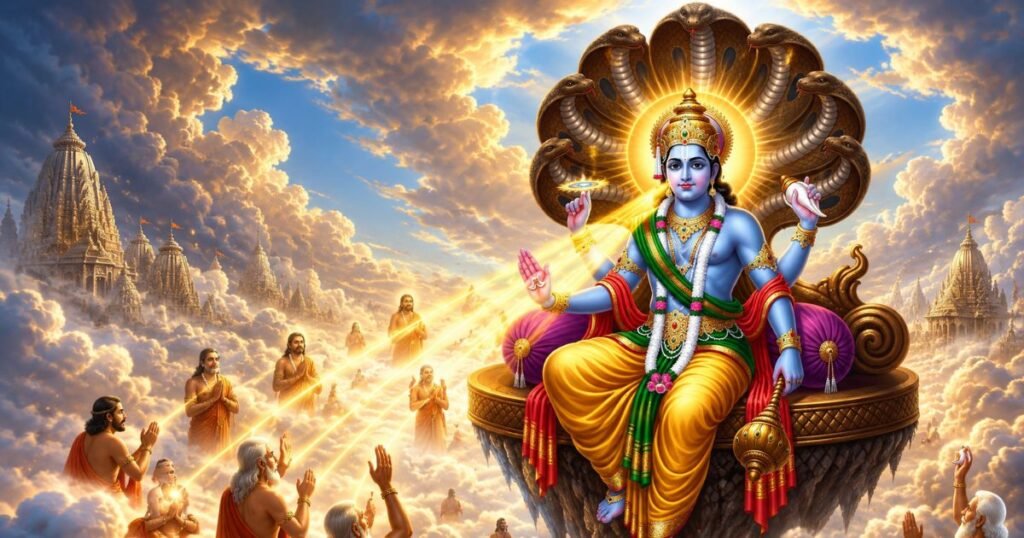
Parama Ekadashi is so important because it belongs to the Month Claimed by Lord Vishnu. According to the Padma Purana, Narayana stepped forward and claimed this month as His own. He called it Purushottam Maas.
Any Vishnu bhakti performed in this month earns extraordinary merit. The Ekadashi within it becomes the crown of all vrats.
1. Its Merit Equals All Annual Ekadashis
Hindu tradition holds that observing Parama Ekadashi earns merit equal to all 24 annual Ekadashis combined. Shri Krishna confirms in the Skanda Purana: “He has, in effect, fasted on all other auspicious days.” Devotees who cannot fast on every Ekadashi through the year find this especially significant.
2. It Carries the Power of the Ashwamedha Yajna
According to the Padma Purana, some traditions hold that the merit of Adhik Maas Ekadashi equals performing the Ashwamedha Yajna. Scholars note this varies by textual source and tradition. The Ashwamedha Yajna is among the most elaborate Vedic fire sacrifices. The comparison conveys the extraordinary weight of this Ekadashi.
3. It Opens the Path to Vaikuntha
The Skanda Purana states that devotees who observe Parama Ekadashi attain Vaikuntha after this life. Vaikuntha is the eternal abode of Hari. It is the highest liberation a soul can attain according to Vaishnava theology.
How to Observe the Vrat? Parama Ekadashi Fasting Rules
Knowing the Parama Ekadashi fasting rules ensures the vrat delivers its full spiritual result.
Dashami: Preparation the Day Before
- Eat one simple, sattvic fasting-appropriate meal on Dashami.
- Avoid non-vegetarian food, onion, garlic, and excessive salt.
- Speak truthfully and maintain inner calm.
- Set a clear intention to observe the vrat for the Lord’s blessings.
On Ekadashi Day
- Begin the fast at sunrise. Some traditions allow fruit and water; others observe Nirjala (waterless) for deeper merit.
- Bathe early, wear clean clothes, and offer prayers to Lord Vishnu.
- Recite Vishnu Sahasranama, Vishnu Stotras, or the Hare Krishna Mahamantra throughout the day.
- Read or listen to the Parama Ekadashi story from the Skanda Purana at least once.
- Light a ghee lamp before the Lord’s image. Offer tulsi leaves, yellow flowers, and fruits.
- Tradition recommends staying awake through the night. Sing bhajans and read scriptures during Hari Vasara.
- Avoid sleeping during the day. Keep the mind turned toward the Lord.
On Dwadashi: Breaking the Fast (Parana)
- The fast breaks only after Parana within the Dwadashi tithi.
- Parana must not extend into Trayodashi. Check the local Panchang for exact timing.
- Feed a Brahmin or a devotee before eating yourself, if possible.
- The Pancharatrika Vrat begins from Dwadashi for those who wish to observe the extended five-day practice.
What to Avoid on Parama Ekadashi?
- Avoid rice on both Dashami and Ekadashi. This is a firm rule in Ekadashi fasting rituals.
- Do not speak harsh words, lie, or engage in arguments.
- Avoid meat, fish, alcohol, and tobacco strictly.
- Do not use oil (sesame and mustard) for bathing or cooking on this day.
- Avoid cutting hair or nails.
What are the Benefits of Parama Ekadashi Vrat?
The benefits of observing Parama Ekadashi vrat span the material, mental, and spiritual planes. Tradition and scripture affirm these consistently.
Does Parama Ekadashi Remove Sins?
Yes, according to the Skanda Purana, Shri Krishna tells Yudhishthira that this fast removes all kinds of sins. Sage Kaundinya says in the vrat katha: “Fasting on this day nullifies all kinds of sins and removes all miseries caused by poverty.”
Tradition believes this includes sins carried across multiple births. The fast combined with genuine repentance is said to accelerate spiritual cleansing.
Spiritual Benefits
- Liberation from accumulated karma, according to Vaishnava tradition.
- Attainment of Vaikuntha blessings as confirmed in the Skanda Purana.
- Deepened connection with Lord Vishnu through dedicated Vishnu bhakti.
- Inner peace, mental clarity, and purification of mind and soul.
- Spiritual advancement on the path of dharma and self-discipline.
Material Benefits
- Relief from poverty and financial hardship (as shown in the vrat katha).
- Protection and wellbeing of family through divine grace.
- Fulfillment of sincere, righteous desires.
- Tradition associates this vrat with the stories of Kubera and Harishchandra, both of whom received divine support.
Mental Benefits
- Sattvic fasting reduces mental agitation and strengthens willpower.
- Devotional practice on this day brings emotional steadiness.
- Continuous recitation of Vishnu Sahasranama calms the mind deeply.
How to Worship Lord Vishnu on Parama Ekadashi?
Tradition teaches that worship performed on Parama Ekadashi carries extraordinary spiritual significance.
Morning Worship
- Wake up before sunrise. Bathe and wear clean, preferably yellow, clothing.
- Set up a clean altar with Lord Vishnu’s image or the Shaligram.
- Offer tulsi, yellow flowers, sandalwood paste, and a lit ghee lamp.
- Perform Vishnu Sahasranama recitation with full attention.
Afternoon Worship
- Read or listen to the Parama Ekadashi story from the Skanda Purana aloud.
- Offer water and fruits to the Lord during midday prayers.
- Spend time in quiet meditation on Purushottam’s form.
Evening and Night Worship
- Perform Sandhya Aarti at sunset.
- Sing Vishnu bhajans or listen to Bhagavata Purana recitations.
- Stay awake during Hari Vasara and continue chanting.
- Recite “Om Namo Bhagavate Vasudevaya” 108 times before resting.
Conclusion: A Rare Gift from the Preserver
Parama Ekadashi is not a routine observance. It is a rare gift the divine calendar offers to sincere seekers. Lord Vishnu chose Purushottam month as His own. He placed this Ekadashi as its highest offering.
When this day arrives, it carries the weight of the Skanda Purana’s promise and the grace of the entire Adhik Maas. Tradition tells us that Sumedha and Pavitra had nothing but devotion. That was enough. Hari responded.
Observe it with love. Chant His names with a quiet, steady heart. Let Vishnu bhakti fill every moment of this sacred day. According to scripture, those who fast sincerely on Parama Ekadashi walk closer to Vaikuntha. All the Lord asks for is a sincere heart.
Frequently Asked Questions (FAQs)
1. Can I eat fruits and milk on Parama Ekadashi?
Yes. Most traditions allow fruit, milk, and dry fruits during the fast. The strictest form is Nirjala (no water). Your capacity and tradition determine the approach. Consult a trusted Pandit if unsure.
2. What if I accidentally break the Parama Ekadashi fast?
Tradition advises performing a simple prayaschitta (atonement). Offer sincere prayers to Hari and resolve to observe more carefully next time. Scriptures emphasize intention as much as form.
3. Can pregnant women or elderly people observe this vrat?
Health-sensitive individuals should observe the vrat according to their capacity. Tradition allows partial fasting or fruit-only fasting. The Lord values devotion over physical rigidity.
4. Is Parama Ekadashi and Padmini Ekadashi the same?
No. Both occur in Adhik Maas. Padmini Ekadashi falls in the Shukla Paksha (bright fortnight). Parama Ekadashi falls in the Krishna Paksha (dark fortnight). Both are sacred, but they are distinct observances.
5. What is the Pancharatrika Vrat connected to Parama Ekadashi?
The Pancharatrika Vrat is a five-day extended fast that begins on Dwadashi after Parama Ekadashi. Sage Kaundinya recommended it in the Skanda Purana katha. Tradition holds that it removes all abominable sins when observed with discipline.
6. Can I observe Parama Ekadashi even if I missed fasting before?
Yes. This is one of the key reasons the Adhik Maas significance is celebrated so widely. The month of Purushottam specifically provides a rare opportunity for spiritual renewal regardless of past observances.
7. What time should Parana (breaking the fast) happen?
Parana must fall within the Dwadashi tithi on the morning after Ekadashi. Breaking it after Trayodashi begins is not recommended. Check the local Panchang for the correct window on the specific day.
8. Is Parama Ekadashi good for ancestral rites?
According to the Skanda Purana, observing Parama Ekadashi is believed to bring peace and spiritual benefit to one’s ancestors, much like performing sacred rituals at Gaya, one of the holiest places for ancestral prayers in Hindu tradition.
Also Read:
- Jyeshtha Adhik Amavasya 2026: Date, Time, Significance, Rituals
- Adhik Maas Purnima: The Most Divine Purnima in 3 Years
- Adi Shankaracharya: Life, Philosophy & Sanatan Dharma Revival
- What is Karma? Simple Explanation with Bhagavad Gita Verses
To know all the Ekadashi dates and vrat timings for the year, explore our complete Ekadashi Vrat Calendar 2026.
The journey does not end here. Follow MFC on Instagram and Facebook to explore more sacred places, festivals, and living traditions of Sanatan Dharma.