
Most people hear the phrase Adhik Maas vrat and feel confused. They think these rules are only for priests or elderly people. They think a busy modern person cannot follow them. That is not true.
The vrat rules of Purushottam Maas are not punishment. They are a design. A good design does something specific. It removes noise, creates space, and lets you hear what matters.
Adhik Maas appears once every three years. That makes it rare. The Padma Purana says one good act in this month equals thousands of acts in a normal month. So the rules are not about doing more. They are about being more intentional.
What are the Adhik Maas Vrat Rules?
The Adhik Maas vrat rules are simple:
- Wake up early.
- Take a bath.
- Pray to Lord Vishnu.
- Eat only satvik food once a day.
Avoid onion, garlic, non-vegetarian food, and grains if fasting. Chant “Om Namo Bhagavate Vasudevaya” daily. Donate food, clothes, or lamps. Read scripture. Avoid new worldly beginnings like weddings or house warmings. These rules apply to Purushottam Maas 2026, which runs from May 17 to June 15, 2026. The rules are not rigid. You follow them at the level that suits your health and daily life.
What makes this month spiritually different?
Every regular month has a ruling deity and a solar transit called Surya Sankranti. Adhik Maas has neither. No planet fully rules it. No worldly ritual cycle governs it. This makes the month spiritually neutral ground.
Think of it like an open field. A normal month is a road. You move from point to point. Purushottam Maas is open land. You can build something entirely inward. The vrat rules give you the tools to do exactly that.
The Padma Purana and Skanda Purana both prescribe specific observances for Purushottam Maas. Lord Vishnu himself declared this month the most suitable for Bhakti and devotion, fasting, and charity.
Three Levels of Fasting Observance: Choose Your Level
The Adhik Maas vrat rules are not a single strict path. They are a range. Different people choose different levels. All levels hold value. Choose the level that works for your health, work, and family life.
Level 1 – Light Observance (Beginner)
- Eat satvik food. Skip onion and garlic.
- Chant 108 times daily
- Light a lamp before Lord Vishnu
- Read 1 to 2 verses of Bhagavad Gita
- Donate once during the month
- Avoid unnecessary shopping
- Skip starting any new big project
Level 2 – Moderate Observance (Regular)
- Fast on Ekadashi days within the month
- Wake up during Brahma Muhurta daily
- Eat only once a day
- Chant Vishnu Sahasranama weekly
- Donate food, clothes, or lamps
- Avoid grains on fast days
- Read scripture for 15 to 20 minutes daily
- Visit a Vishnu temple once a week
Level 3 – Strict Observance (Advanced)
- Fast the full month (Phalahar or Nirjala on key days)
- Eat only fruits, milk, and dry fruits
- Wake at 4:30 AM daily for Brahma Muhurta puja
- Chant 108 names of Vishnu every day
- Perform daily abhishekam of Vishnu idol
- Observe complete celibacy
- Donate every single day of the month
- Maintain an Akhanda Deep lamp all month
- Do 33 Malpua Daan on Purnima
Remember: The Padma Purana says sincere effort at any level is rewarded. A small consistent practice in Purushottam Maas gives more spiritual merit than a grand gesture done once. Choose the level you can maintain every single day.
The Traditional Vrat Rules from Scripture
Ancient texts are clear about Purushottam Maas vrat rules. These rules come from the Padma Purana, Skanda Purana, and regional Panchangs. Let us go through them one by one.
The Five Core Pillars of the Vrat are:
| 1. Niyam (Discipline) Rise before sunrise every day. Take a bath first thing. Wear clean, preferably white or yellow, clothes. Begin the day with prayer. Maintain this routine every single day of the month. Niyam means you promise yourself one practice and you keep it. |
| 2. Upavas (Fasting) The scriptures ask devotees to eat only one meal per day during Adhik Maas fasting. On Ekadashi days within the month, strict fasting applies. You avoid grains, lentils, onion, garlic, and non-vegetarian food. You may eat fruits, milk, sabudana, and dry fruits. |
| 3. Puja and Japa (Worship and Chanting) Perform daily puja of Lord Vishnu. Offer Tulsi leaves, yellow flowers, sandalwood paste, and a ghee lamp. Chant “Om Namo Bhagavate Vasudevaya” at least 108 times. Recite the Vishnu Sahasranama or listen to it. These acts form the heart of the Adhik Maas vrat. |
| 4. Daan (Charity) Donating in Purushottam Maas gives multiplied spiritual merit. Give food, clothes, lamps, or money to those in need. Donate to a temple or a Brahmin. Giving Anna Daan (food donation) is considered the most powerful act of charity during this month. |
| 5. Swadhyaya (Scripture Study) Read or listen to the Bhagavad Gita, Srimad Bhagavatam, or Ramayana daily. Even a few verses count. Hearing the Satyanarayan Vrat Katha or the Purushottam Maas Katha is highly recommended. Swadhyaya nourishes the intellect and deepens devotion. |
Additional Traditional Rules from the Padma Purana
The observer of the Adhik Maas vrat must maintain truthful speech. They avoid criticism of others. They observe Brahmacharya (celibacy). They stay away from all forms of gossip. They do not cause harm to any living being during this month. The Akhanda Deep ritual is also observed. In this practice, devotees keep a ghee or sesame oil lamp burning continuously in the puja room for the full month.
The Ideal Daily Routine for Adhik Maas Vrat
A good routine makes the vrat easy to follow. Here is a complete daily schedule for Purushottam Maas fasting and observance. Adjust timing based on your lifestyle.
Brahma Muhurta: Wake and Prepare
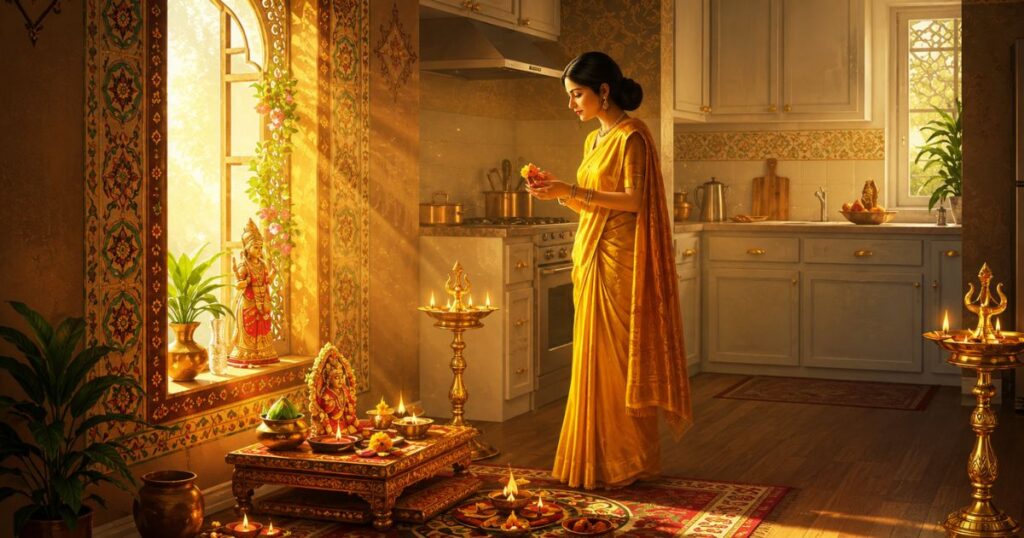
4:00 AM to 5:30 AM
Rise before sunrise. This pre-dawn window has the highest spiritual vibration of any time of day. Take a bath. Wear fresh, clean clothes. Prepare the puja space. Set your intention for the day. Keep this time quiet. No phone. No news. Just stillness.
Morning Puja and Chanting
5:30 AM to 6:30 AM
Light the ghee lamp. Offer Tulsi leaves and yellow flowers to Lord Vishnu. Chant “Om Namo Bhagavate Vasudevaya” 108 times on a Tulsi mala. Recite the Vishnu Sahasranama if time allows. Even 15 focused minutes of puja carries deep value.
Scripture Reading (Swadhyaya)
6:30 AM to 7:00 AM
Read 2 to 5 verses from the Bhagavad Gita or Srimad Bhagavatam. Reflect on one idea from what you read. Write one thought in a small diary if you like. This practice builds spiritual clarity over the full month.
Normal Work and Daily Life
7:00 AM onwards
Go to work. Attend school. Manage your home. Normal activity continues completely. Adhik Maas rules for devotees do not stop you from working, studying, or earning. They only guide your inner life and diet. Keep God in your heart while doing your daily tasks.
Eating During Adhik Maas Fasting
Afternoon: One Satvik Meal
Eat one simple satvik meal during the day. Avoid grains on strict fasting days. Include fruits, milk, sabudana, kuttu atta (buckwheat flour), sweet potato, and rock salt. Avoid food cooked with onion, garlic, or heavy spices.
Evening Prayer and Lamp Lighting
Evening: Sandhya Puja
Light a lamp again at sunset. Sing a bhajan or listen to kirtan for 10 minutes. Offer water to Lord Vishnu. Keep the evening screen-free and calm. This creates a beautiful bookend to the day’s spiritual discipline.
Gratitude and Surrender
Before Sleep
Before sleeping, thank Lord Vishnu for one thing from the day. Repeat your mantra 10 to 11 times silently. Sleep before 10 PM. Rest is part of the vrat. A rested body supports a focused mind. This closes the spiritual loop of the day.
Adhik Maas Fasting Food Guide
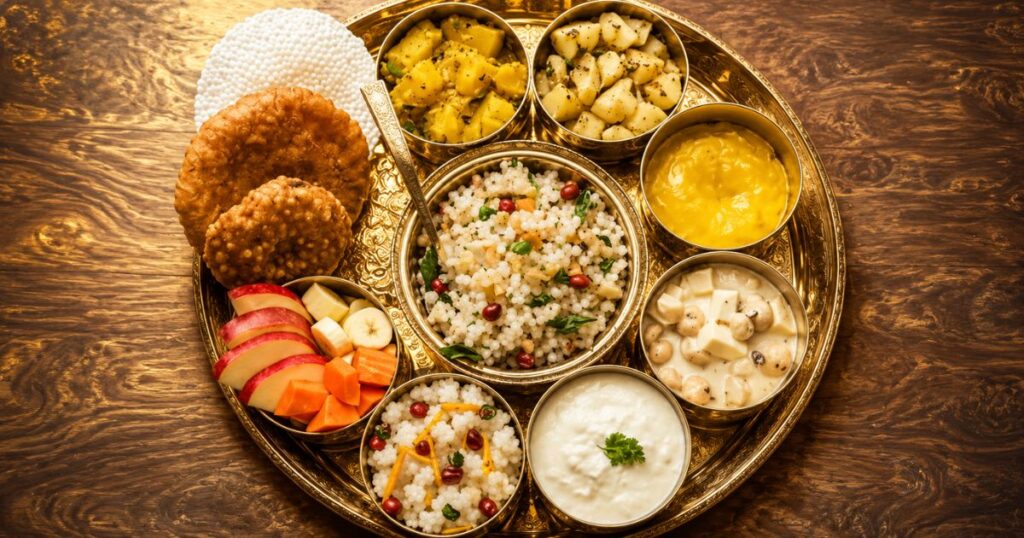
Food rules are often the most confusing part of any fast. This guide makes Adhik Maas fasting food completely simple. The table below covers what you can eat, what you must avoid, and what you can eat in moderation.
| Food Item | Category | Status During Fast | Reason |
| Fruits (all varieties) | Fruit | Allowed | Satvik, light, and purifying for the body |
| Milk and dairy (curd, paneer) | Dairy | Allowed | Satvik nourishment supported by scripture |
| Sabudana (sago pearls) | Fasting grain | Allowed | A common and filling fasting food |
| Kuttu atta (buckwheat flour) | Fasting grain | Allowed | Traditional fasting flour used across India |
| Singhare atta (water chestnut flour) | Fasting grain | Allowed | Approved fasting flour in most traditions |
| Rock salt (Sendha Namak) | Salt | Allowed | The only salt permitted during strict fasts |
| Dry fruits and nuts | Nuts | Allowed | Provide energy and nourishment on fast days |
| Sweet potato, potato, arbi | Root vegetables | Allowed | Filling and widely accepted for vrat |
| Tulsi leaves (for puja offering) | Herb | Offered to God Vishnu | Must be offered fresh; collect before Ekadashi |
| Wheat, rice, lentils (on fast days) | Grains | Not allowed | Grains are avoided during Ekadashi and strict fasts |
| Onion and garlic | Tamasik | Not allowed | Tamasik foods disrupt spiritual energy and focus |
| Non-vegetarian food | Tamasik | Strictly prohibited | Scriptures prohibit this even for non-fasters |
| Alcohol | Prohibited | Strictly prohibited | Completely prohibited during the entire month |
| Iodized table salt | Salt | Not on fast days | Replace with rock salt (Sendha Namak) during fasts |
| Ghee | Dairy | Moderate | Satvik and beneficial; use in moderation in cooking |
| Sugar and jaggery | Sweetener | Moderate | Small amounts are fine; avoid excess on fast days |
| Tea and coffee | Beverage | Moderate | Light herbal tea preferred; heavy caffeine avoided |
🕉 Mantra to Chant Daily During Adhik Maas
ॐ नमो भगवते वासुदेवाय
Om Namo Bhagavate Vasudevaya
“I bow to Lord Vasudeva, the Supreme Being.” Chant this 108 times every morning on a Tulsi mala for maximum benefit.
Modern Ways to Observe Adhik Maas
You work full time and deadlines. You have a phone that never stops buzzing. The question is real: how do you follow Adhik Maas vrat rules in a modern life?
The answer is adaptation. The spirit of the rules does not change. Only the form changes to fit your life. Here are practical modern ways to observe Adhik Maas that still carry full spiritual value.
1. Unable To Visit Temple Physically
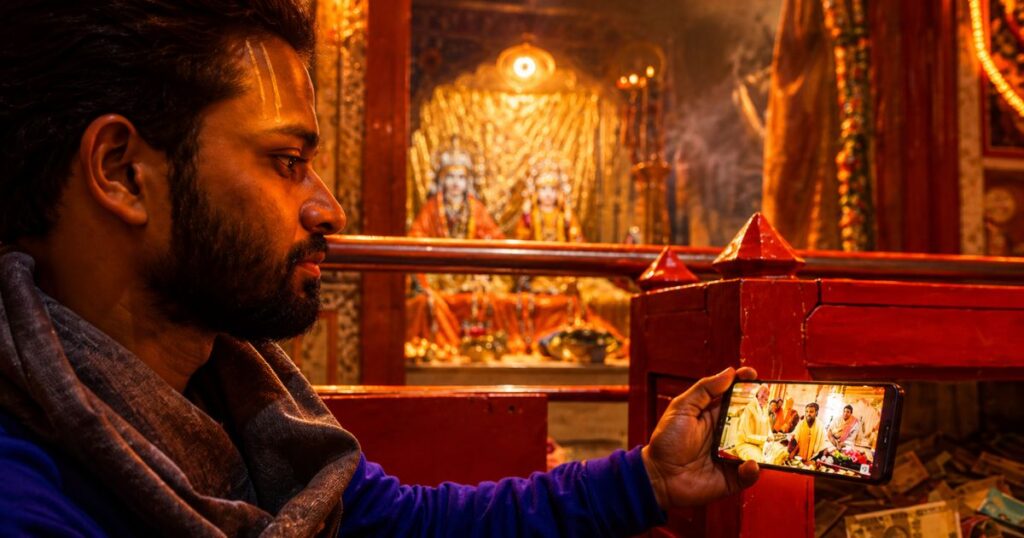
Use Temple Livestreams: Cannot visit a temple? Watch the morning aarti of Mathura, Vrindavan, or your nearest Vishnu temple on YouTube or temple apps. Sit upright and treat it like you are present. It counts.
2. Can’t Read Scripture Aloud
Listen During Commute: Play Vishnu Sahasranama or Bhagavad Gita audio on your way to work. Use earphones. Even passive listening carries merit. Apps like Audible or Spotify have quality versions.
3. Can’t Follow Extended morning routine
10-Minute Micro Puja: Set your alarm 15 minutes earlier. Light one lamp. Chant 21 times. Read one verse. That is enough. Consistency every day beats an elaborate routine done twice.
4. Can’t Keep Full-day Nirjala fast
Satvik Intermittent Fasting: If a full fast is too difficult, eat a satvik Phalahar meal between noon and 2 PM only. Skip grains and avoid onion and garlic. This still qualifies as Purushottam Maas fasting.
5. Can’t Donate Food In-person
Digital Daan (Online Charity): Use trusted platforms to donate to temple Anna Daan programs or relief organizations. Even small digital donations carry real merit when given with a sincere heart.
6. Can’t Memorize Daily Scripture
Keep a Spiritual Journal: Write one line each morning about your intention. Write one line at night about what you noticed. This keeps your mind anchored to the spirit of Adhik Maas all day long.
7. Can’t Do Meditation Silently at home
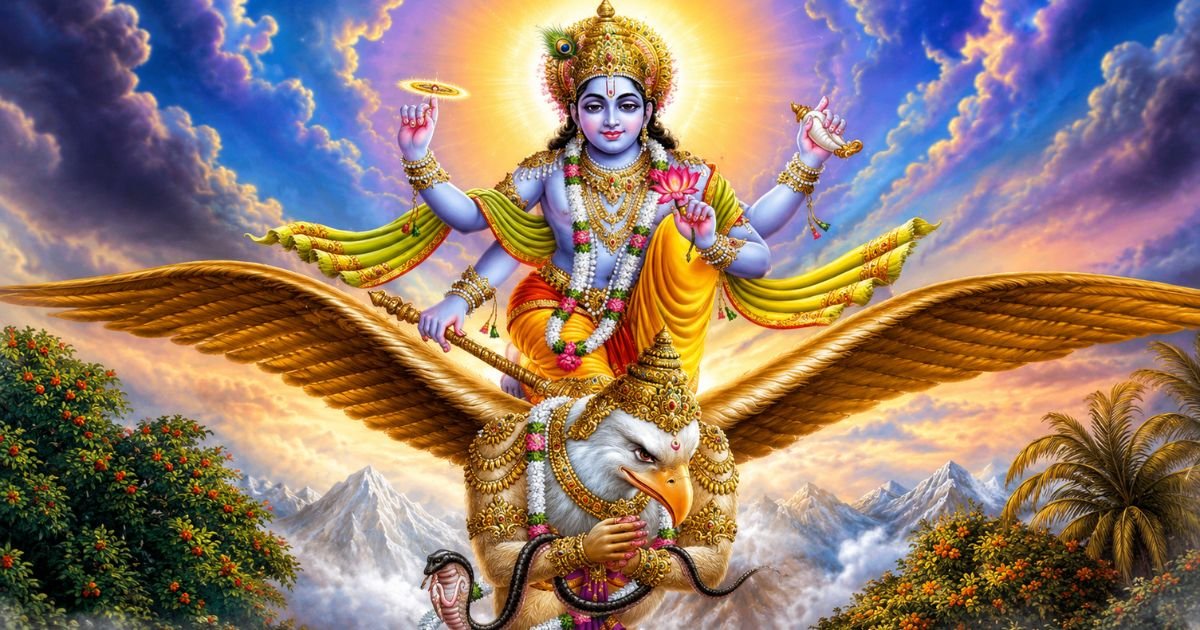
Roopdhyan Meditation: Sit quietly for 5 to 10 minutes. Visualize Lord Vishnu’s form in your mind. Focus on his serene smile, the lotus, the conch, the chakra. This meditative visualization is called Roopdhyan and is highly recommended for this month.
8. Not Enough Time for Community Satsang
Family Bhajan Circle: Gather family for 10 minutes every evening. Play one bhajan. Take turns reading one verse. Light a single lamp together. Small family traditions during this month become lifelong memories for children.
Adhik Maas Vrat Rules for Different Groups
Not every devotee is in the same situation. Adhik Maas rules for devotees adjust naturally based on who you are. Here is guidance for each group.
Adhik Maas Vrat for Working Professionals
- Do your 10-minute morning puja daily
- Listen to bhajan or mantra during breaks
- Eat a satvik lunch; skip office canteen meat
- Fast only on Ekadashi days in the month
- Donate once a week in any form
- Keep evenings screen-light and prayer-focused
Adhik Maas Vrat for Homemakers and Mothers
- Cook satvik food for the full family
- Say a prayer before starting cooking
- Chant while doing household work
- Donate food to a neighbor or worker
- Keep an evening lamp lit daily
- Read one verse at night before sleeping
Adhik Maas Vrat for Students
- Chant 21 names of Vishnu before studying
- Keep your study space clean and light a lamp
- Avoid tamasik food; it affects focus
- Fast lightly on Ekadashi days if health allows
- Read one verse from the Bhagavad Gita daily
- Study is also a form of Seva in this month
Adhik Maas Vrat for Elderly Devotees
- A light fruit-based diet is sufficient fasting
- Maintain medication schedules without guilt
- Chanting seated is fully valid
- Listen to scripture audio if reading is hard
- Donate from whatever you have, even prayer
- Intention and sincerity matter most at this stage
Adhik Maas Vrat for Pregnant and Nursing Women
- Do not fast strictly; eat nutritious satvik food
- Chanting and prayer are fully encouraged
- Light a daily lamp and offer your devotion
- Donating in any small form carries merit
- Reading scripture benefits both mother and child
- Your health and the baby’s health come first
Adhik Maas Vrat for Devotees Living Abroad
- Follow the 2026 IST dates as a reference
- Use online Panchang for local Ekadashi times
- Stream temple aartis for community connection
- Cook one satvik Indian meal per day if possible
- Join online bhajan or katha events in this month
- Donate digitally to Indian temple Anna Daan
Conclusion
The Adhik Maas vrat rules are not a burden. They are an invitation. Once every three years, the calendar gives you a full month to slow down, go inward, and connect with something greater than your to-do list.
Purushottam Maas 2026 runs from May 17 to June 15. That is 30 days. Not forever. Just 30 days to wake up 15 minutes earlier. To eat a little more simply. To say a prayer before a meal. To give something to someone who needs it.
The Padma Purana says even one sincere act in this month is never lost. Lord Vishnu does not measure the size of your lamp. He measures the steadiness of the hand that holds it.
Choose your level. Keep going until June 15. And on May 31, do your best act of the month as a quiet offering between you and the divine.
That is enough. That is more than enough.
🕉 Jai Purushottam. Jai Srihari Vishnu. 🙏
Frequently Asked Questions About Adhik Maas Fasting
1. What are the main Adhik Maas vrat rules?
The main Adhik Maas vrat rules are five. Wake up early and bathe. Observe Purushottam Maas fasting by eating only once a day. Worship Lord Vishnu through puja and chanting. Donate food, clothes, or lamps. Read or listen to scripture daily. These five pillars come from the Padma Purana and form the foundation of all observance during this sacred month.
2. Is fasting compulsory during Purushottam Maas?
No. Purushottam Maas fasting is not compulsory. Scriptures say even a light satvik diet with sincere prayer carries great merit. Fasting is a tool for discipline, not a rule for punishment. Children, the elderly, pregnant women, and people with health conditions should not fast strictly. Even the most basic observance done with devotion holds value.
3. What food can I eat during Adhik Maas fasting?
During Adhik Maas fasting food includes fruits, milk, curd, paneer, sabudana, kuttu atta, singhara atta, sweet potato, dry fruits, and rock salt. You must avoid grains like wheat and rice on strict fast days. You must completely avoid onion, garlic, non-vegetarian food, and alcohol throughout the entire month.
4. Can I work normally during Adhik Maas?
Yes. Normal work, school, business, and daily life all continue without restriction. The Adhik Maas rules for devotees do not stop you from earning or working. They guide your inner life, diet, and spiritual practice. The rules restrict new big worldly beginnings like weddings or house warmings, not your daily responsibilities.
5. What are modern ways to observe Adhik Maas for busy people?
Many modern ways to observe Adhik Maas work well for busy schedules. You can listen to bhajans during your commute. You can do a 10-minute morning puja. You can eat a satvik lunch at work. You can donate digitally to temple Anna Daan programs. You can watch live temple aartis online. You can chant 21 times before sleeping. Consistency matters more than elaborate ritual.
6. What happens if I break the vrat midway?
The scriptures do not mention a punishment for breaking the vrat. Simply resume your practice the next day. Devotion is not a contract. It is a relationship. If you miss a day due to genuine health or emergency reasons, Lord Vishnu understands your sincere intention. What matters most is not perfection but the genuineness of your effort over the full Adhik Maas 2026 period.
7. Can women observe Adhik Maas vrat during their menstrual cycle?
During menstruation, women traditionally avoid direct puja and temple visits according to many regional customs. However, chanting, listening to scripture, and performing mental prayer are fully permitted. Donation and charity can also continue. The spiritual intention and the effort of the heart are never restricted. Many scholars say that sincere inner prayer during this time carries equal or more merit.
8. What should I avoid buying during Adhik Maas?
Avoid buying gold, silver, jewelry, or luxury items during Adhik Maas. Avoid major financial investments and property purchases. Essential daily purchases are completely fine. The restriction applies to desire-driven big purchases that carry worldly ambition. The spirit of the month is to reduce external acquisition and increase internal growth.
9. Can I celebrate birthdays during Adhik Maas?
Yes. Birthdays and wedding anniversaries are permitted during Purushottam Maas 2026. These are not new worldly beginnings. They are continuations of existing life events. Keep the celebration simple and satvik. Use the day to also offer gratitude to Lord Vishnu and make a small charitable donation in honor of the occasion.
The journey does not end here. Follow MFC on Instagram and Facebook to explore more sacred places, festivals, and living traditions of Sanatan Dharma.