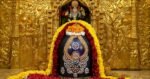


Jyeshtha Adhik Amavasya is the no-moon night (Amavasya) that falls during Adhik Maas, the rare Hindu leap month, when that extra month coincides with the Jyeshtha lunar month. In 2026, Adhik Maas, also known as Purushottam Maas, is an additional lunar month added to the Hindu calendar approximately every 2.5 to 3 years to balance the difference between the lunar and solar calendars. This makes Jyeshtha Adhik Amavasya a rare occurrence that does not repeat annually.
Jyeshtha Adhik Amavasya 2026 falls on Monday, June 15, 2026. The Amavasya Tithi begins on June 14 at 12:19 PM IST and ends on June 15 at 8:23 AM IST. Since the Tithi is active at sunrise on June 15, all rituals including Tarpan, charity, fasting, and puja are observed on June 15. It is also a Somvati Amavasya because it falls on a Monday, a combination that is considered highly auspicious for ancestral rituals, Pitru Dosha removal, and deep spiritual practice. It is also the final day of Adhik Maas 2026, making it the most spiritually concentrated day of the entire extra month.
Date and Timing of Jyeshtha Amavasya 2026
| Event | Date & Timing (IST) |
| Jyeshtha Adhik Amavasya Date | Monday, 15 June 2026 |
| Amavasya Tithi Begins | 14 June 2026 at 12:19 PM |
| Amavasya Tithi Ends | 15 June 2026 at 08:23 AM |
| Paksha | Krishna Paksha |
| Lunar Month | Jyeshtha (Adhik) |
| Sunrise on Amavasya | 05:23 AM |
| Sunset on Amavasya | 07:20 PM |
| Nakshatra | Mrigashira up to 07:08 PM |
| Yoga | Shula up to 08:56 AM |
According to the Hindu Panchang, Jyeshtha Adhik Amavasya in 2026 falls on 15 June. Since this Amavasya occurs during the sacred Adhik Maas, devotees consider it especially important for pitru tarpan, charity, fasting, prayer, and spiritual cleansing.
Why Is Jyeshtha Adhik Amavasya Rare and More Powerful Than a Regular Amavasya?
Jyeshtha Adhik Amavasya is rare for three reasons that stack on top of each other.
First: Adhik Maas itself is rare. Adhik Maas is an additional lunar month that appears approximately every 2.5 to 3 years. It does not always fall in Jyeshtha. When it does, the Amavasya of that extra Jyeshtha month becomes Jyeshtha Adhik Amavasya.
Second: Adhik Maas is dedicated to Lord Vishnu and carries amplified merit. According to ancient scriptures, Lord Vishnu Himself explained that spiritual acts such as sacred bathing, mantra chanting, meditation, fire rituals, fasting, and charity performed during Adhik Maas grant Akshaya Phala, everlasting spiritual merit. The Brahma Purana confirms that acts performed during an Adhik Maas in Jyeshtha bring greater merit than the same acts in any regular month.
Third: June 15, 2026 is a Somvati Amavasya. It falls on a Monday, which makes it a Somvati Amavasya. Somvati Amavasya is considered especially auspicious for ancestral worship, Pitru Dosha removal, and deep spiritual practice. Somvati Amavasya is itself rare, and its coincidence with Jyeshtha Adhik Amavasya in 2026 makes this combination exceptional.
Fourth: It is the last day of Adhik Maas 2026. Amavasya falls on the next to last of Adhik Maas and the following day marks the last day and the completion of the 30-day sacred observance. Closing the entire Purushottam Maas on the most sacred ancestral night of the month is a natural and complete spiritual cycle.
What Does Amavasya Mean? What do the Purans Say?
The very name carries metaphysical depth. The term Amavasya originates from Sanskrit, where “ama” means “together” and “vas” means “to dwell,” referring to the union of the Sun and Moon. This event occurs once every synodic month, approximately every 29.53 days, serving as a key marker in the Hindu lunisolar system.
The Puranas elaborate on this cosmic event with extraordinary precision.
From the Skanda Purana: Amavasya is described as the supreme phase of the Moon, embodying all sixteen of its divine energies. This phase neither diminishes nor increases, representing a constant and powerful cosmic state.
From the Vishnu Purana and Brahmanda Purana: Amavasya is the time when the Pitrus worship the Moon and when the Sun, Moon, and constellations meet together in the same mandala. The Pitrus drink the nectar of the Moon on this day. Only when two of its Kalas remain does the Moon enter the orbit of the Sun and stay in the ray called “Ama,” and hence the period is called Amavasya. The Vishnu Purana (I.20.38; III.14.7-10) and the Brahmanda Purana (II.10.62) both record this as a Tithi especially fit for Shraddha.
Shiva Purana: Amavasya is when the Sun, Moon, and all constellations align in the same cosmic mandala, opening a direct channel between the world of the living and the ancestral realm.
Garuda Purana: Lord Vishnu said that ancestors descend to Earth on Amavasya to receive their offerings. On Jyeshtha Adhik Amavasya, when Adhik Maas amplifies every act, this descent is considered at its most powerful.
This is the cosmic framework within which Jyeshtha Amavasya operates.
Why is the Month of Jyeshtha Sacred in Sanatan Dharma?
Jyeshtha month holds great mythological and religious significance in Hinduism. It is believed to be the month dedicated to Lord Shiva. According to Hindu mythology, during the Jyeshtha month, Lord Shiva consumed poison (Halahala) that emerged from the churning of the cosmic ocean (Samudra Manthan) to save the universe from its destructive effects.
Additionally, the Jyeshtha month is associated with the Nakshatra called Jyeshtha, which is ruled by Lord Indra, the king of gods and the deity of thunder and rain. His blessings are sought for prosperity and abundance.
Jyeshtha falls in the summer months of May and June, bringing intense heat. As people face the peak intensity of the Sun, this month highlights the importance of water in life. Several water-related festivals are celebrated during this period.
The Amavasya of such a charged month therefore carries a spiritual weight that is qualitatively different from other no-moon nights. It closes a month of peak solar energy, Lord Shiva’s cosmic sacrifice, and Lord Indra’s dominion, making it a confluence of forces that Sanatan Dharma considers ideal for karmic clearing.
What Is the Sanatan Dharma Connection to Jyeshtha Adhik Amavasya?
In Sanatan Dharma, Jyeshtha Adhik Amavasya is directly connected to one of the deepest teachings about human obligation: the three debts every soul carries from birth.
The Mahabharata names them clearly:
- Deva Rina is the debt to the gods. It is cleared through worship, acts of dharma, and righteous living.
- Rishi Rina is the debt to the sages. It is cleared by studying the scriptures and passing wisdom to the next generation.
- Pitru Rina is the debt to the ancestors. It is the most personal of the three. It is cleared through Tarpan, Shraddha, and Pind Daan performed with sincerity and love.
Jyeshtha Amavasya is one of the most powerful annual opportunities in the Sanatan calendar to discharge this Pitru Rin. The Garuda Purana, which is the most authoritative Puranic text on the afterlife and ancestral rites, reinforces this:
From the Garuda Purana: Shraddha is very important to every householder, and those who fail to do this ritual to their ancestors earn demerit. The Garuda Purana states that Pitrus live in Pitru Loka or Soma Loka, which is near the planet Moon. Offerings of water and black sesame seeds make them very happy and greatly pleased. Pitrus bestow upon their descendants blessings of fame, longevity, relief from debts, destruction of enemies, wealth, happiness, and progeny. Lord Vishnu is believed to have said that ancestors descend to Earth on Amavasya to partake of their food and offerings. On Jyeshtha Amavasya, with the Sun at peak intensity and the Moon entering its deepest conjunction, this descent is believed to be at its most powerful.
What Are the Six Spiritual Significance of Jyeshtha Adhik Amavasya?
1. Pitru Tarpan: Settling the Deepest Debt
Jyeshtha Amavasya is dedicated to Pitru Tarpan and Shraddha rituals, as it is believed that the Pitru Lok (ancestral realm) is most receptive on this day. Performing rituals with sincerity helps bring peace to the souls of ancestors and blessings to the family. It is also believed to cleanse one’s karma and remove negative influences from life. The Divine India
In Sanatan Dharma, honoring ancestors is considered as important as worshiping the deities. The scriptures say: “Pitru Devo Bhava,” meaning just as parents are regarded as deities in life, after their demise it is one’s duty to express gratitude toward them.
2. The Birth of Lord Shani: Justice as Cosmic Law
Jyeshtha Amavasya is connected to the birth of Lord Shani, the son of Lord Surya and Devi Chhaya, and is therefore also observed as Shani Jayanti. Lord Shani is one of the Navagrahas and gives results to all living beings according to their karma. His birth on this day connects the observance of Jyeshtha Amavasya directly to the Sanatan principle of karma: the idea that no action goes unwitnessed, and every cause produces its consequence.

3. Vat Savitri Vrat: Devotion as a Path to Dharma
The Vat Savitri Vrat, observed by married women on this day, is not merely a fast for a husband’s longevity. In Sanatan Dharma, it is a living enactment of the principle that steadfast dharmic devotion can alter even the course of destiny. The fast is named after Savitri, a legendary woman known for her dedication, courage, and wisdom, and the Vat (banyan tree), which symbolizes stability and longevity. Married women worship the banyan tree, tie sacred threads around it, and recite the Savitri-Satyavan story for their husband’s long life.
4. Nirjala Vrat: The Body as an Instrument of Tapas
Jyeshtha Amavasya is also known as Nirjala Amavasya, observed through fasting without water in the peak of Indian summer. In Sanatan Dharma, Tapas (austerity) is one of the foundational disciplines for spiritual development. A Nirjala fast on the hottest day of the year is an act of extreme tapas, understood as an offering of the body’s comfort to the divine, earning merit proportional to the sacrifice.
The Kurma Purana speaks directly to this: Those who desire heaven, long life, wealth, and those seeking to clear sins and attain salvation should give generously to Brahmins and worthy people on this day.
The Atharva Veda also supports the spirit of giving on this day: The Atharva Veda says, “Earn with hundreds of hands and give with thousands.”
5. The Tantric Dimension: The Night of Siddhi
The Moon’s power weakens on Jyeshtha Amavasya and the night is its darkest. In this environment, the effect of negativity is high. Therefore, work related to Tantra is done at this time. This night is special for Tantrikas as they awaken different powers with their Siddhi on this Amavasya.
In the Tantric tradition within Sanatan Dharma, darkness is not the absence of the sacred. It is sacred in its most concentrated form. Amavasya symbolizes the end of old cycles and the start of new beginnings. This is a time for deep spiritual practices, introspection, and honoring ancestors.
6. Deep Daan at Dusk: The Forgotten Ritual
There is an age-old ritual of Deep Daan (lamp donation) either on the banks of a holy river or in a temple at dusk on Jyeshtha Amavasya. Lighting a lamp at the darkest night of the month is, in the Sanatan understanding, an act of inviting the ancestors to receive light, and of affirming that dharma persists even in darkness.
What Are the Unknown Facts About Jyeshtha Adhik Amavasya?
Fact 1: The Pitru Loka is closest to Earth near the Moon
The Garuda Purana states that the Pitrus live in Pitru Loka or Soma Loka, which is near the planet Moon. Because Amavasya is the day the Sun and Moon conjoin, the Pitru Loka is, in the Vedic cosmological model, at its most accessible from the earthly realm. Jyeshtha Amavasya is the annual peak of this accessibility.
Fact 2: Feeding a Brahmin on this day equals the merit of donating a thousand cows
Providing food to Brahmins on Jyeshtha Amavasya is said to bear fruit equal to that of Sahasra Godaan, the donation of a thousand cows. This specific merit is stated in the Nirnay Sindhu, one of the foundational texts of Hindu dharmashastra, yet it is almost never cited in mainstream
content about this day.
Fact 3: The Brahmanda Purana records the precise cosmic mechanics of Amavasya
The Brahmanda Purana (II.10.62) records that only when two of the Moon’s Kalas remain does the Moon enter the orbit of the Sun and stay in the ray called “Ama,” giving Amavasya both its name and its cosmic identity as a day of deepest conjunction. This means the name Amavasya is not symbolic. It is a precise astronomical description embedded in Puranic literature.
Fact 4: Jyeshtha Amavasya sits at the junction of three sacred events of the same month
The month of Jyeshtha in 2026 contains Ganga Dussehra (the descent of River Ganga), Nirjala Ekadashi (the hardest fast of the year), and Jyeshtha Amavasya, all within the same lunar month. The convergence of these spiritual observances during Jyeshtha underscores the deep-rooted significance of this entire period in the cultural and spiritual tapestry of Hindu society.
Fact 5: The Peepal tree on Amavasya is believed to house the Pitrus directly
Lighting a diya under a peepal tree and offering black sesame seeds with water on Jyeshtha Amavasya are considered among the most auspicious practices. The peepal tree, in Sanatan cosmology, is understood to be inhabited by ancestral spirits on every Amavasya. On Jyeshtha Amavasya specifically, this connection is most potent.
Fact 6: Bathing on Jyeshtha Amavasya holds equal Punya to bathing on Purnima
Snan on Amavasya is as important as Snan on Purnima. Snan on this day removes all the negative elements from the devotee, mental strength is attained, purity of thoughts is achieved, the body becomes healthy, and evil forces stay away. Most people associate sacred bathing only with Purnima. This equivalence, though stated in the Panchang tradition, is widely overlooked.
Fact 7: The Adhika Masa amplifies every ritual in 2026
According to the Brahma Purana, if there is an Adhika Masa during Jyeshtha, religious acts performed during this extra month are believed to grant greater merit than those performed during the regular month. June 14, 2026 falls within this rare Adhika Jyeshtha. Every act of worship, charity, and tarpan performed on this day carries extraordinary compounded merit.
The Legends Connected to Jyeshtha Amavasya
The Birth of Lord Shani: Shadow, Light, and Karma
As per the legend, Surya Dev was married to Sangya and they had three children: Manu, Yama, and Yamuna. Sangya could not bear the intense radiance (Tej) of the Sun god. She eventually created her shadow form Chhaya, entrusted her with her place, and departed for penance in the forest. From the union of Surya Dev and Chhaya was born Shani Dev, carrying the dual nature of both light and shadow.
It is believed that Lord Shani believes in fair justice, and if appeased, he blesses his devotees with good luck and fortune. People who do not have the blessing of Lord Shani toil for years without reward for their hard work. Drikpanchang
Shani Dev is thus a living embodiment of the Sanatan principle of karma. Born on Jyeshtha
Amavasya, his presence on this day makes it especially powerful for resolving karmic debts.
The Vat Savitri Katha: Love That Defeated Yama
The Vat Savitri Vrat Katha revolves around Princess Savitri, the daughter of King Ashwapati, who married Satyavan, a noble but ill-fated prince. Despite knowing that her husband had a very short lifespan, Savitri chose to marry him out of love and devotion.
On the exact day foretold by Narada, Satyavan collapsed under a banyan tree. Yama arrived and took his soul. Savitri followed him. Yama offered her boons, anything except Satyavan’s life. She asked for her father-in-law’s eyesight, then for his kingdom to be restored, then for sons. And she asked for those sons to be born from Satyavan. Yama had already agreed. He could not undo his words. Satyavan lived.
The Vat tree under which this miracle happened is the living symbol of this observance. The thread tied around the banyan is the vow. The fast is the act of holding both together. In the language of Sanatan Dharma, Savitri did not merely love her husband. She walked the path of dharmic devotion so completely that even the law of death had to yield.
Puranic Sources Referenced in This Observance
| Scripture | Key Reference |
| Garuda Purana | Pitrus descend on Amavasya; Tarpan and Pind Daan ensure ancestral peace; Shraddha is obligatory for all householders |
| Vishnu Purana (I.20.38; III.14.7-10) | Amavasya is when the Moon enters the Ama ray of the Sun; this Tithi is specifically declared fit for Shraddha |
| Brahmanda Purana (II.10.62) | Cosmic mechanics of Amavasya; Pitrus worship the Moon on this day |
| Skanda Purana | Amavasya embodies all sixteen divine energies of the Moon in a constant, undivided state |
| Kurma Purana | Those seeking heaven, long life, and salvation should donate generously to Brahmins and the worthy on this day |
| Nirnay Sindhu (Hindu dharmashastra text) | Charity and donation to the specially-abled and poor on Jyeshtha Amavasya is specifically mandated |
| Mahabharata (Shanti Parva tradition) | Every soul carries three debts: Deva Rina, Rishi Rina, and Pitru Rina; Tarpan is the prescribed means of discharging the ancestral debt |
| Atharva Veda | Earn with hundreds of hands and give with thousands; charity is the highest dharma |
| Brahma Purana | If Adhika Masa falls in Jyeshtha, rituals performed during this extra month grant greater merit than those in the regular month |
How to Perform Jyeshtha Adhik Amavasya Pooja
Before Sunrise (Brahma Muhurta)
Wake before sunrise. Take a bath in sacred river water during Brahma Muhurta, offer Arghya (water) to Surya Dev, and place black sesame seeds in flowing water. If a river is not accessible, add Gangajal to your bath water at home.
Pitru Tarpan
Offer water mixed with black sesame seeds and rice to your ancestors, addressing them by name or lineage. Perform Pind Daan, offering rice balls to departed souls. The Garuda Purana states that these offerings reach the Pitrus in Soma Loka and fill them with peace.
The Peepal Tree Ritual
Visit a peepal tree, light a diya under it, and offer black sesame seeds with water. Circumambulate the tree 108 times if possible, or at least 7 times, and pray for your ancestors’ liberation.
Shani Puja
Visit Shani temples to offer mustard oil, black sesame seeds, blue flowers, and chant the Shani Chalisa. At home, light a sesame oil lamp facing west and chant the Shani Beej Mantra:
“Om Pram Preem Praum Sah Shanaischaraya Namah.”
Daan (Charity): The Dharmic Heart of This Day
Scriptures such as the Nirnay Sindhu speak specifically about the importance of charity on Jyeshtha Amavasya. Donate to the specially-abled and the poor. Providing food to Brahmins on this day bears fruit equal to that of Sahasra Godaan.
Donate water, earthen pots (matkas), white rice, milk, curd, black sesame seeds, fans, and food. Because Jyeshtha is peak summer, donating water and shade are considered acts of the highest dharmic merit during this period specifically.
The Vat Savitri Vrat (for married women)
Go to a banyan tree with flowers, fruits, and a sacred thread. Tie the thread around the Vat Vriksha, circumambulate it seven times, and recite the Savitri-Satyavan Katha. Offer water to the tree and pray for your husband’s longevity and the well-being of your family.
Deep Daan at Dusk
Perform Deep Daan at dusk, either on the banks of a holy river or at a temple. This is one of the oldest rituals specifically associated with Jyeshtha Amavasya. Light a sesame oil lamp and place it by flowing water or at the base of a sacred tree as the sun sets.
Fasting Guidelines
Observe Nirjala Vrat (without food or water) or Phalhar Vrat (fruits and milk) according to your health. Avoid onion, garlic, non-vegetarian food, and tamasic substances throughout the day. Break the fast after evening prayers and the diya ritual.
What to Avoid
Avoid starting new auspicious work, weddings, or housewarming ceremonies. Avoid cutting hair or nails, consuming alcohol, and arguments. Avoid unnecessary night travel.
Conclusion: Jyeshtha Amavasya Is Sanatan Dharma in Practice
Jyeshtha Amavasya is not a single event. It is an annual reminder of who we are within the framework of Sanatan Dharma, beings embedded in a web of karmic relationships that extend backward through lineages and forward through the consequences of our actions.
Hinduism sees the human being as a continuation of the legacy of ancestors. Our forebears have handed down to us not only genetic traits but also cultural traditions, spiritual impressions, and blessings that continue to shape our lives. Astrobix
On Jyeshtha Amavasya, we honor that inheritance. We discharge the Pitru Rina through Tarpan. We invoke divine justice through Shani Puja. We affirm dharmic devotion through the Vat Savitri Vrat. We give back to the world through Daan. And we face the darkest night of the month not with fear, but with a lamp in our hands.
The Garuda Purana calls ancestors the source of fame, longevity, wealth, and protection for their descendants. The Vishnu Purana places this very Tithi at the centre of the cosmos. The Nirnay Sindhu mandates charity on this day. The Mahabharata defines the debt we carry. And Sanatan Dharma, in its timeless wisdom, gives us a specific day to address all of it together.
Pitru Devo Bhava. May your ancestors be pleased, and may their blessings flow into every corner of your life.
FAQs About Jyeshtha Amavasya 2026
1. When is Jyeshtha Amavasya in 2026?
The Adhika Jyeshtha Amavasya in 2026 falls on June 14 (Sunday). The Tithi begins at 12:19 PM on June 14 and ends at 8:23 AM on June 15.
2. Is Jyeshtha Amavasya auspicious or inauspicious?
In Sanatan Dharma, it is deeply auspicious for ancestral rites, spiritual practices, Shani worship, and karmic resolution. It is better understood as a day of inner alignment, emotional reset, and karmic awareness. Only new material undertakings are avoided.
3. Which Puranas mention the significance of Amavasya for Shraddha?
The Garuda Purana, Vishnu Purana (I.20.38; III.14.7-10), Brahmanda Purana (II.10.62), Skanda Purana, and the Kurma Purana all specifically address the importance of ancestral rites on Amavasya. The Mahabharata and the dharmashastra text Nirnay Sindhu further substantiate this.
4. What is Pitru Rina and how does Jyeshtha Amavasya help discharge it?
Pitru Rina is the ancestral debt that every soul carries from birth. The Mahabharata states it is discharged through Tarpan and Shraddha. Performing these on Jyeshtha Amavasya, when the Pitru Loka is most receptive, is the prescribed means of clearing this debt.
5. Why is 2026 Jyeshtha Amavasya especially significant?
Because it falls in the Adhika Jyeshtha Masa, a rare Hindu leap month. The Brahma Purana states that religious acts performed during an Adhika Masa in Jyeshtha grant greater merit than those in a regular month.
6. Can people living away from a river observe these rituals at home?
Yes. Those unable to reach a river can take a bath at home with a prayerful mindset and add Ganga Jal to the water. The Puranas are unanimous that sincerity, not geography, is the measure.
To know all the Amavasya dates and timings for the year, visit our complete Amavasya Calendar 2026.
The journey does not end here. Follow MFC on Instagram and Facebook to explore more sacred places, festivals, and living traditions of Sanatan Dharma.