
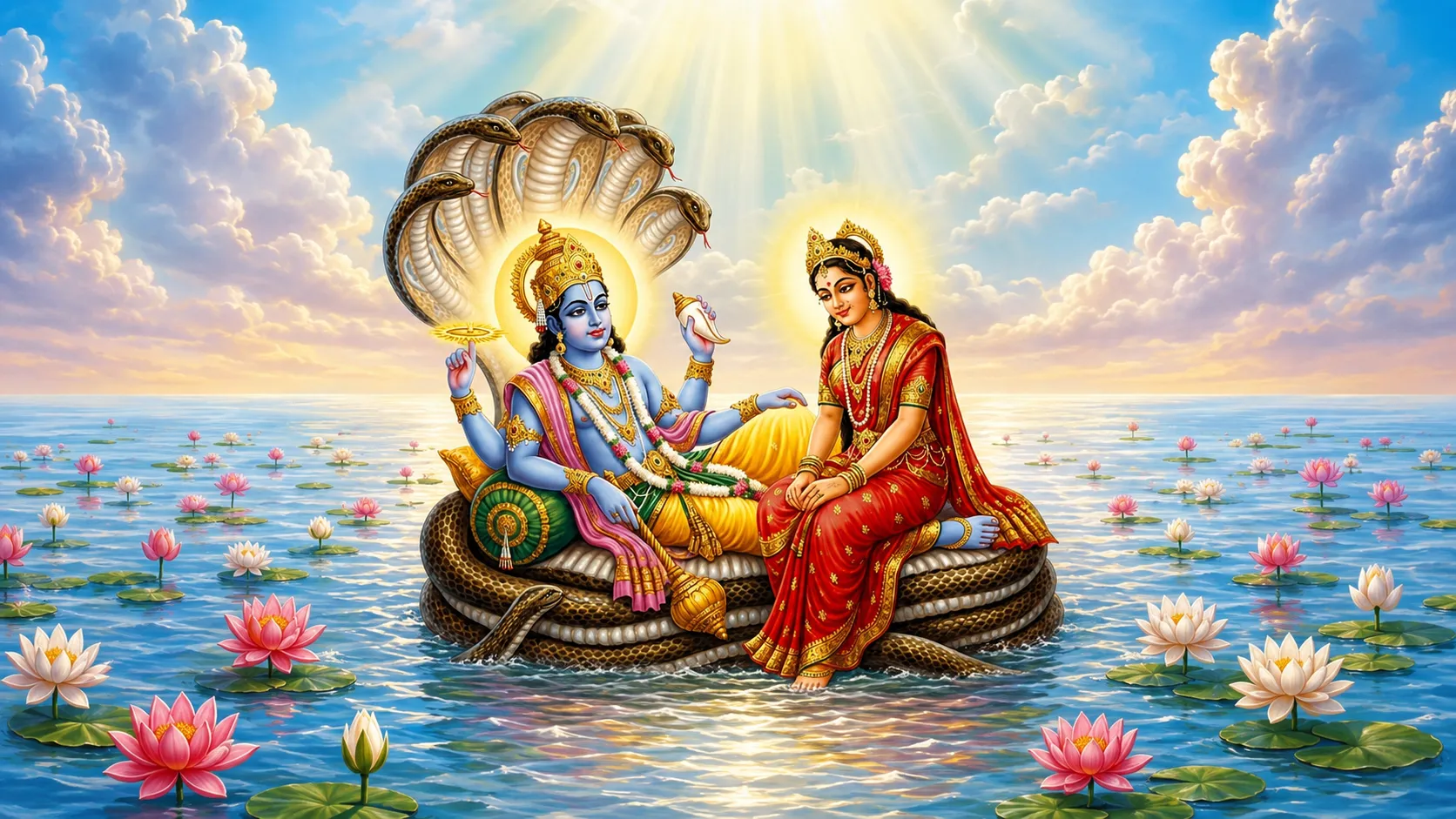
Kamika Ekadashi 2026 date and time: the fast falls on Sunday, August 9, 2026, during Krishna Paksha of the sacred Shravana month. The Ekadashi tithi begins at 1:59 PM on August 8 and ends at 11:04 AM on August 9. The Kamika Ekadashi parana time is the next morning, August 10, between 5:47 AM and 8:01 AM. This Ekadashi is closely tied to Tulsi worship and, per the Brahmanda Purana, is believed to relieve even grave sin.
Every Ekadashi teaches a different lesson, and Kamika Ekadashi reminds us that sincere repentance, devotion, and self-control matter more than elaborate rituals. Whether you observe a strict fast or a simple Phalahar, the purpose is the same: to bring your mind closer to Lord Vishnu through faith and discipline.
If you’re observing Kamika Ekadashi 2026, use this guide to prepare your puja, follow the vrat correctly, and complete the parana at the right time. May your observance be peaceful, meaningful, and filled with Lord Vishnu’s blessings.
Key Takeaways
- Kamika Ekadashi 2026 falls on Sunday, August 9, 2026, during Shravana Krishna Paksha.
- Parana should be performed on August 10, 2026, between 5:47 AM and 8:01 AM.
- The fast is dedicated to Lord Vishnu and is especially known for the importance of Tulsi worship.
- According to the Brahmanda Purana, observing this vrat with devotion is believed to bring immense spiritual merit and inner purification.
- Devotees can choose Nirjala, Jalahar, Ksheerbhoji, or Phalahar fasting based on their health and ability.
- The puja includes Sankalp, Vishnu worship, Tulsi offerings, mantra chanting, and the Kamika Ekadashi vrat katha.
- Both Vishnu and Shiva devotees can observe this Ekadashi, as it falls during the sacred month of Shravana.
- Completing the parana within the prescribed time is considered an important part of the vrat.
What Is Kamika Ekadashi?
Kamika Ekadashi is the eleventh lunar day of Krishna Paksha in the Hindu month of Shravana. It is dedicated to Lord Vishnu and falls during the sacred rainy-season month most associated with Lord Shiva, making it one of the more spiritually layered fasting days of the year.
The word “Kamika” is linked to the removal of Kama, meaning desire-driven sin, and the fulfillment of sincere, righteous wishes. Falling inside Shravana, a month already packed with fasting and temple worship, Kamika Ekadashi carries added weight.
This particular Ekadashi also sits within the ongoing Chaturmas period, the four months of Lord Vishnu’s cosmic rest that began with Devshayani Ekadashi in July, which is one reason devotees treat it as an especially potent day for repentance and renewal.
Kamika Ekadashi Date 2026 and Time
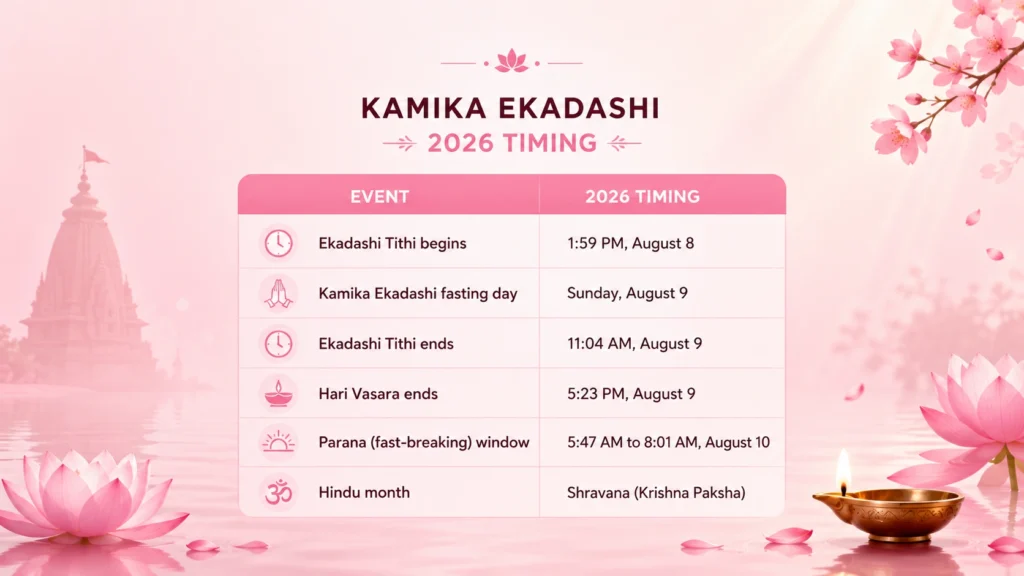
The Kamika Ekadashi 2026 date and time: fasting day is Sunday, August 9. The Ekadashi tithi begins at 1:59 PM on Saturday, August 8, and ends at 11:04 AM on Sunday, August 9. Since the tithi governs sunrise on August 9, that is the correct fasting day for both Smarta and Vaishnava households.
| Event | 2026 Timing |
| Ekadashi Tithi begins | 1:59 PM, August 8 |
| Kamika Ekadashi fasting day | Sunday, August 9 |
| Ekadashi Tithi ends | 11:04 AM, August 9 |
| Hari Vasara ends | 5:23 PM, August 9 |
| Parana (fast-breaking) window | 5:47 AM to 8:01 AM, August 10 |
| Hindu month | Shravana (Krishna Paksha) |
Important Note: Timings follow the Hindu Panchang calculated for New Delhi (IST). Sunrise-based timings shift slightly by city, so confirm the exact parana window against a local Panchang closer to the date.
Kamika Ekadashi Significance According to the Brahmanda Purana
The Kamika Ekadashi according to Brahmanda Purana is described as powerful enough to free a devotee even from Brahmahatya dosha, the sin of killing a Brahmin, considered among the gravest transgressions in Hindu tradition. The text also states that observing this fast carries merit equal to bathing at every sacred pilgrimage site on earth.
The Brahmanda Purana presents this Ekadashi through a conversation between Lord Krishna and King Yudhishthira. According to this text, sincere observance of the fast, combined with lighting a lamp beside Tulsi and staying alert through the night in remembrance of Vishnu, is enough to dissolve even deep-rooted sin and bring the devotee closer to lasting peace.
Kamika Ekadashi Vrat Katha
According to the traditional Kamika Ekadashi Mahatmya, Lord Krishna narrated the greatness of this Ekadashi to Arjuna. Krishna explained that Bhishma Pitamah had earlier shared this sacred knowledge with Devarshi Narada. The discourse describes the immense spiritual merit of observing Kamika Ekadashi with devotion, especially through the worship of Lord Vishnu and offering Tulsi leaves.
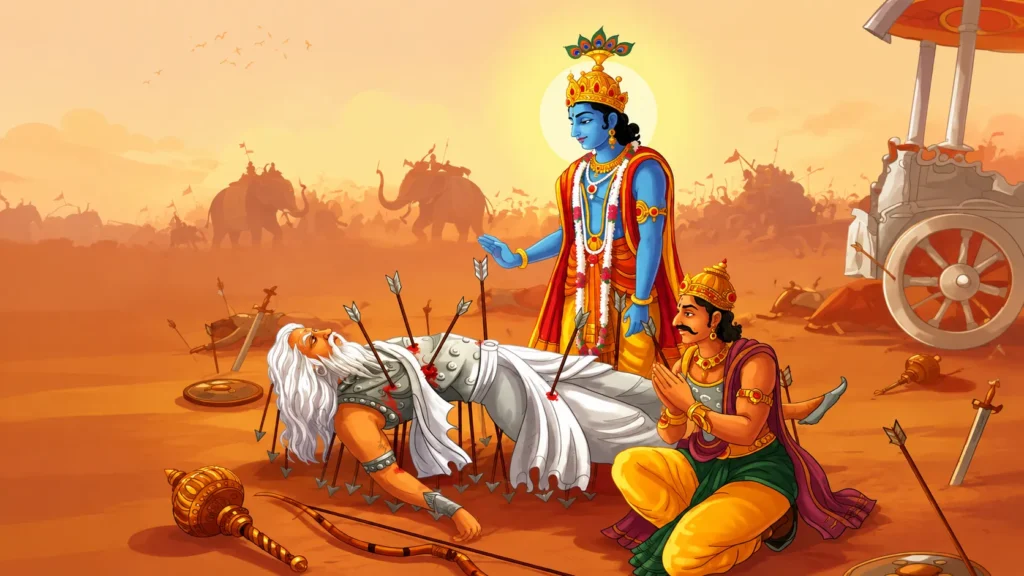
| Kamika Ekadashi Vrat Katha in English The Story: Once, Arjuna asked Lord Krishna about the Ekadashi that falls during the Krishna Paksha of the holy month of Shravana. He wished to know its name, significance, method of worship, and the spiritual benefits of observing the fast. In response, Lord Krishna said that this sacred Ekadashi is known as Kamika Ekadashi. He then narrated the teachings that Bhishma Pitamah had once shared with Devarshi Narada for the welfare of all people. Bhishma explained that observing Kamika Ekadashi with sincere devotion pleases Lord Vishnu more than many great religious acts. Worshipping Lord Vishnu with incense, lamps, flowers, and especially Tulsi leaves on this day is said to grant immense spiritual merit. The Mahatmya compares its benefits to performing great yajnas, bathing at sacred pilgrimage sites during eclipses, donating land and cows, and other highly revered acts of charity. The discourse further states that offering even a single Tulsi leaf to Lord Vishnu with a pure heart is more pleasing to Him than costly ornaments or precious jewels. Devotees who light a ghee lamp before the Lord, observe night vigil, and spend the day in prayer are believed to receive divine blessings and freedom from accumulated sins. The Mahatmya concludes by encouraging all devotees to observe Kamika Ekadashi with faith, self-restraint, and devotion, stating that such sincere observance ultimately leads a devotee toward Lord Vishnu’s grace and spiritual liberation. Krishna closes the story by telling Yudhishthira that anyone who observes this vrat with the same sincerity, right down to the Tulsi lamp and the night of remembrance, moves closer to freedom from sin and to Lord Vishnu’s grace. This is the Kamika Ekadashi vrat katha most widely read on the day of the fast, and hearing it is considered part of the observance itself. |
| कामिका एकादशी व्रत कथा हिंदी में कामिका एकादशी की महिमा का वर्णन भगवान श्रीकृष्ण ने अर्जुन को सुनाया था। इस प्रसंग में भगवान बताते हैं कि यह पावन कथा पहले भीष्म पितामह ने देवर्षि नारद को सुनाई थी। इस व्रत के माध्यम से भगवान विष्णु की उपासना, तुलसी की महिमा और सच्ची भक्ति का महत्व बताया गया है। भगवान श्रीकृष्ण और अर्जुन का संवाद महाभारत काल में एक बार अर्जुन ने भगवान श्रीकृष्ण से विनम्रतापूर्वक कहा, “हे प्रभु! आपने मुझे आषाढ़ शुक्ल पक्ष की देवशयनी एकादशी का माहात्म्य विस्तार से बताया। अब कृपा करके श्रावण मास के कृष्ण पक्ष में आने वाली एकादशी के विषय में भी बताइए। इसका नाम क्या है? इसकी पूजा-विधि क्या है? इस दिन किस देवता की आराधना की जाती है और इसका व्रत करने से भक्त को क्या फल प्राप्त होता है?” भगवान श्रीकृष्ण मुस्कुराए और बोले, “हे पार्थ! तुमने अत्यंत कल्याणकारी प्रश्न किया है। अब ध्यानपूर्वक सुनो। इस एकादशी का माहात्म्य प्राचीन काल में भीष्म पितामह ने लोककल्याण के लिए देवर्षि नारद को सुनाया था।” भीष्म पितामह और देवर्षि नारद का संवाद भगवान श्रीकृष्ण ने आगे बताया कि एक समय देवर्षि नारद ने भीष्म पितामह से निवेदन किया, “हे पितामह! मेरी इच्छा है कि आप श्रावण मास के कृष्ण पक्ष की एकादशी का महत्व, उसकी विधि और उसके फल का विस्तार से वर्णन करें।” नारदजी की प्रार्थना सुनकर भीष्म पितामह ने कहा, “हे नारद! यह अत्यंत पवित्र विषय है। श्रावण मास के कृष्ण पक्ष में आने वाली इस एकादशी को कामिका एकादशी कहा जाता है। इसका माहात्म्य इतना महान है कि केवल इसकी कथा का श्रद्धापूर्वक श्रवण करने से भी वाजपेय यज्ञ के समान पुण्य प्राप्त होने का वर्णन मिलता है।” उन्होंने बताया कि इस दिन शंख, चक्र और गदा धारण करने वाले भगवान विष्णु की धूप, दीप, नैवेद्य और भक्ति-भाव से पूजा करनी चाहिए। शास्त्रों में कहा गया है कि इस दिन श्रद्धा से भगवान विष्णु का पूजन करने से गंगा स्नान से भी श्रेष्ठ पुण्य प्राप्त होता है। भीष्म पितामह ने आगे समझाया कि सूर्य या चंद्र ग्रहण के समय केदार और कुरुक्षेत्र जैसे महान तीर्थों में स्नान करने से जो पुण्य मिलता है, वही पुण्य कामिका एकादशी के दिन भगवान विष्णु की सच्चे मन से आराधना करने पर प्राप्त हो जाता है। इतना ही नहीं, श्रावण मास में भगवान विष्णु की भक्तिपूर्वक पूजा का फल पृथ्वी सहित उसके वन और समुद्रों के दान से भी अधिक बताया गया है। उन्होंने यह भी कहा कि व्यतिपात योग में गण्डकी नदी में स्नान करने का जो पुण्य माना गया है, वही पुण्य इस दिन भगवान की उपासना से प्राप्त हो सकता है। इसलिए यदि कोई व्यक्ति बड़े यज्ञ, तीर्थयात्रा या दान करने में समर्थ न हो, तो भी श्रद्धा के साथ कामिका एकादशी का व्रत करके महान आध्यात्मिक फल प्राप्त कर सकता है। भीष्म पितामह के अनुसार, आभूषणों से सुसज्जित बछड़े सहित गौदान करने का जो पुण्य बताया गया है, वही पुण्य इस व्रत के पालन से भी प्राप्त होता है। जो श्रद्धालु इस दिन भगवान विष्णु की पूजा करते हैं, वे केवल भगवान को ही नहीं, बल्कि देवताओं, ऋषियों, नागों, किन्नरों और पितरों को भी संतुष्ट करते हैं। इसलिए पापों से मुक्ति की इच्छा रखने वाले प्रत्येक व्यक्ति को इस व्रत का पालन श्रद्धा और विधि-विधान के साथ करना चाहिए। उन्होंने आगे कहा कि संसार रूपी सागर और अपने कर्मों के बंधनों में फँसे मनुष्यों के लिए कामिका एकादशी एक ऐसा आध्यात्मिक साधन है, जो उन्हें पापों से मुक्त होने का मार्ग दिखाता है। स्वयं भगवान ने भी इस व्रत के महत्व का वर्णन करते हुए कहा है कि अध्यात्म विद्या से मिलने वाले महान फल के समान, बल्कि उससे भी अधिक फल कामिका एकादशी के श्रद्धापूर्वक पालन से प्राप्त होता है। ऐसा भक्त यमलोक के कष्टों से बचकर उत्तम गति का अधिकारी बनता है। तुलसी पूजा का विशेष महत्व भीष्म पितामह ने विशेष रूप से बताया कि कामिका एकादशी पर भगवान विष्णु को तुलसीदल अर्पित करना अत्यंत शुभ माना गया है। जो भक्त श्रद्धापूर्वक तुलसी के पत्तों से भगवान की पूजा करता है, वह संसार में रहते हुए भी कमल के समान संसार के दोषों से अछूता रहता है। शास्त्रों में तुलसी अर्पण का महत्व इतना अधिक बताया गया है कि भगवान विष्णु स्वर्ण, रजत, रत्न और बहुमूल्य आभूषणों से भी उतने प्रसन्न नहीं होते, जितने प्रेमपूर्वक अर्पित किए गए एक साधारण तुलसीदल से होते हैं। तुलसी के प्रति श्रद्धा रखने वाले भक्तों के पाप नष्ट होते हैं और उनके जीवन में आध्यात्मिक शुद्धि आती है। भीष्म पितामह ने तुलसीजी की महिमा का वर्णन करते हुए कहा कि उनके दर्शन, स्पर्श और सेवा से भी मनुष्य को पुण्य की प्राप्ति होती है। तुलसी को भगवान के श्रीचरणों में अर्पित करना मोक्षदायक माना गया है। जागरण और दीपदान का महत्व कामिका एकादशी की रात्रि में जागरण तथा भगवान के समक्ष दीपदान का भी विशेष महत्व बताया गया है। शास्त्रीय मान्यता के अनुसार, इस रात्रि किए गए पुण्य का पूर्ण लेखा-जोखा करना चित्रगुप्त के लिए भी कठिन बताया गया है। जो भक्त भगवान विष्णु के समक्ष घी या तिल के तेल का दीपक जलाते हैं, उनके पितरों को भी शुभ गति प्राप्त होती है। दीपदान को केवल एक धार्मिक अनुष्ठान नहीं, बल्कि श्रद्धा और समर्पण का प्रतीक माना गया है। कथा का संदेश इस प्रकार भीष्म पितामह ने निष्कर्ष रूप में कहा कि कामिका एकादशी का व्रत प्रत्येक श्रद्धालु को अपनी क्षमता और श्रद्धा के अनुसार अवश्य करना चाहिए। शास्त्रों में वर्णित है कि इस व्रत के प्रभाव से मनुष्य गंभीर पापों से मुक्ति पाकर इस लोक में सुखपूर्वक जीवन व्यतीत करता है और अंततः भगवान विष्णु की कृपा का पात्र बनता है। साथ ही, इस माहात्म्य का श्रद्धापूर्वक श्रवण और पठन भी अत्यंत पुण्यदायक माना गया है। कथा सार कामिका एकादशी का मूल संदेश यह है कि भगवान श्रीहरि बाहरी वैभव से अधिक निष्कपट भक्ति को महत्व देते हैं। तुलसीजी उन्हें अत्यंत प्रिय हैं, इसलिए श्रद्धा से अर्पित एक तुलसीदल भी अनमोल रत्नों और बहुमूल्य दानों से बढ़कर माना गया है। इस व्रत का उद्देश्य केवल उपवास करना नहीं, बल्कि भक्ति, आत्मसंयम और भगवान विष्णु के प्रति समर्पण के माध्यम से अपने जीवन को आध्यात्मिक रूप से पवित्र बनाना है। |
Why Tulsi Worship Is Important on Kamika Ekadashi?
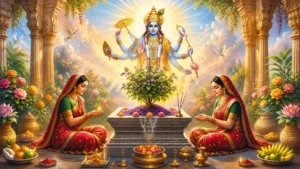
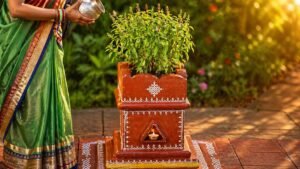
Tulsi worship on Kamika Ekadashi is considered unusually significant because a single fresh Tulsi leaf offered to Lord Vishnu on this day is believed to carry the power to leave the devotee untouched by sin. Lighting a ghee lamp beside the Tulsi plant at dusk and letting it burn through the night is a ritual specific to this Ekadashi, said to carry the same merit as donating a cow.
Most Ekadashis include Tulsi in their worship, but Tulsi worship on Kamika Ekadashi holds a distinct place. Tradition compares a devotee who offers Tulsi with devotion on this day to a lotus leaf untouched by the water around it, meaning the sin of the world cannot cling to someone who worships with a pure heart on this occasion.
The dusk lamp beside Tulsi is treated as the signature ritual of the day, separate from the general Vishnu puja, and many households consider the vrat incomplete without it.
Can Devotees of Lord Shiva Observe Kamika Ekadashi?
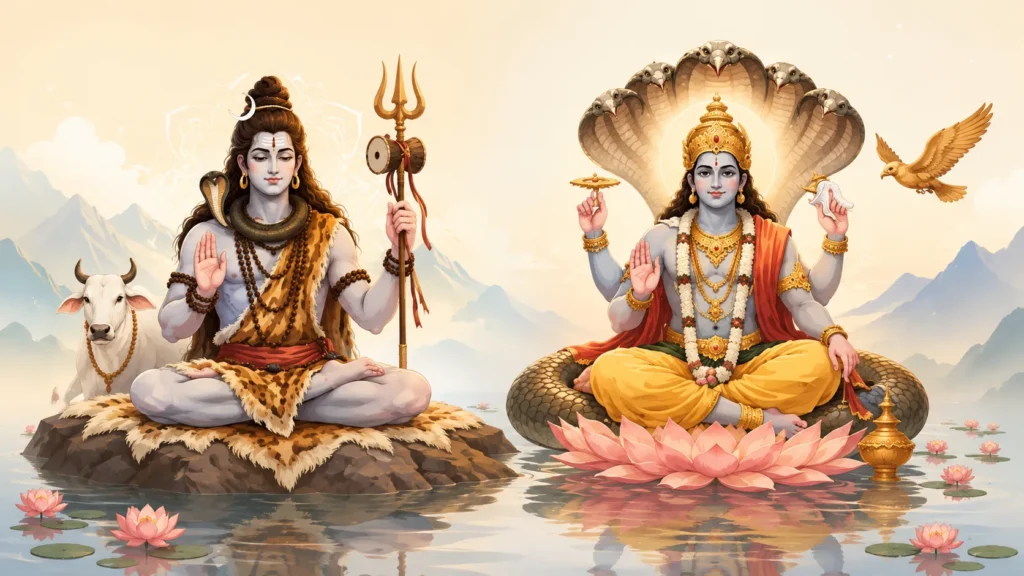
Yes. Kamika Ekadashi falls within Shravana, the month most closely associated with Lord Shiva, and there is no tradition that restricts Shiva devotees from observing it. Hindu practice generally treats Vishnu and Shiva worship as complementary, not competing, and Shravana itself is often described as a natural meeting point for both.
This overlap is sometimes called Hari-Hara devotion, referring to Vishnu (Hari) and Shiva (Hara) as two expressions of the same divine reality. In many households, the Tulsi lamp of Kamika Ekadashi is lit on the very same evenings that Shiva lamps are burning for Shravan Somvar observances elsewhere in the home.
A devoted Shaiva who keeps Shravana fasts can observe Kamika Ekadashi as part of the same monthly discipline, without any conflict between the two practices.
Timeline: From Dashami Preparation to Dwadashi Parana
The full Kamika Ekadashi vrat spans three days: Dashami preparation on August 8, the fasting day itself on August 9, and parana on the morning of August 10. Each stage has its own simple checklist, which makes the process easier to plan and follow correctly.
Saturday, August 8 – Dashami Evening
Take a purifying bath, wear clean clothes, and eat one light, grain-free, satvik meal before sunset. Avoid onion, garlic, alcohol, and non-vegetarian food from this point onward. Take the Sankalp, your formal vow, before the Vishnu altar.
Sunday, August 9 – Ekadashi Fasting Day
Wake before sunrise, bathe, and begin the fast. Perform morning puja with Tulsi, yellow flowers, and Panchamrit. Recite the Vishnu Sahasranama and the vrat katha. At dusk, light the ghee lamp beside Tulsi and let it burn through the night if possible.
Monday, August 10 – Dwadashi Parana
Wake before 5:47 AM, bathe, and offer water and Tulsi leaves to Lord Vishnu before taking the first sip. Break the fast with light sattvic food and complete the meal before 8:01 AM. Offer charity to the needy before closing the vrat.
Step-by-Step Kamika Ekadashi Puja Vidhi
Kamika Ekadashi puja vidhi follows the standard Ekadashi structure with two additions specific to this day: the dusk Tulsi lamp ritual and, where possible, a night vigil (Jagran). The core steps are Sankalp, Vishnu worship with Panchamrit, mantra chanting, the vrat katha, and parana the next morning.
1. Wake in Brahma Muhurta and Bathe: Rise before sunrise on August 9. Bathe with clean or Tulsi-infused water and wear fresh, preferably yellow or white, clothing before beginning any rituals.
2. Set Up the Altar: Place an idol or image of Lord Vishnu, ideally with a Shaligram Shila if your family tradition includes one, along with fresh Tulsi leaves, yellow flowers, incense, a diya, and fruit as offerings.
3. Perform Panchamrit Abhishek: Bathe the deity with a mix of milk, curd, ghee, honey, and sugar, then offer a Tulsi garland, incense, and a lit diya as part of the main worship.
4. Chant Mantras and Recite the Vishnu Sahasranama: Chant “Om Namo Bhagavate Vasudevaya” and recite the Vishnu Sahasranama. Read or listen to the Kamika Ekadashi vrat katha as part of the morning or evening worship.
5. Light the Tulsi Lamp at Dusk: In the evening, light a ghee lamp beside the Tulsi plant and let it burn through the night if possible. This is the ritual unique to Kamika Ekadashi and is treated as its most important act of devotion.
6. Observe Jagran if Possible: Staying awake through the night beside the lamp, chanting Vishnu’s names, is considered highly meritorious, though it remains optional for those who cannot manage it.
7. Break the Fast at Parana Time: Complete the vrat the next morning within the correct parana window. Offer Tulsi and water first, then eat light sattvic food, and donate to those in need before closing the observance.
Kamika Ekadashi Puja Samagri Checklist
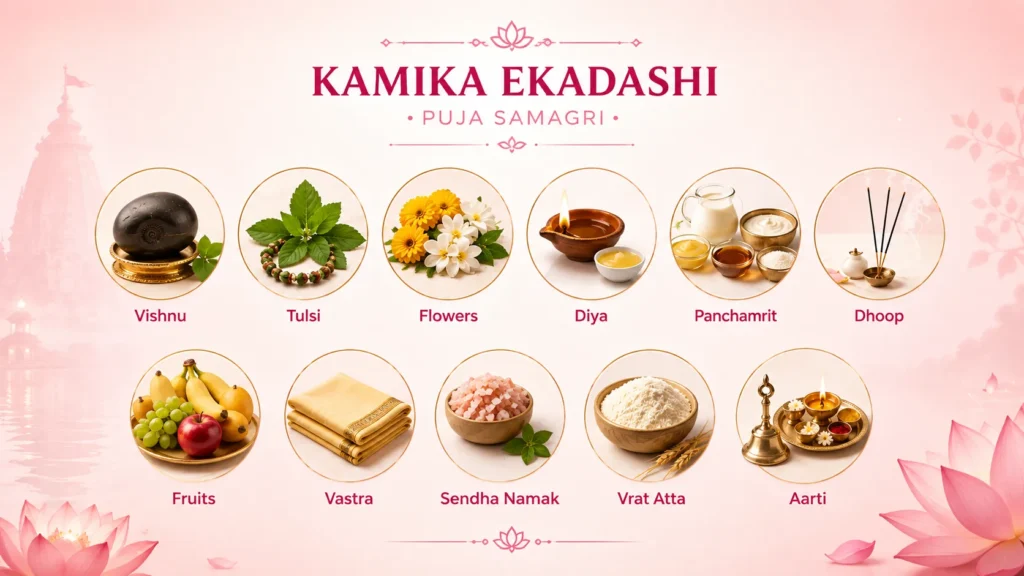
The basic Kamika Ekadashi puja samagri includes an idol or image of Lord Vishnu, fresh Tulsi leaves, yellow flowers, a ghee lamp, Panchamrit ingredients, incense, and fruit. Keep everything ready the evening before, since shopping for samagri on the fasting day itself is best avoided.
- Idol or picture of Lord Vishnu (Shaligram Shila if available)
- Fresh Tulsi leaves and a small Tulsi garland
- Yellow flowers such as marigold, plus a few white flowers
- A clean diya and pure ghee for the Tulsi lamp
- Milk, curd, ghee, honey, and sugar for Panchamrit
- Incense sticks or dhoop
- Fresh fruit for offering and for Phalahar
- A yellow or white cloth to drape the altar or idol
- Rock salt (sendha namak) and vrat-friendly flours if planning a Phalahar meal
- A small bell and a plate for aarti
Kamika Ekadashi Fasting Rules: Dos and Don’ts
Kamika Ekadashi dos and don’ts center on avoiding grains, beans, onion, and garlic, staying calm and truthful through the day, and completing the parana within the correct window. Anger and harsh speech are specifically discouraged, since the vrat katha itself traces its central sin to a moment of lost temper.
Do’s
- Wake early and bathe before starting any rituals
- Take a formal Sankalp before the fast begins
- Light the Tulsi lamp at dusk
- Recite the Vishnu Sahasranama and the vrat katha
- Perform charity on Dwadashi
- Break the fast strictly within the parana window
Don’t
- Eat grains, beans, onion, or garlic
- Argue, lie, or lose your temper
- Sleep through the day
- Consume alcohol or tobacco
- Cut nails or shave on the fasting day
- Break the fast before sunrise or after Dwadashi ends
Different Fasting Options Based on Health and Age
Kamika Ekadashi vrat rules allow four levels of fasting: Nirjala (no food or water), Jalahar (water only), Ksheerbhoji (milk-based food), and Phalahari (fruits only). Healthy adults may choose Nirjala for maximum merit, while pregnant women, elderly people, children, and anyone managing a health condition are guided toward the gentler Phalahar option.
- Nirjala: No food or water for the full day. Suited only to healthy adults with no medical restrictions.
- Jalahar: Fasting with only water through the day, a middle ground for those who want discipline without the full Nirjala intensity.
- Ksheerbhoji: Fasting on milk and milk-based foods such as curd or paneer, gentler on the body while still following the spirit of the vrat.
- Phalahari: Fasting on fruits, nuts, and vrat-specific flours like kuttu or singhare ka atta, recommended for pregnant women, elderly devotees, children, and anyone with a health condition.
Remember: What matters most across every option is sincerity rather than severity. A gentle Phalahar fast observed with genuine devotion is considered just as spiritually meaningful as a strict Nirjala vrat undertaken without the right intention.
Can We Drink Water During Kamika Ekadashi Fast?
Yes, water is allowed unless you are specifically observing a Nirjala, or waterless, fast. Most devotees follow a Jalahar or Phalahar approach, both of which permit water throughout the day.
Common Mistakes People Make While Observing the Fast
The most common mistakes on Kamika Ekadashi include eating grains by accident in packaged food, breaking the fast before sunrise or after the parana window closes, skipping the Sankalp, and treating the day as only a food restriction while ignoring its call to patience and calm speech.
- Hidden grains in packaged snacks: Many vrat-labeled namkeens still contain small amounts of besan or wheat starch. Always check ingredients rather than assuming a product is fasting-safe.
- Wrong parana timing: Breaking the fast before sunrise on Dwadashi, or after the window closes, is treated as an incomplete vrat. Set an alarm the night before to avoid missing it.
- Skipping the Sankalp: Beginning the fast without a formal vow is a common shortcut that takes away from the spiritual structure of the day.
- Forgetting the Tulsi lamp: Since this ritual is specific to Kamika Ekadashi, skipping it means missing the one act most closely tied to this day’s unique merit.
- Focusing only on food rules: The vrat katha centers on a moment of anger, not a meal. Treating the day purely as a diet restriction misses its core lesson on controlling speech and temper.
- Overdoing Nirjala without preparation: Attempting a full waterless fast without building up to it, especially in the August heat, can lead to dehydration. Build tolerance gradually or choose Phalahar instead.
Beginner’s Guide: How to Observe Kamika Ekadashi Fast for the First Time?
First-time observers should start with a Phalahar fast rather than Nirjala, prepare the puja samagri the night before, keep the routine simple, and focus on sincerity over strict rule-following. A gentle, well-prepared first attempt builds the habit far better than an overly ambitious one.
- Choose Phalahar, not Nirjala: Fruits, milk, and nuts make the first fast manageable without straining your body.
- Prepare the evening before: Keep samagri ready, eat a light Dashami meal, and set your alarm for Brahma Muhurta.
- Keep the puja simple: A basic altar with Tulsi, a diya, and sincere chanting matters more than an elaborate setup.
- Don’t force the night vigil(Jagaran): Staying awake until midnight is a reasonable first goal rather than the entire night.
- Read the vrat katha: Understanding the story behind the fast makes the observance feel meaningful rather than just a rule to follow.
- End with parana, not guilt: If something goes imperfectly on your first attempt, complete the parana calmly and try again with more preparation next time.
Scientific and Ayurvedic Perspective on Ekadashi Fasting
From an Ayurvedic standpoint, a periodic grain-free fasting day is believed to give the digestive system, or Agni, a chance to reset. In general wellness terms, short-term fasting is associated with reduced digestive load and a process called autophagy, where cells clear out damaged components, though individual results vary and this is not a substitute for medical advice.
Ayurveda has long recommended periodic Langhana, or lightening practices, and a monthly Ekadashi-style fast fits naturally into that idea. Reducing heavy, grain-based food for one day is thought to support digestive rest, which many traditional practitioners link to better appetite and energy on the days that follow.
On the modern wellness side, intermittent fasting patterns have drawn broad interest for their potential role in metabolic health, though the scientific evidence is still developing and varies by individual health status. Anyone with diabetes, low blood pressure, a history of eating disorders, or another medical condition should speak with a doctor before attempting a strict or waterless fast, regardless of the spiritual reasoning behind it.
Important note on framing:The section below discusses general wellness observations about periodic fasting. These are separate from, and should not be confused with, the scriptural and spiritual claims described earlier in this guide.
Kamika Ekadashi 2026 Parana Time and Rules
The Kamika Ekadashi 2026 parana time is 5:47 AM to 8:01 AM on Monday, August 10. This year’s window is unusually wide because Hari Vasara, the restricted first quarter of Dwadashi, ends the evening before, on August 9 itself, leaving the entire next morning free of restriction.
Parana should always happen after sunrise on Dwadashi and never during Ekadashi itself. If the window is missed entirely, tradition advises avoiding rice for the rest of that day and continuing on light Phalahar food instead, along with extra prayers seeking forgiveness for the oversight. The safest approach is simply to set an alarm well before the window opens.
Kamika Ekadashi Importance and Benefits
Kamika Ekadashi importance comes from its unusual power over grave sin, its placement inside the sacred Shravana month, and its unique Tulsi lamp ritual. The Brahmanda Purana links this fast to relief from Brahmahatya dosha, merit equal to pilgrimage bathing, and the peace of mind that comes with sincere repentance.
- Relief from serious sin: The Brahmanda Purana states this fast can lift even the weight of Brahmahatya dosha when observed with full sincerity.
- Pilgrimage-equivalent merit: Described as carrying merit similar to bathing at every sacred tirtha on earth.
- Cow-donation merit from the Tulsi lamp: The dusk lamp ritual beside Tulsi is said to carry the same merit as donating a cow.
- Shravana amplification: Falling within Shravana, one of the most spiritually active months of the year, adds further weight to the observance.
- Emotional and mental steadiness: The katha’s focus on anger and repentance gives the fast a practical lesson in patience alongside its spiritual merit.
Conclusion
Kamika Ekadashi is one of those observances where the intention behind the vrat matters just as much as the rituals themselves. If you observe a Nirjala fast, follow a simple Phalahar, or spend the day in prayer, the goal remains the same: to remember Lord Vishnu with a sincere heart.
Follow the vrat according to your health and family tradition, complete the parana at the right time, and don’t forget the simple offering that holds a special place on this day, Tulsi. Sometimes, a single leaf offered with devotion is considered more valuable than the grandest offering made without faith.
Frequently Asked Questions About Kamika Ekadashi
Yes. If you cannot observe a complete fast because of pregnancy, old age, a medical condition, or prescribed medication, you can still observe Kamika Ekadashi through sincere devotion. Many devotees perform Lord Vishnu’s puja, chant His names, read the vrat katha, offer Tulsi leaves, perform charity, and follow a simple sattvic diet instead of a strict fast. If you have a medical condition, consult your doctor before attempting any form of fasting.
Yes. Married women, unmarried women, and men can all observe Kamika Ekadashi. Hindu scriptures do not restrict this vrat to any particular gender or marital status. Devotees observe it to seek Lord Vishnu’s blessings, spiritual progress, and inner purification.
Kamika Ekadashi is dedicated to Lord Vishnu. However, because it falls during the holy month of Shravan, which is closely associated with Lord Shiva, many devotees worship both deities during this period. Hindu tradition generally regards the worship of Hari (Vishnu) and Hara (Shiva) as complementary rather than contradictory.
If your fast is broken unintentionally, remain calm and continue your worship with sincerity. Complete your prayers, perform the parana according to tradition if applicable, and seek Lord Vishnu’s forgiveness. Hindu scriptures place great importance on devotion and intention alongside external observances.
Tulsi worship is considered one of the most significant observances of Kamika Ekadashi. According to the traditional Kamika Ekadashi Mahatmya, offering Tulsi leaves to Lord Vishnu and lighting a ghee lamp beside the Tulsi plant are especially auspicious. If Tulsi leaves are unavailable, devotees may still worship Lord Vishnu with sincere devotion.
Devotees observing a Phalahar fast commonly consume fruits, milk, curd, nuts, coconut water, and vrat-friendly ingredients such as kuttu flour, singhara flour, and sendha namak. Grains, rice, wheat, lentils, onion, garlic, and non-vegetarian food are traditionally avoided.
Practices vary among families and traditions. Those observing a strict Nirjala or traditional vrat usually avoid tea and coffee. Devotees following a lighter Phalahar fast may consume tea or coffee if permitted by their family tradition, although milk and fruit-based options are generally preferred.
No. Jagaran is considered highly auspicious but is not compulsory. Those unable to remain awake throughout the night may spend some time chanting Lord Vishnu’s names, reading the vrat katha, or performing bhajans before resting.
The glory of Kamika Ekadashi is traditionally described in the Kamika Ekadashi Mahatmya, which is associated with the Brahmanda Purana. The Mahatmya explains the significance of Lord Vishnu’s worship, the importance of Tulsi, and the spiritual benefits of observing this sacred vrat.
Yes, but the observance should be adapted to their health and physical condition. Instead of a strict fast, children and elderly devotees may follow a simple sattvic or Phalahar diet while participating in Lord Vishnu’s worship, prayers, and the reading of the vrat katha.
Parana should ideally be completed within the prescribed Dwadashi window. If you accidentally miss it, many traditions advise continuing with a simple sattvic or Phalahar diet for the rest of the day and offering prayers to Lord Vishnu with humility. Since customs differ, following your family tradition or consulting a knowledgeable priest is advisable.
Yes. Kamika Ekadashi falls during the sacred month of Shravan, and many devotees observe both Shravan Somvar Vrat for Lord Shiva and Kamika Ekadashi for Lord Vishnu. Since Hindu tradition reveres both Hari and Hara, observing both fasts together is considered harmonious when done according to one’s health and family customs.
Most devotees continue their normal work while observing the vrat. The key is to maintain devotion, avoid prohibited foods, speak truthfully, and perform Lord Vishnu’s worship according to your schedule. If possible, complete the main puja during Brahma Muhurta or in the evening.
Yes. Many devotees observe Shravan Somvar, Pradosh Vrat, or other Shravan observances alongside Kamika Ekadashi. If observing multiple fasts feels physically demanding, adjust the level of fasting according to your health while maintaining the devotional aspects of each vrat.
Continue Reading More About Other Ekadashis…
- Devshayani Ekadashi: Date, Vrat Katha, Puja Vidhi & Why Lord Vishnu Sleeps
- Yogini Ekadashi 2026 Date, Parana Time, Rituals, Benefits & Vrath Katha
- Nirjala Ekadashi: The Most Powerful Ekadashi Vrat Explained
- What is Parama Ekadashi? Meaning, Vrat Katha and Spiritual Importance
- Padmini Ekadashi: Significance, Story, Vrat Rules & Spiritual Benefits
- Apara Ekadashi: The Ekadashi That Destroys Sins of Past Lives
The journey does not end here. Follow MFC on Instagram and Facebook to explore more sacred places, festivals, and living traditions of Sanatan Dharma.