

Purushottam Maas comes only once in nearly three years, yet for 30 days, Hindu Dharma asks devotees to slow down, avoid worldly distractions, and turn inward. No weddings. No major purchases. No new beginnings.
But why? What makes this sacred month so spiritually different that even everyday decisions are guided by special rules?
In this blog, we will understand every major Adhik Maas restriction clearly, simply, and through the lens of scripture, tradition, and practical life.
What Should You Avoid in Adhik Maas / Purushottam Maas?
The Adhik Maas restrictions cover four main areas. Avoid all auspicious ceremonies. Avoid major life events. Avoid tamasic food and habits. Avoid desire-driven purchases and luxury.
Specifically, Purushottam Maas rules prohibit the following:
- Marriage ceremonies and engagement rituals
- Griha Pravesh (house warming) and property purchase
- Mundan, thread ceremony, and ear-piercing rituals
- Starting a new business or major financial venture
- Consuming non-vegetarian food, onion, garlic, and alcohol
- Buying gold, silver, and luxury items
- Haircut, shaving, and nail-cutting (for strict observers)
- Engaging in lust, anger, gossip, and falsehood
These restrictions apply to Adhik Maas 2026, which runs from May 17 to June 15, 2026. Emergency situations are always an exception. The rules guide inner discipline. They do not override necessity.
Why Adhik Maas Has Restrictions?
Adhik Maas is not an ordinary month. The Hindu calendar adds it to balance the solar and lunar cycle. No Surya Sankranti (solar transit) occurs in this month. No ruling deity governs its energy.
This makes the month spiritually unique. But it also makes it unsuitable for worldly beginnings. Auspicious ceremonies in Hindu tradition need a ruling deity and a solar transit as their anchor. Purushottam Maas has neither.
Think of it this way. You do not plant a seed in empty, unsupported soil. You prepare the ground first. Adhik Maas restrictions exist for the same reason. They protect your actions from starting on unstable spiritual ground.
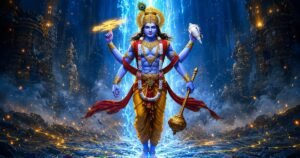
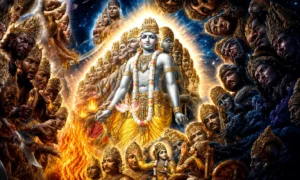
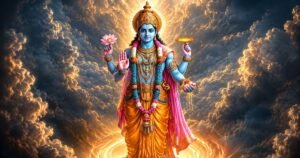
Lord Vishnu himself blessed this month as a month of inner work. He called it the best time for prayer, fasting, charity, and self-discipline. The restrictions keep the month’s energy aligned with that purpose.
The Principle: Hindu Dharma does not restrict to punish. It restricts to protect. Every Purushottam Maas rule points to one goal. Use this sacred month to grow inward, not outward.
Scriptural Basis of Adhik Maas Rules
The Purushottam Maas rules come from ancient and authoritative texts. They are not folklore. They are not regional superstition. They carry the weight of multiple Puranas and Panchang traditions.
Primary Source – Padma Purana
The Padma Purana is the most cited scripture for Adhik Maas me kya nahi karna chahiye. It directly lists the activities that bring negative karmic results when performed in this month. It also lists the spiritual rewards of right conduct during this period.
Supporting Source – Skanda Purana
The Skanda Purana supports the Padma Purana’s guidance on ceremonies. It specifically mentions that Vivah Samskar (marriage ceremony) and Griha Pravesh Puja done in Adhik Maas do not receive divine sanction from the ruling deities of those rituals.
Practical Authority – Regional Panchang and Jyotish Shastra
Regional Panchangs (Vedic calendars) across India consistently mark Adhik Maas as a period with no Shubh Muhurta for Shodasha Samskaras (16 life-cycle rituals). Jyotish Shastra agrees. No auspicious planetary alignment qualifies as Muhurta in this month for ceremonies.
Contextual Source – Dharmashastra Traditions
Dharmashastra literature classifies Purushottam Maas as a Nishiddha Kala (restricted period) for worldly beginnings. This does not mean the month is inauspicious. It means the month’s energy serves a different purpose: inner purification, not outer expansion.
“This month belongs to Purushottam, Lord Vishnu himself. Let no worldly Samskara begin here. Let only charity, prayer, and fasting fill its days.”
(Padma Purana, Uttara Khanda (paraphrased from traditional commentary)
Complete List of Prohibited Activities in Purushottam Maas
The Adhik Maas me kya avoid kare question has a clear answer. Prohibitions fall into four main categories. Study each one carefully before planning anything during this month.
Ceremonies & Rituals

- Marriage
- Engagement (Sagai)
- Griha Pravesh
- Mundan
- Upanayana (Thread Ceremony)
- Naamkaran (Naming)
- Ear piercing (Karnavedha)
Worldly Beginnings
- Buying property
- Starting a business
- New construction
- Moving into a new home
- Signing major contracts
- Starting a new job
Food & Habits
- Non-vegetarian food
- Onion and garlic
- Alcohol and intoxicants
- Eating outside on fast days
- Overeating
- Tamasic food
Purchases & Conduct
- Gold and silver jewelry
- Luxury items
- New vehicle purchase
- Gossip and falsehood
- Lust and anger
- Haircut (strict observers)
Adhik Maas Dos and Don’ts
| Activity | Allowed? | Scriptural Reason |
| Marriage / Vivah | Prohibited | No Shubh Muhurta exists; ruling deities do not sanction the ceremony |
| Griha Pravesh (House Warming) | Prohibited | Vastu deities are not invoked in Adhik Maas as per Dharmashastra |
| Property Purchase | Avoid | Worldly acquisition begins a new material journey; not aligned with this month |
| Starting a New Business | Avoid | New worldly beginnings lack divine support in this period |
| Mundan (Head Shaving Ritual) | Prohibited | Shodasha Samskaras are not performed in Adhik Maas |
| Thread Ceremony (Upanayana) | Prohibited | Samskara requires Shubh Muhurta; none available this month |
| Ear Piercing (Karnavedha) | Prohibited | Part of Shodasha Samskaras; restricted this month |
| Non-Vegetarian Food | Prohibited | Tamasic food opposes the satvik intent of the month |
| Onion and Garlic | Avoid | Classified as Tamasic; not suitable during devotional observance |
| Alcohol and Intoxicants | Prohibited | Directly opposed to the month’s purpose of clarity and purification |
| Buying Gold and Jewelry | Avoid | Desire-driven luxury purchase; contrary to the spirit of Nishkama Bhav |
| Haircut and Shaving | Debated | Strict observers avoid; many scholars permit it for hygiene and daily life |
| Normal Daily Work | Permitted | Earning livelihood and fulfilling duties is always permitted |
| Birthday Celebrations | Permitted | Continuations of existing life; not new worldly beginnings |
| Travel for Work or Pilgrimage | Permitted | Pilgrimage travel is especially meritorious this month |
| Essential Grocery and Daily Shopping | Permitted | Everyday needs are never restricted |
| Donating to temples and the poor | Encouraged | Daan is one of the three pillars of Adhik Maas observance |
Can You Perform Auspicious Ceremonies in Adhik Maas?
No, because hindu Samskaras need three conditions to carry full spiritual validity. They need a Shubh Muhurta (auspicious time). They need a ruling deity’s presence. They need a Surya Sankranti as a cosmic marker. Adhik Maas provides none of these three conditions.
Marriage (Vivah)
No Shubh Muhurta exists in this month. The ruling deity for Vivah Samskar does not receive invocation during Adhik Maas. Scriptures say marriages begun here lack complete divine support.
Not Permitted
Engagement (Sagai)
Sagai is the formal beginning of the marriage journey. It carries the same restriction as Vivah. Starting this process in Adhik Maas is traditionally avoided.
Not Permitted
Griha Pravesh
Griha Pravesh is a Vastu-based ritual that invites Vastu Purusha into a new home. The Vastu deities do not receive a formal invitation in Adhik Maas. This makes the ceremony incomplete by Dharmashastra standards.
Not Permitted
Mundan Ceremony
Mundan is part of the Shodasha Samskaras. All 16 life-cycle rituals are avoided in Adhik Maas. They do not receive a qualifying Muhurta in this period.
Not Permitted
Thread Ceremony (Upanayana)
Upanayana marks the beginning of a student’s Vedic learning. It is one of the most important of the Shodasha Samskaras. It cannot begin without a Shubh Muhurta. None qualifies in Adhik Maas.
Not Permitted
Ear Piercing (Karnavedha)
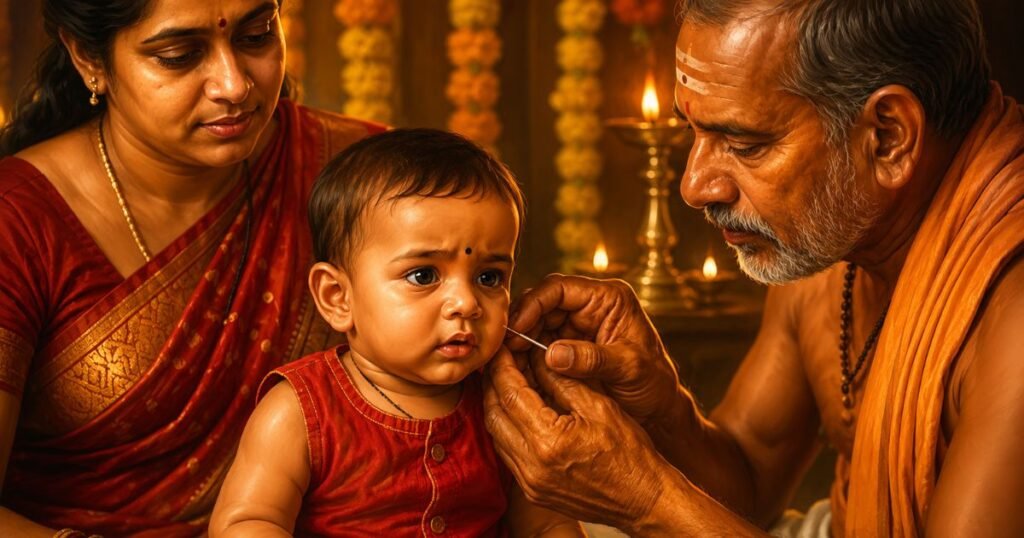
Karnavedha is a Samskara performed in infancy or early childhood. Like all Shodasha Samskaras, it requires a qualified Muhurta. This month does not provide one.
Not Permitted
Birthday Celebrations
Birthdays are continuations of existing life, not new worldly beginnings. Scriptures do not restrict birthday observances. Keep the celebration simple and satvik.
Permitted
Death Rituals (Antim Sanskar)
Death rituals are performed out of necessity, not choice. They are never restricted in Adhik Maas or any other period. Shradh, Pind Daan, and cremation proceed normally.
Always Performed
Important Note for Families: If a ceremony was already planned and paid for before Adhik Maas began, consult your family Pandit. Some regional traditions allow ceremonies already in motion to proceed. Blanket rules always have contextual exceptions in Dharma.
Food and Habit Restrictions Explained
Adhik Maas me kya nahi karna chahiye includes clear guidance on food. The month demands a satvik diet. Satvik means pure, light, and conducive to mental clarity.
What You Must Absolutely Avoid: Strictly Prohibited Foods in Purushottam Maas
- Non-vegetarian food of any kind (meat, fish, eggs)
- Onion and garlic (classified as Tamasic in Ayurveda and scripture)
- Alcohol, wine, beer, and all intoxicating drinks
- Tobacco and recreational drugs
- Grains and lentils on Ekadashi fast days (for those observing strictly)
- Stale, reheated, and processed packaged food
- Food cooked with excess spice and oil
What To Eat During Purushottam Maas?
- Fresh fruits and dry fruits
- Milk, curd, and paneer
- Sabudana (tapioca pearls)
- Kuttu atta and singhara atta
- Sweet potato and sama rice
- Rock salt in place of table salt
- Ghee and sesame oil
- Yellow moong dal (outside fast days)
- Green vegetables cooked simply
- Tulsi leaves in water daily
Why is onion and garlic not allowed in Adhik Maas?
Ayurveda and Yoga philosophy classify onion and garlic as Rajasic and Tamasic. They stimulate passion and dullness of the mind. During Purushottam Maas, the goal is mental clarity for prayer. Avoiding these helps achieve that clarity.

What Purchases to Avoid in Adhik Maas?
The Adhik Maas dos and don’ts around purchases are based on one principle. This month turns attention inward. External acquisition for desire and status works against that direction.
Can we buy property in Purushottam Maas? Buying property in Purushottam Maas is traditionally avoided. Property purchase begins a major new worldly journey. It requires a Shubh Muhurta for the legal and spiritual process to begin correctly. No Shubh Muhurta qualifies in Adhik Maas. Scholars consistently advise waiting until the month ends. If the purchase was already contractually in motion before the month began, consult your Pandit for guidance.
PURCHASES THAT ARE FINE Daily groceries and household essentials Medicines and health items Books, especially sacred texts Puja items and devotional materials Clothes for daily use (not luxury) Feeding animals and birds (always good) Charity and Daan spending | PURCHASES TO AVOID Gold, silver, and jewelry Real estate and property New vehicle for luxury or status Expensive electronics without need Luxury clothing and fashion items New furniture as a lifestyle upgrade Major financial investments |
The spirit behind these restrictions is clear. Purushottam Maas asks you to reduce external wanting. Every hour spent chasing acquisition is an hour taken from devotion. The month is short. It lasts only 30 days.
The Deeper Logic of Avoiding Purchases
The Padma Purana says that material desire is the primary obstacle to spiritual growth. This month, Lord Vishnu invites you to experience one full month without that pull.
Restricting major purchases is not deprivation. It is an experiment. It asks: can I be content with what I have for 30 days? That experiment builds a form of inner strength that no material purchase ever can. Try it. Most devotees report that the month of fewer purchases brings unexpected peace.
Can You Cut Hair or Shave in Adhik Maas?
The traditional view says no. Strict observers avoid haircuts, shaving, and nail-cutting for the full month. The reasoning connects to the Tapasya (austerity) spirit of the month. Grooming rituals are seen as acts of bodily vanity that pull attention away from inner practice.
However, many contemporary Vedic scholars take a more moderate position. They argue that haircuts for hygiene, professional work, or basic daily life are not prohibited. The restriction was originally intended for the body of the Vrat, not for daily hygiene.
Our guidance: If you observe Purushottam Maas rules strictly, avoid haircuts. If you follow a moderate path, trim for hygiene but avoid elaborate grooming sessions driven by vanity.
| Grooming Activity | Strict View | Moderate View |
| Haircut | Avoid | Permitted for hygiene |
| Shaving (face/body) | Avoid | Permitted for work necessity |
| Nail cutting | Avoid | Permitted when needed |
| Bathing and cleanliness | Encouraged daily | Encouraged daily |
| Oil application and head massage | Permitted | Permitted |
| Makeup and fashion grooming | Avoid vanity | Minimal, for work |
Bottom Line: No single pan-India ruling exists on haircuts in Adhik Maas. Follow your family tradition and your Pandit’s guidance. The intent of the rule matters more than its letter. Are you avoiding grooming to practice austerity? Or are you avoiding it out of superstition? That difference defines your observance.
What to Avoid Mentally and Emotionally in Purushottam Maas?
The Adhik Maas restrictions are not only about actions. They are equally about the inner life. The Padma Purana is explicit on this point. Outer discipline without inner discipline carries only partial merit. Avoid these:
1. Anger and Aggression: The Padma Purana lists Krodha (anger) as a direct obstruction to spiritual merit. Anger during puja or fasting nullifies the benefit of that day’s practice. Practice patience actively this month.
2. Gossip and Slander: Speaking ill of others is called Ninda in scripture. Ninda is listed as a specific violation of the month’s conduct code. It harms your own merit regardless of whether what you say is true.
3. Falsehood and Deception: Asatya (falsehood) and Kapata (deception) are especially harmful this month. The month’s energy amplifies all actions, good and bad. A lie in Adhik Maas carries heavier karmic weight.
4. Lust and Excess Desire: Kama (desire) and Lobha (greed) pull the mind toward the material world. This month asks for Nishkama Bhav (desirelessness). Strict observers practice celibacy. All observers reduce sensory indulgence.
5. Laziness in Spiritual Practice: Tamas in the form of spiritual negligence is its own violation. Missing puja, skipping chanting, or abandoning your vrat without reason works against the month’s purpose.
6. Pride and Ego: Ahankara (ego) is what the month specifically asks you to dissolve. Performing all the rituals while holding pride destroys the inner merit of every outer action. Humility is the core inner discipline.
What the Padma Purana Says About Inner Conduct?
The Padma Purana is direct. It says a person who observes all outer rules of Purushottam Maas but speaks harshly, lies, or holds ego is like a lamp that gives no light.
The outer rules create the container. The inner rules fill it. Without both, the container stays empty.
This month, before each act of prayer, ask yourself one question: Am I doing this for God, or for how it looks? That one question is a complete inner practice in itself.
Important Exceptions to the Rules
Hindu Dharma is never rigid. Every rule exists within a context. Purushottam Maas rules have clear and accepted exceptions. Knowing them prevents unnecessary guilt and confusion. The following situations do not violate the spirit of the month’s restrictions:
- Death rituals: Antim Sanskar, cremation, Shradh, and Pind Daan proceed without any restriction.
- Medical emergencies: Surgery, hospitalization, and medical procedures are never restricted.
- Existing legal and contractual obligations: Contracts already signed before the month began can proceed.
- Essential travel for work or family duty: All work travel and professional duties continue normally.
- Emergency property needs: Renting a home out of urgent necessity differs from a desire-driven luxury purchase.
- Health-based diet changes: If a doctor prescribes non-satvik food for medical reasons, follow the doctor. God understands necessity.
What if a ceremony was already planned and booked before Adhik Maas was announced?
This is a practical situation many families face. If you had a marriage, Griha Pravesh, or Mundan booked before the Adhik Maas dates were widely known, consult your family Pandit. Some regional traditions recognize the prior intent as valid. Others advise postponement regardless. There is no single universal answer. Follow your Kul Parampara (family tradition) and your Pandit’s guidance. Do not let this cause anxiety. God knows the sincerity behind the action.
The Principle of Apad Dharma:
Dharmashastra recognizes Apad Dharma, the code of conduct for emergency and unavoidable circumstances. When necessity overrides choice, the rules of the regular period give way. This is not a loophole. It is built into the system intentionally.
Conclusion
The Adhik Maas restrictions are not walls. They are guardrails.
They do one simple thing. They protect the energy of the month. They keep its purpose intact. This month belongs to Lord Vishnu. He called it his own. He asked one thing in return. Use it for inner growth, not outer expansion.
Avoid the ceremonies. Postpone the purchases. Skip the non-satvik food. Speak less. Pray more. Give something to someone who needs it.
Purushottam Maas 2026 runs from May 17 to June 15. That is exactly 30 days. Not a lifetime. Not a year. Just 30 days of living differently.
The Padma Purana says that every sincere act in this month echoes forward. Lord Vishnu does not forget what you offer him in his own month.
Let the world wait for 30 days. Give this month what it was designed for.
🕉 Jai Purushottam. Jai Srihari Vishnu. 🙏
Frequently Asked Questions (FAQs)
1. Can we marry in Adhik Maas?
No. Marriage in Adhik Maas is not permitted according to Hindu Dharma. No Shubh Muhurta qualifies for Vivah Samskar in this month. The Padma Purana and regional Panchangs across India consistently prohibit marriage ceremonies in Purushottam Maas. The ruling deities for Vivah do not receive formal invocation in this period. Families should plan weddings before May 17 or after June 15, 2026.
2. Can we buy property in Purushottam Maas?
Property purchase is traditionally avoided in Purushottam Maas. Buying property begins a major new worldly chapter. This requires a Shubh Muhurta, which this month does not provide. The spirit of the month also points away from material acquisition. If a purchase is urgent and cannot be delayed, consult your Pandit. Apad Dharma (the rule for emergency circumstances) applies in genuine necessity situations.
3. Can we cut hair in Adhik Maas?
Strict observers avoid haircuts for the full month as part of their Tapasya. However, this rule is interpreted differently across regions and communities. Many scholars and Pandits today permit haircuts for professional necessity and basic hygiene. The prohibition was originally intended to discourage vanity, not to create hardship. Follow your family tradition. If in doubt, ask your Pandit.
4. Can we eat non veg in Purushottam Maas?
No. Non-vegetarian food is clearly prohibited throughout Adhik Maas. The Padma Purana describes this month as a period of satvik living. Meat, fish, and eggs carry Tamasic energy that directly opposes the devotional intent of the month. This restriction applies for all 30 days, not just on fast days. If you have a medical dietary requirement, consult your doctor and your Pandit together.
5. Can we start new work in Adhik Maas?
Starting new work in Adhik Maas depends on what kind of work you mean. Continuing your existing job, business, and professional duties is fully permitted. Starting an entirely new business, launching a major new venture, or signing a new employment contract as a fresh beginning is traditionally avoided. The restriction applies to new worldly beginnings, not to ongoing professional life.
6. Can we do Griha Pravesh in Adhik Maas?
No. Griha Pravesh in Adhik Maas is not performed. Griha Pravesh is a Vastu ritual that invites divine energy into a new home. It requires Vastu deities to be formally invoked through a qualified Muhurta. No qualifying Muhurta exists in Purushottam Maas. This ceremony should be scheduled before May 17 or after June 15, 2026. Moving into a home for emergency or rental reasons differs from performing a formal Griha Pravesh Puja.
7. What activities are prohibited in Purushottam Maas?
The main activities prohibited in Purushottam Maas are: all Shodasha Samskaras (marriage, Mundan, Upanayana, ear piercing, Naamkaran), Griha Pravesh Puja, buying property, starting a new business, consuming non-vegetarian food, consuming alcohol, eating onion and garlic, buying gold and luxury items, indulging in gossip and anger, and speaking falsehood. Daily work, normal life, travel, and essential purchases continue without restriction.
8. What should be avoided in Adhik Maas for women specifically?
Women observe the same Adhik Maas restrictions as all devotees. Additionally, during the menstrual cycle, women traditionally avoid direct temple visits and puja items by touch, according to regional custom. However, chanting, listening to scripture, mental prayer, and performing Daan are fully permitted at all times. The spiritual intent and the sincerity of the heart carry full merit without any restriction.
9. Is it bad luck to start something new in Adhik Maas?
The concept is not about luck in the superstitious sense. Adhik Maas simply does not have the cosmic conditions that support new worldly beginnings. The month lacks a Surya Sankranti and a ruling deity for material ceremonies. Think of it as choosing to plant a seed without sunlight. The seed is not cursed. The conditions simply do not support its growth at that moment.
10. Can we do Havan and Yagya in Adhik Maas?
Yes. Devotional Havans, Vishnu Yagyas, and prayer-based rituals are not only permitted but encouraged in Purushottam Maas. The prohibition covers worldly Samskaras, not devotional fire rituals. Satyanarayan Katha, Vishnu Abhishekam, and Bhagwat Katha are actively recommended during this month.
11. Can we travel internationally or move cities during Adhik Maas?
Travel for work, family duty, or pilgrimage is fully permitted. Moving cities for a job relocation or a family need is also fine. The restriction applies to new worldly beginnings like starting a business or a formal Griha Pravesh, not to travel and movement in general. Pilgrimage travel to sacred sites is actually considered especially meritorious during Adhik Maas 2026.
12. Does Adhik Maas 2026 affect business investments and the stock market?
Traditional Purushottam Maas rules advise against starting major new financial ventures this month. For existing investments, portfolios, and trading activity that was already ongoing, no restriction applies. The advice to avoid major new financial beginnings comes from the absence of Shubh Muhurta, not from a general prohibition on financial activity.
The journey does not end here. Follow MFC on Instagram and Facebook to explore more sacred places, festivals, and living traditions of Sanatan Dharma.