
For every Hindu woman, Karwa Chauth is not just any other fast. It’s a promise of love and togetherness even until the last breath. It is one of those rituals that folds a generation into a single night. From delicious sargi to mehendi on hands creates the essence of calm and compassion in the home.
In 2026, Karva Chauth will be celebrated on Thursday, 29th October, according to the Hindu lunar calendar. Let’s explore the timings, rituals, fasting rules, and pooja steps that make this festival so special.
Karwa Chauth 2026 Timings Across the World
Karwa Chauth 2026 will be celebrated by Hindus around the globe, from Delhi to Dubai, London to Sydney. Below is a simple guide with Karwa Chauth timings, moonrise hours, and fasting windows in both the Hindu calendar and modern time format, so you can observe your fast with accuracy no matter where you live.
Karwa Chauth 2026 Global Timing Table
Here’s your quick reference table for moonrise and puja timings without timezone headache.
| Country | Date | Hindu Tithi Chaturthi | Puja Muhurat | Moonrise Time | Fasting Window |
|---|---|---|---|---|---|
| India | 29 Oct 2026 | Oct 28, 11:36 PM → Oct 29, 8:39 PM | 5:41 PM – 6:57 PM | 8:29 PM | 6:25 AM – 8:29 PM |
| New York, USA | 29 Oct 2026 | Local Chaturthi | 6:05 PM – 7:15 PM | 7:32 PM | 6:45 AM – 7:32 PM |
| Toronto, Canada | 29 Oct 2026 | Local Chaturthi | 6:10 PM – 7:20 PM | 7:36 PM | 6:50 AM – 7:36 PM |
| London, UK | 29 Oct 2026 | Local Chaturthi | 4:45 PM – 5:55 PM | 5:52 PM | 7:10 AM – 5:52 PM |
| Dubai, UAE | 29 Oct 2026 | Local Chaturthi | 5:30 PM – 6:40 PM | 7:58 PM | 6:10 AM – 7:58 PM |
| Sydney, Australia | 29 Oct 2026 | Oct 29, 1:06 AM → Oct 29, 10:09 PM | 6:50 PM – 8:00 PM | 8:12 PM | 5:45 AM – 8:12 PM |
What is Karwa Chauth?
Karwa Chauth is a festival when married women observe a nirjala fast, abstaining from food and water from sunrise to moonrise, as they pray for their husband’s long life, safety, and prosperity. Many unmarried women also keep the fast, seeking a loving and worthy partner.
The word Karva means an earthen pot, and Chauth means the fourth day. It signifies the festival falls on the fourth day after Purnima, the full moon in the Hindu month of Kartik.
It’s not just about devotion. It’s about faith and emotional bonding. The rituals of Karva Chauth symbolize strength, endurance, and the sacred balance of love and prayer in a loving relationship.
The Story Behind Karwa Chauth Vrat

Karwa Chauth is a symbol of a beautiful blend of love, loyalty, and divine strength. Across centuries, two stories have carried their essence: the Veeravati Katha and the Karva-Yama legend.
The Story of Queen Veeravati
Once upon a time, there lived a kind and devoted queen named Veeravati. On her first Karwa Chauth after marriage, she observed the fast with complete faith, no food, no water, only prayer for her husband’s long life.
But as evening came, she grew weak. Seeing her struggle, her loving brothers couldn’t bear it. They cleverly placed a mirror in a tree to make it look like the moon had risen. Believing it was time, Veeravati broke her fast.
Moments later, word arrived that her husband had fallen ill. Realizing the mistake, she prayed with deep repentance to Goddess Parvati, who appeared and blessed her. Her devotion restored her husband’s life, and from that day, the fast of Karwa Chauth came to symbolize a woman’s pure love and endurance.
The Story of Karva and Lord Yama
In another legend, the festival finds its roots in the courage of a devoted wife named Karva. Her husband was once attacked by a crocodile while bathing in a river. With her sheer strength of faith, Karva tied the crocodile with a cotton thread and prayed to Yama, the god of death, to save her husband.
Yama, moved by her devotion, not only spared her husband’s life but also granted the couple long years together. It’s said this act of love and unwavering dharma gave the festival its name, Karva Chauth, the fourth day of the month, dedicated to Karva’s steadfast devotion.
Step-by-Step Rituals and Pooja Vidhi
The evening rituals of Karva Chauth are beautiful and deeply symbolic. Here’s how the vrat vidhi usually unfolds:
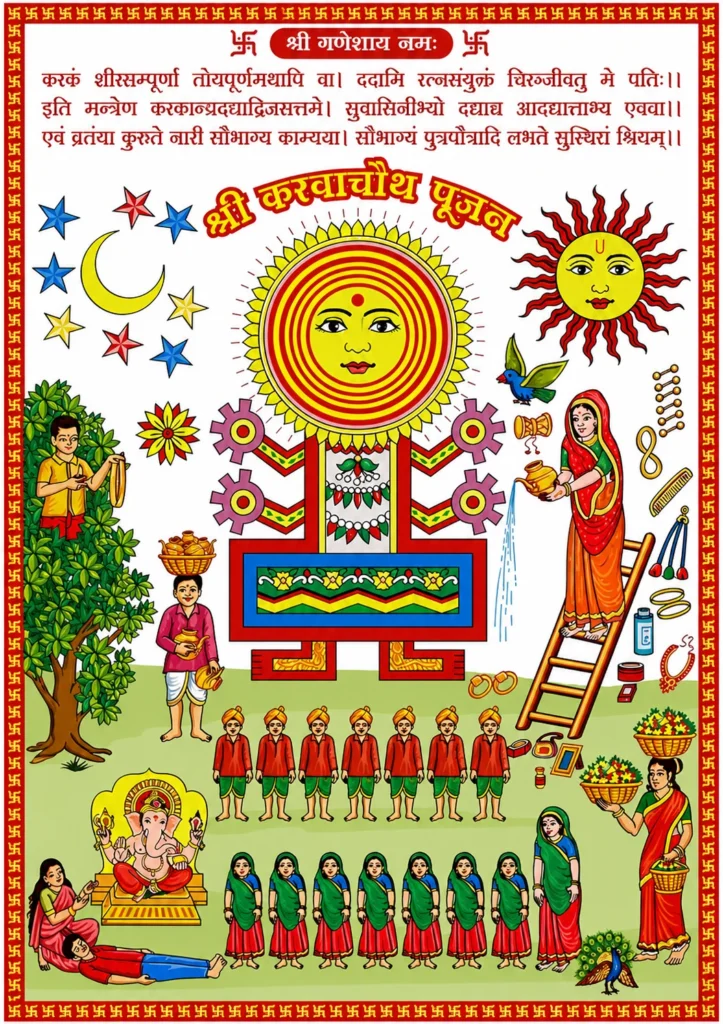
- Prepare the Puja Thali: Decorate your thali with diya, karva, sweets, flowers, and a sieve.
- Dress Traditionally: Most women wear bright sarees or lehengas and apply mehndi to show joy and love.
- Gather for Puja: Women sit in a circle, singing Karva Chauth songs, and one of them narrates the Karva Chauth Katha.
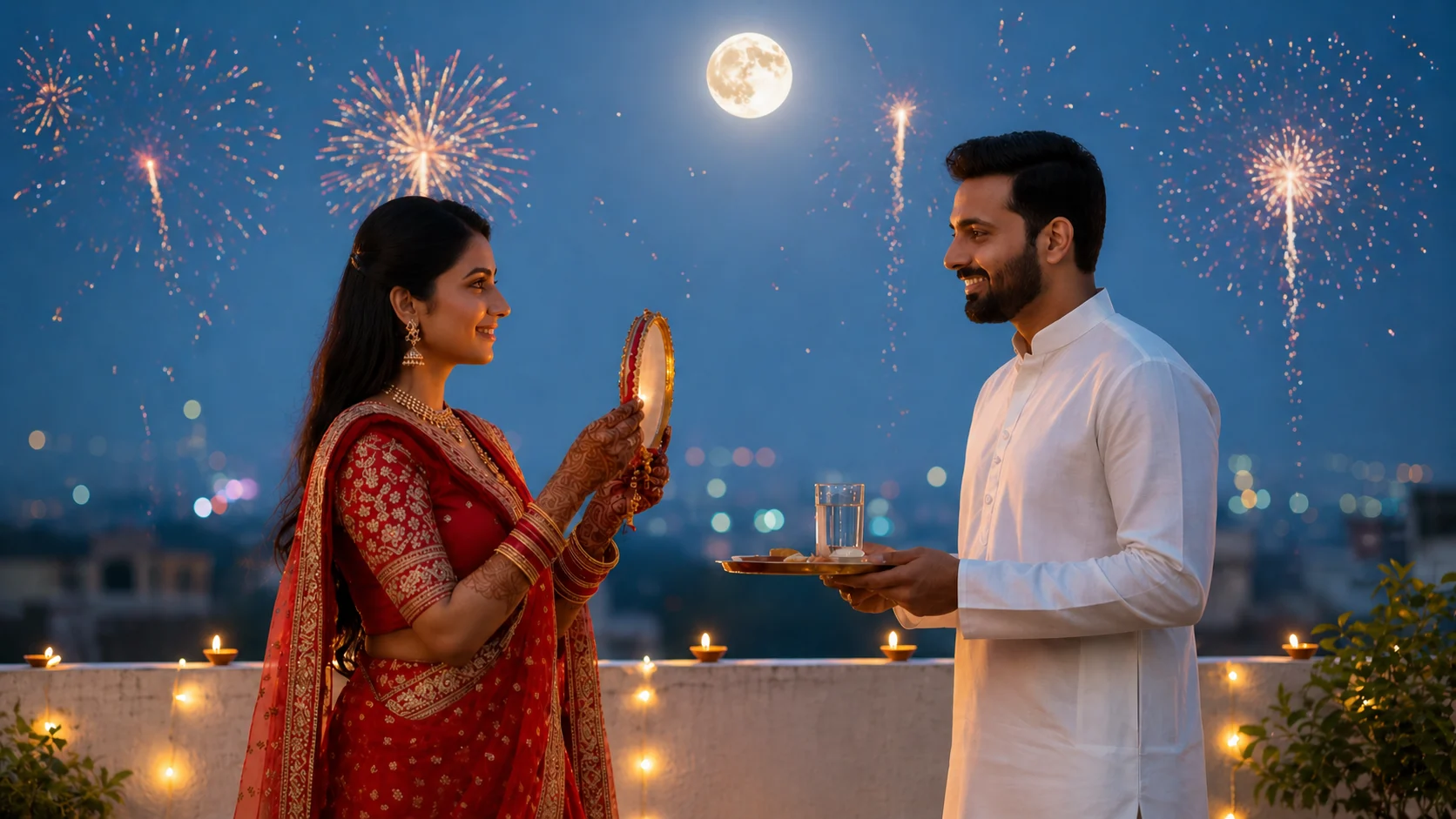
- Offer Arghya to the Moon: Once the moon rises, women see it through a sieve, offer water, and pray for their husband’s longevity.
- Break the Fast: The husband then helps his wife drink water or take the first bite, marking the end of the fast with love and blessings.
The act of seeing your husband’s face through the sieve is more than ritual. It’s symbolic of clarity, respect, and divine connection.
Conclusion
Karwa Chauth 2026 is a living tradition that adapts across continents while staying rooted in its origins. Observing the fast, performing the puja, and offering the Karwa connect women to centuries of devotion, whether in Delhi, Toronto, Sydney, or Dubai.
Paying attention and performing the steps with awareness, from Sankalp to charity, gives the fast its full meaning. By blending devotion with intention, Karva Chauth continues to be a meaningful practice that brings focus, mindfulness, and a sense of continuity to modern life.
At My Favorite Corner, we write from within the tradition, with reverence for the scriptures and love for the path. If this piece spoke to you, share it with someone on their spiritual journey. For more such reflections, follow us on Instagram and Facebook, and stay connected to the path of bhakti.