




Have you ever thought, why do we wear yellow on Vasant Panchami? Why is it celebrated as the arrival of spring and blooming flowers? Well, beneath its gentle beauty lies a deeper purpose. The significance of this day is not just a seasonal celebration. It is a reminder that growth begins with knowledge, clarity, and the willingness to start again.
Celebrated on the fifth day of the bright half of the Hindu month of Magha, Vasant Panchami marks a shift. Nature begins to wake up, and so does the human mind. This festival invites us to pause before rushing ahead and ask a simple question: What are we learning, and where are we beginning from?
Vasant Panchami 2026 Date and Timing
- Vasant Panchami 2026 date: Friday, January 23, 2026.
- Hindu calendar basis: The festival falls on Panchami Tithi of Shukla Paksha in the month of Magha.
- Panchami Tithi begins: 02:28 AM on January 23, 2026.
- Panchami Tithi ends: 01:46 AM on January 24, 2026.
- Vasant Panchami Muhurat: The auspicious puja time is from 07:13 AM to 12:33 PM.
- Muhurat duration: The total duration of the Muhurat is 5 hours and 20 minutes.
- Madhyahna moment: It Madhyahna occurs at 12:33 PM.
- Preferred puja time: Saraswati Puja is ideally performed during the morning to midday hours within Panchami Tithi.
- Gregorian alignment: Due to its lunar basis, Vasant Panchami appears on different dates each year in the Gregorian calendar.
What Is Vasant Panchami?
Vasant Panchami is a traditional Hindu festival that welcomes the arrival of spring just like Makar Sankranti. It usually falls between late January and early February. Fields begin to turn green, flowers start blooming, and the harshness of winter slowly fades.
In Indian tradition, spring is not just a season. It is a state of balance. The cold has softened, the heat has not yet arrived, and life feels possible again. That is why this day is seen as an auspicious time. It represents harmony in nature and clarity in thought.
This festival is observed across different regions of India in simple yet meaningful ways. Some celebrate it through Maa Saraswati Puja, while others mark it quietly by wearing yellow or preparing seasonal food. The heart of the festival remains the same everywhere.
Why Vasant Panchami Is Linked to Knowledge and Learning?
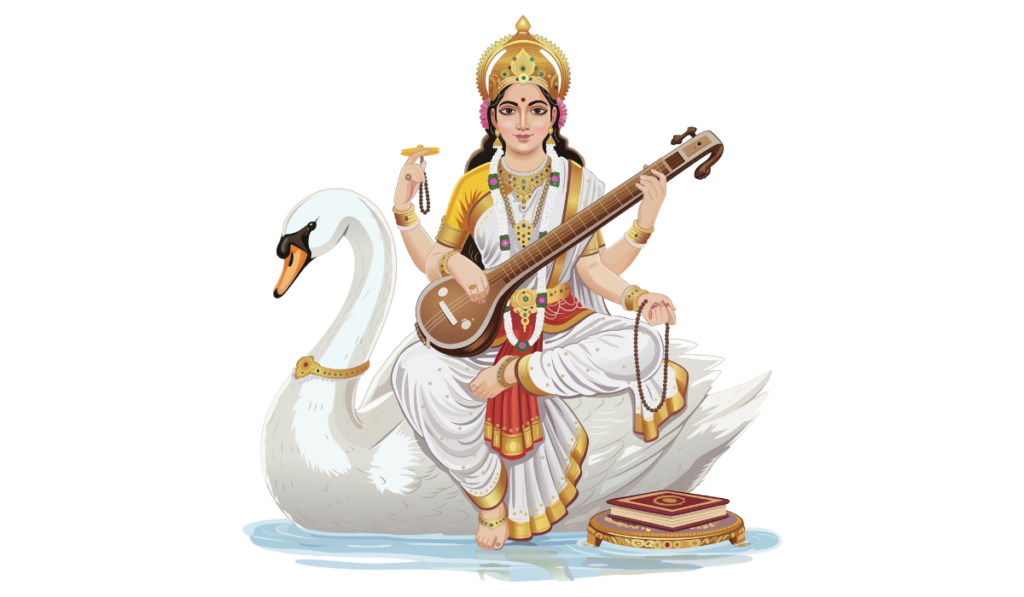
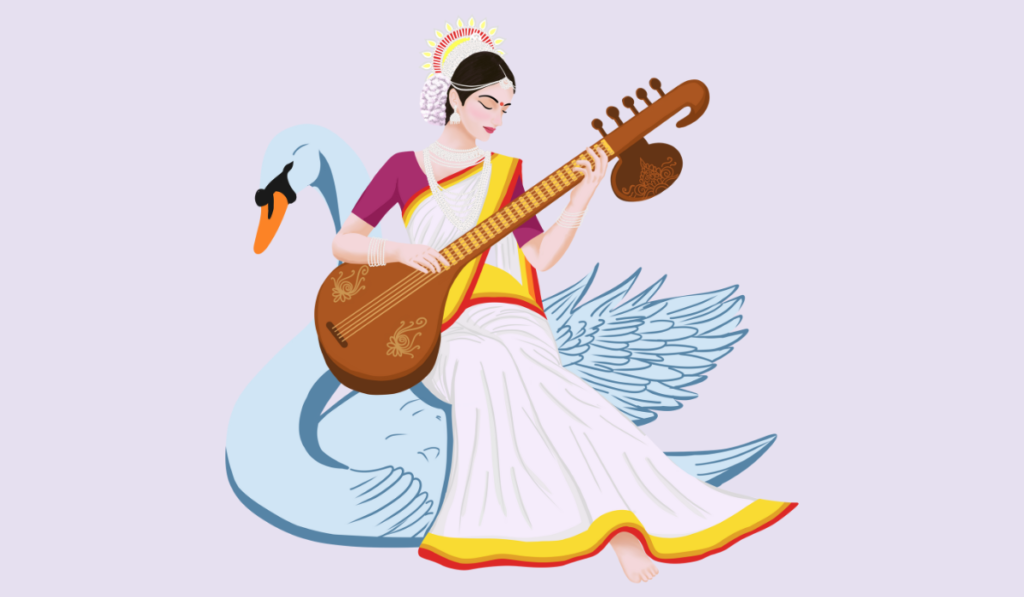
The most important aspect of Vasant Panchami is its association with learning and wisdom. The day is dedicated to Maa Saraswati, who represents knowledge, art, music, speech, and understanding.
In many homes, books, notebooks, musical instruments, and study tools are placed near the murti of Maa Saraswati during worship. Children are encouraged to begin their education on this day. Artists and writers seek clarity and inspiration. Students pray not just for success, but for understanding.
The festival subtly reminds us that knowledge is sacred. Learning is not only about careers or marks. It is about becoming aware, disciplined, and thoughtful. It places wisdom above wealth and clarity above speed.
What is the Meaning of New Beginnings on Vasant Panchami
Vasant Panchami is considered one of the most auspicious days to begin something new. This could be a child’s first step into education, the start of a creative journey, or a personal spiritual practice.
The idea behind this is simple. When the mind is calm and nature is balanced, beginnings carry strength. The festival encourages starting with intention rather than urgency.
New beginnings on this sacred day are not loud or dramatic. They are gentle and grounded. It is about choosing learning before achievement and understanding before action. In a world that rushes forward constantly, this festival teaches the value of mindful starts.
The Symbolism Behind Yellow and Spring
Yellow is the colour most closely associated with Vasant Panchami. People wear yellow clothes, offer yellow flowers, and prepare yellow sweets. This is not just for visual beauty.
Yellow represents energy, clarity, and optimism. It reflects the colour of mustard fields in bloom and the warmth of the sun returning. Spiritually, yellow symbolises knowledge that removes ignorance, just as light removes darkness.
Spring itself carries powerful symbolism. It stands for renewal, balance, and growth without force. Nothing in nature rushes during spring, yet everything progresses. It aligns human life with this rhythm.
How Vasant Panchami Is Celebrated Simply?
Vasant Panchami celebrations are traditionally calm and focused. Maa Saraswati Puja is performed at homes, schools, and temples. People clean their study spaces and treat books with respect. Children are encouraged to write their first letters, often guided by elders. Musicians play instruments, and artists spend time in creative reflection. There is less noise and more stillness.
Food prepared on this day is usually light and seasonal. Yellow rice, kesar sweets, and simple offerings are common. The emphasis is never on excess, but on purity of intention. For many families, the most important part of the day is teaching children the value of learning and gratitude.
Why Vasant Panchami Still Matters Today?
In modern life, learning often becomes transactional. Knowledge is treated as a tool for success rather than a path to understanding. Vasant Panchami gently challenges this mindset. The festival reminds us that learning is lifelong. It is not limited to classrooms or degrees. Every phase of life requires awareness, humility, and curiosity.
It also encourages slowing down. Before starting something new, we are asked to seek clarity. And, before speaking, we are asked to understand. Before growing outward, we are invited to grow inward. This is why the significance of Vasant Panchami goes beyond ritual. It offers a philosophy for living.
Conclusion: A Gentle Reminder from Vasant Panchami
Vasant Panchami does not demand a grand celebration. It asks for reflection. It teaches us that wisdom is the foundation of all growth, and new beginnings deserve patience and respect. As spring arrives quietly, so does the opportunity to begin again. With learning, clarity, and with intention.
That is the true blessing of Vasant Panchami.
Let’s stay connected! Come say hi on Instagram or follow us on Facebook for more interesting knowledge.