





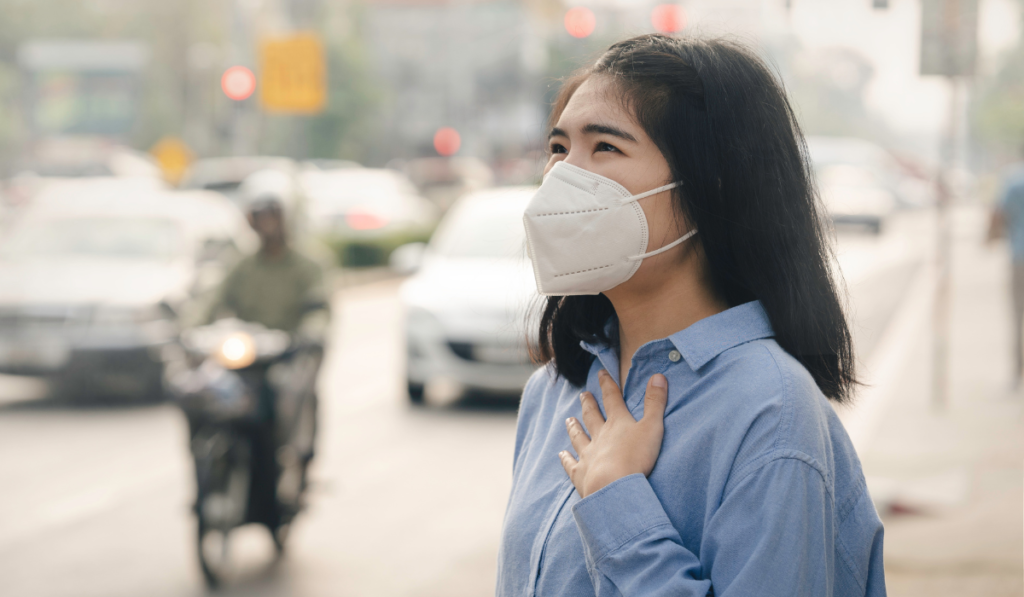
We breathe without thinking. But today, the very air that keeps us alive is quietly reducing the years we get to live. Polluted air doesn’t feel like an immediate threat. There’s no sudden pain, no visible injury. Yet its impact is deep, long-term, and mostly irreversible.
Across major cities, the Air Quality Index (AQI) frequently crosses the danger line. Understanding what those numbers mean and how they affect your body is the first step toward protecting your health.
What Does AQI Actually Mean for Your Health?
The Air Quality Index (AQI) measures harmful pollutants such as PM2.5, PM10, nitrogen dioxide, ozone, carbon monoxide, and more. The higher the AQI, the more dangerous each breath becomes. Here is a simple chart of the AQI range from good to hazardous.
| AQI Range | Air Category | Health Impact |
| 0–50 | Good | Safe to breathe |
| 51–100 | Moderate | Mild irritation possible |
| 101–200 | Unhealthy for sensitive groups | Asthma/allergy triggers |
| 201–300 | Unhealthy | Heart & lung strain for most people |
| 301+ | Hazardous | Serious respiratory and cardiac risks |
When AQI remains above 200, even healthy adults face short-term and long-term health damage.
Poor Air Quality Health Effects You Can’t Ignore
Air pollution is linked to multiple health concerns that slowly progress over time.
Lung Damage
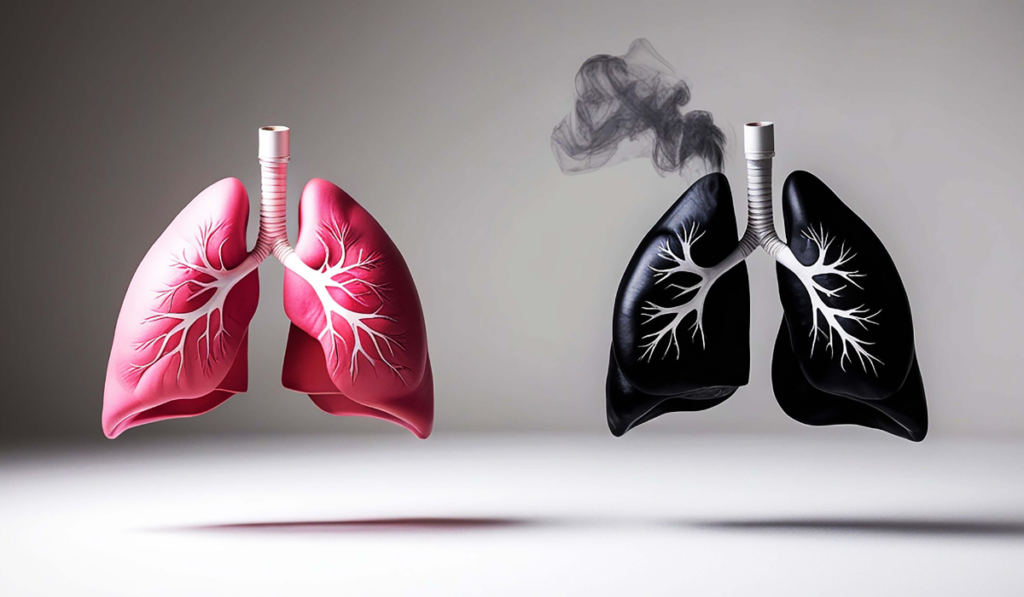
The lungs are the first organs to face the impact of polluted air. Every breath carries microscopic pollutants, especially PM2.5, that are so tiny they slip past our nose and throat’s natural defenses. These particles travel deep into the lungs, settle inside the delicate air sacs, and trigger inflammation. Over time, this constant irritation makes breathing feel more difficult and leaves the lungs vulnerable to infections.
For people with asthma or chronic respiratory issues, pollution acts as a direct trigger, worsening symptoms and restricting airflow. The more polluted the air you breathe each day, the more pressure your lungs experience, gradually reducing their capacity and long-term strength.
Harm to the Heart
Air pollution doesn’t stop at the lungs. Once pollutants enter the bloodstream, they travel throughout the body and place stress on the heart. Poor air quality thickens the blood, inflames blood vessels, and disrupts normal heart rhythm. This increases the risk of hypertension, heart attacks, and stroke, even in individuals who were otherwise healthy.
The heart has to work harder to circulate oxygen when the air itself carries less of it. Studies also show that just a few days of exposure to high AQI can elevate the risk of cardiac events, especially among older adults and those with pre-existing heart conditions.
Weakened Immunity
The immune system constantly tries to defend the body against harmful invaders. When air is heavily polluted, this defense system shifts its attention to neutralizing toxins and foreign particles. Over time, that repeated stress weakens immunity, making the body more susceptible to respiratory infections, seasonal flu, and general fatigue.
The immune response becomes slower, inflammation rises, and the body struggles to recover from common illnesses. In children and elderly individuals, this weakening happens even faster, as their immune systems are either developing or already fragile.
Long-Term Effects of Air Pollution
The most alarming damage pollution causes is the one you don’t feel immediately. Tiny particles remain lodged in the lungs and bloodstream for years, slowly contributing to chronic diseases like COPD and lung cancer. The brain, too, is affected because of reduced oxygen supply, and constant oxidative stress can impair memory and cognitive function over time.
The skin ages faster, organs tire earlier, and the body experiences premature cellular aging. These are slow, silent changes that build up year after year. By the time symptoms become visible, a significant amount of internal damage has already happened, which is why poor air quality is often called a silent and invisible threat to life.
How High AQI Can Shorten Your Life Expectancy?
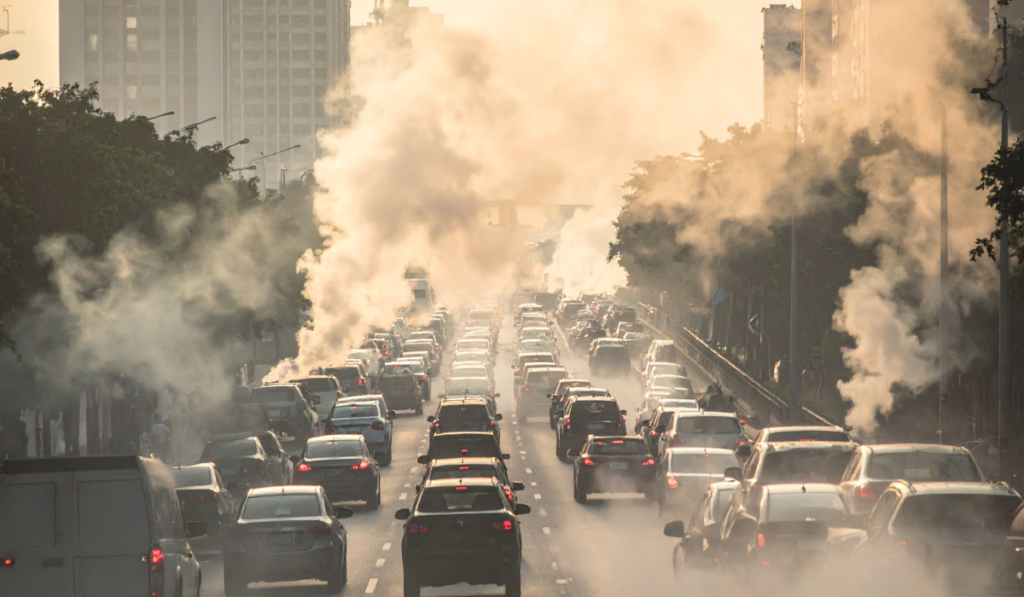
Globally, researchers estimate that long-term exposure to polluted air can reduce life expectancy by 2–5 years. Here’s how it happens:
- Constant inflammation causes faster organ damage
- Lower oxygen supply affects every system in the body
- Blood vessels stiffen, impacting heart and brain function
- The body works harder just to breathe, which accelerates aging
Air pollution not only affects how you feel today. It affects how long you will live tomorrow.
Who is at Risk Due To High AQI?
Some people face the effects of polluted air more intensely because their bodies simply can’t defend themselves as strongly.
Children
Children breathe faster than adults, which means they inhale more polluted air per minute. Their lungs and airways are still developing, so every harmful particle that enters causes irritation and slows healthy lung growth. Inside, the tissues become inflamed and mucus production increases, making it harder to absorb oxygen efficiently. Over time, this can impact not just breathing but also energy, concentration, and overall development.
Elderly Individuals
As we age, the immune system becomes slower and organs lose some strength. When polluted air enters the body, it causes chronic inflammation in the lungs and blood vessels. In older adults, this inflammation takes much longer to heal, which puts extra pressure on the heart and increases the risk of heart failure or strokes. Even mild exposure can turn into a serious breathing episode because the body no longer has strong defense mechanisms to clear harmful particles.
Pregnant Women
During pregnancy, the mother’s body works harder to supply oxygen to the baby. When the air she breathes has low oxygen and high toxins, the bloodstream carries those pollutants directly to the placenta. Inside, this can restrict the baby’s growth, affect lung development, and reduce overall oxygen supply, increasing the chances of low birth weight or complications at birth. The mother, too, experiences a heavier strain on her heart and lungs because they are already working at their limit.
Asthma or COPD Patients
People with asthma or lung diseases already have inflamed and sensitive airways. When polluted air enters, those airways tighten instantly, making it difficult to breathe normally. The mucus inside the lungs thickens, oxygen exchange becomes limited, and the chest feels heavy. Even when AQI is in the moderate range, their lungs feel like they are experiencing a severe attack because pollution directly hits the area where their condition is weakest.
Outdoor Workers
Construction workers, traffic police, delivery professionals, and anyone who spends long hours outside inhale polluted air continuously. Inside the body, harmful particles build up faster than the immune system can clear them. The lungs become inflamed daily, and toxins enter the bloodstream repeatedly, increasing long-term risks to the heart, brain, and respiratory system. Over months and years, this constant exposure creates more serious damage than what most indoor-only individuals experience.
How To Protect Yourself From Air Pollution?

You can’t control the city’s air, but you can protect your immediate environment and body.
Practical Safety Actions
- Use air purifiers with HEPA filters
- Wear N95 masks outdoors during poor AQI
- Avoid outdoor exercise during high traffic hours
- Track AQI daily through reliable apps
- Ventilate your home during low-AQI periods
Support Your Body Naturally
- Eat foods rich in antioxidants (Vitamin C, E, Omega-3)
- Stay hydrated to help your body flush pollutants
- Maintain lung health through guided breathing exercises
- Avoid smoking and burning items indoors
Lifestyle Habits That Strengthen Your Defense
- Regular cleaning to reduce dust build-up
- Use exhaust fans while cooking
- Keep indoor plants like peace lily or snake plant (supporting role, not a full solution)
- Encourage children and the elderly to stay indoors during high AQI alerts
- Monitor symptoms like coughing, chest tightness, or fatigue
You can’t avoid air completely, but you can control exposure and strengthen resilience.
Final Thought
Clean air shouldn’t feel like a luxury. But until environmental changes become real and effective, self-awareness is your best protection. Check the AQI before stepping out. Take precautions even when you feel normal. Because health damage from pollution is slow but permanent.
Protect your lungs today, so your future remains strong and active. Your breath deserves safety. Your years deserve protection.
Let’s stay connected! Come say hi on Instagram or follow us on Facebook for more interesting knowledge.