




Every year, around mid-January, something quietly powerful happens in the sky. The Sun changes its direction. Days begin to stretch. Warmth slowly returns. And without dramatic announcements, Makar Sankranti arrives.
Unlike most Hindu festivals that follow the Moon, the day listens to the Sun. It marks the moment when the Sun enters Makara rashi (Capricorn) and begins its northward journey, known as Uttarayan. This single solar shift signals a fresh phase of the year, in nature, in timekeeping, and in human life.
More than a harvest celebration or a ritual day, it reminds us to realign. To move from stillness to movement. From inward pause to outward action.
When is Makar Sankranti?
Date and Timing
- Makar Sankranti is celebrated on 14 January each year. In some years, it may fall on 15 January, depending on the Sun’s exact movement.
- The Sun enters Makara rashi (Capricorn) and marks Surya Sankraman.
- Because Makarsankranti follows the solar calendar, its date remains mostly fixed, unlike lunar-based festivals.
Is There a Muhurat for Makar Sankranti?
- It does not depend on a strict muhurat like many other Hindu observances.
- The day becomes auspicious because it marks a natural solar transition.
- People traditionally perform rituals and charitable acts after sunrise, following local customs.
What is Makar Sankranti?
Makar Sankranti is a Hindu festival that marks the day the Sun enters Makara rashi (Capricorn), beginning its northward movement called Uttarayan.
This shift happens based on the Sun’s position, not the Moon. That single fact sets it apart from most Hindu festivals. While many observances change dates every year, Makar Sankranti stays largely fixed, usually falling around mid-January.
In simple terms, this day signals a solar reset. The Sun starts moving toward the northern hemisphere, days gradually grow longer, and nature prepares for renewal. Hindu tradition sees this transition as highly auspicious, a moment when energy turns outward, clarity increases, and progress becomes possible.
This day does not mark the start of a new calendar year. Instead, it marks a new phase of movement, both in the cosmos and in human life.
Why Makar Sanakranti is a Solar Festival?
Makar Sankranti follows the Sun, not the Moon. It marks a visible astronomical event, the Sun’s entry into Makara rashi, which is why its date remains largely stable each year.
This shift begins Uttarayan, the Sun’s northward journey. Days slowly lengthen, seasons start to turn, and life moves toward growth. Hindu tradition recognized this natural change and chose to observe it, not through complex rituals, but through awareness of movement and timing.
This day is not defined by a strict muhurat or ceremony. Its importance lies in direction, the Sun changes course, and with it begins a phase associated with clarity, activity, and renewal. At its core, the festival reflects a worldview that stays aligned with nature rather than trying to control it.
What Is the Meaning of Uttarayan?
Uttarayan means the northward movement of the Sun. It begins when the Sun enters Makara rashi and starts moving toward the northern hemisphere.
This shift leads to longer days, stronger sunlight, and gradual seasonal change. Hindu tradition associates Uttarayan with progress and forward movement because nature itself becomes more active during this phase.
How Makar Sankranti Is Celebrated Across India?
As Makarsankranti moves across India, its form changes with the land. The Sun’s shift remains the same, but each region expresses gratitude in its own way, shaped by climate, harvest, and tradition.
1. North India
In Uttar Pradesh, Bihar, and nearby regions, the day begins with purification and giving. People bathe in rivers at sunrise and prepare simple foods made from til, jaggery, and grains. Sharing food, clothes, and essentials with others forms an important part of the observance. The mood stays quiet and reflective, focused on gratitude and restraint.
2. Western India
In Gujarat, Rajasthan, and Maharashtra, Makar Sankranti feels open and joyful. Families gather on terraces to fly kites, filling the sky with color. Til-gud is shared as a reminder to speak kindly and live in harmony. Here, the festival becomes a gentle celebration of warmth, connection, and togetherness.
3. South India
In Tamil Nadu, people celebrate Makar Sankranti as Pongal, a harvest festival observed over several days. They cook freshly harvested rice and offer it to the Sun. Families clean their homes, decorate thresholds, and express gratitude to nature, cattle, and the farming cycle. The celebration stays rooted in devotion and thankfulness.
4. Eastern India
In West Bengal, Odisha, and Assam, the day is known as Magh Sankranti. People visit rivers, take part in fairs, and prepare traditional rice-based sweets. Community prayers and gatherings mark the occasion. Here, Magh Sankranti becomes a shared moment of faith and reflection.
What is The Scientific Reason Behind Makar Sankranti Celebration?
This day aligns with a real seasonal shift. When the Sun begins its northward movement, the northern hemisphere slowly receives more daylight and warmth. This change affects climate, crops, and human activity.
Longer days support agricultural cycles. Harvests complete. Soil rests. Energy in nature begins to rise again after winter’s peak. Ancient communities observed these patterns closely and marked this transition as significant.
The festival does not celebrate superstition. It acknowledges cause and effect. When sunlight increases, life responds. Makar Sankranti simply recognizes this moment, reminding humans to stay attentive to nature’s rhythm rather than separate from it.
How to Celebrate Makar Sankranti?
Makar Sankranti is best observed through simple, intentional actions that reflect the season’s shift.
- Start the day after sunrise with a cleansing bath to mark a fresh phase.
- Offer water to the rising Sun, acknowledging light, warmth, and continuity.
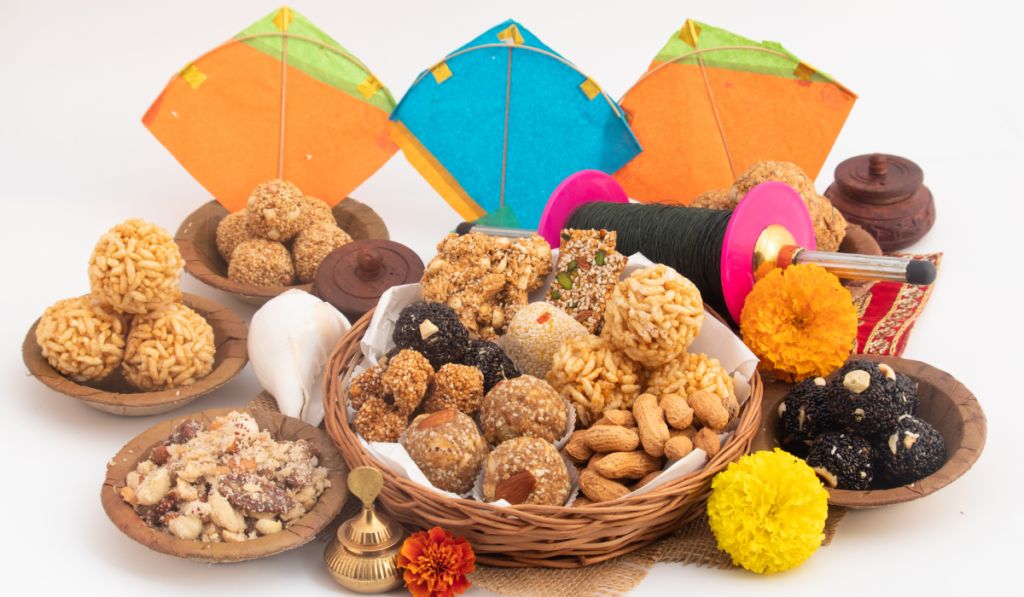
- Eat seasonal foods, especially til and jaggery, prepared to suit the changing climate.
- Give generously, whether through food, clothes, or quiet acts of help.
- Spend time in natural light, allowing the body and mind to adjust to longer days.
There is no need to do everything. Even one mindful act is enough to honour the solar transition that the day represents.
Why Do We Fly Kite During Makar Sankranti?
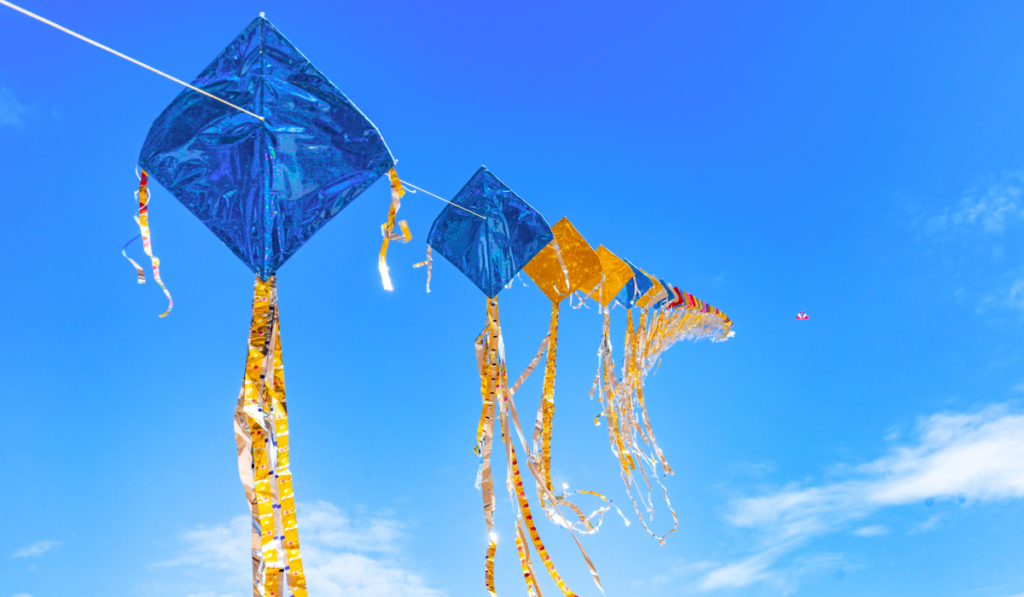
Kite flying is a traditional part of Makar Sankranti in many regions of India. As the Sun enters Capricorn and daylight begins to increase, people gather outdoors to fly kites under the open sky.
This practice connects the festival to sunlight, seasonal change, and upward movement. People believed that exposure to the winter Sun supported health during the transition toward warmer days. And a little extra Vitamin D is not bad either.
Kites rising high reflect the spirit of the celebration, a harvest festival of India that celebrates light, movement, and alignment with nature’s rhythm.
Conclusion: What Makar Sankranti Teaches Us Today
Makar Sankranti reminds us that change does not always arrive loudly. Sometimes, it begins with a quiet shift in direction. The festival teaches the value of alignment. With nature. With time. At one’s own pace. As the Sun turns northward, it encourages movement after stillness and clarity after pause.
In a life driven by speed and noise, it offers a simpler lesson. Notice the shift. Adjust gently. Move forward with awareness.
Frequently Asked Questions (FAQs)
1. What is Makar Sankranti?
Makar Sankranti is a Hindu festival that marks the day the Sun enters Makara rashi (Capricorn), beginning its northward movement known as Uttarayan.
2. When is Makar Sankranti celebrated?
Makar Sankranti is celebrated around 14 January each year. In some years, it may fall on 15 January, depending on the Sun’s exact transition.
3. Why is Makar Sankranti considered a solar festival?
Makar Sankranti follows the solar calendar, not the lunar calendar. It is based on the Sun’s movement, which is why its date remains mostly fixed every year.
4. What is the meaning of Uttarayan?
Uttarayan means the northward movement of the Sun. It begins on Makar Sankranti and is associated with longer days and gradual seasonal change.
5. Is Makar Sankranti a harvest festival?
Yes, it is considered a harvest festival of India in many regions, as it aligns with crop cycles and seasonal transitions.
6. Why do people fly kites on Makar Sankranti?
Kite flying on Makar Sankranti symbolizes welcoming sunlight and seasonal change. It also reflects the festival’s theme of upward movement and openness to light.
7. Does Makar Sankranti have a specific muhurat?
This cultural festival does not depend on a strict muhurat. The entire day is considered auspicious because it marks a natural solar transition.
8. How is Makar Sankranti celebrated across India?
It is celebrated differently across regions, with customs like Pongal in the South, kite flying in the West, and Magh Sankranti observances in the East, while the solar meaning remains the same.
Let’s stay connected! Come say hi on Instagram or follow us on Facebook for more interesting knowledge.