


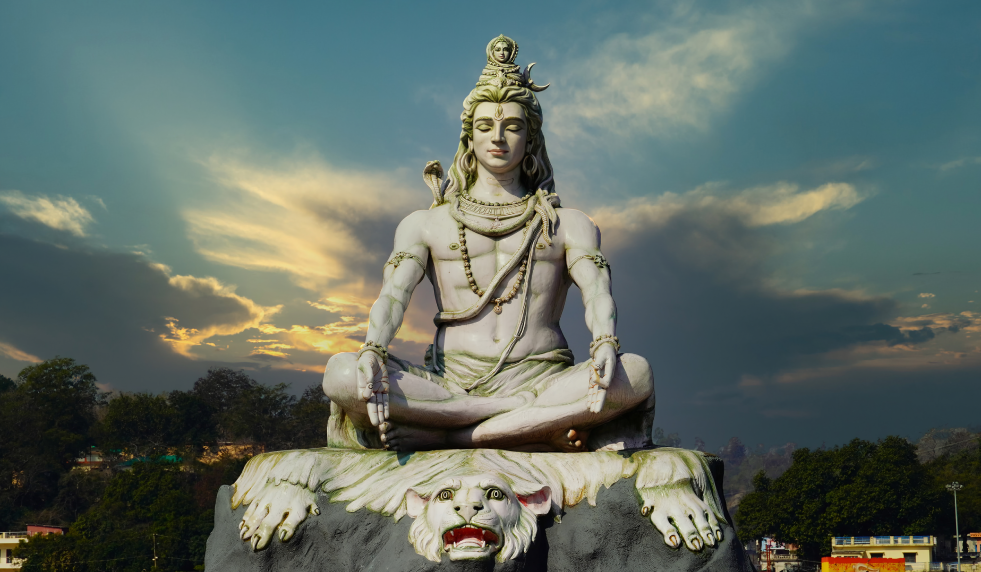
Maha Shivratri, the sacred night dedicated to Lord Shiva, is one of the most spiritually powerful observances in the Hindu calendar. Celebrated as the great union of consciousness and energy, Shiv and Shakti. During the Maha Shivaratri festival, millions of devotees fast, stay awake, chant mantras, and perform abhishekam to the Shiva Lingam, believing that this night magnifies every prayer and every intention.
This Mahashivratri carries deep symbolism about discipline, inner cleansing, and awakening consciousness. As Maha Shivratri 2026 approaches, understanding its true meaning, puja vidhi, fasting practices, and spiritual benefits helps you observe the festival with clarity rather than simply following tradition.
Maha Shivratri 2026 Date, Puja Timings & Vrat Muhurat
If you’re simply wondering “When is Maha Shivratri 2026 and what time should I fast or perform puja?” Here are the exact muhurat details in one place.
Maha Shivratri Date
- Sunday, February 15, 2026
Important Puja & Vrat Timings
- Nishita Kaal Puja (Most Auspicious Midnight Time): 12:09 AM – 01:01 AM (February 16)
- Duration: 51 minutes
This is considered the most sacred time to perform Shiva Lingam abhishekam, mantra chanting, and meditation.
Shivratri Parana Time (Fast Breaking)
- 06:59 AM – 03:24 PM (February 16)
Devotees traditionally break their Maha Shivratri fast during this period after completing morning prayers.
Ratri Prahar Puja Timings (Night Watches)
- First Prahar: 06:11 PM – 09:23 PM
- Second Prahar: 09:23 PM – 12:35 AM (Feb 16)
- Third Prahar: 12:35 AM – 03:47 AM (Feb 16)
- Fourth Prahar: 03:47 AM – 06:59 AM (Feb 16)
Each prahar is considered suitable for Shivratri puja vidhi, japa, and offering bel patra and milk to Lord Shiva.
Chaturdashi Tithi
- Begins: 05:04 PM on February 15, 2026
- Ends: 05:34 PM on February 16, 2026
Timings may vary slightly by location and panchang. Always cross-check with your local temple or regional calendar.
What Is Maha Shivratri? Meaning and Spiritual Significance
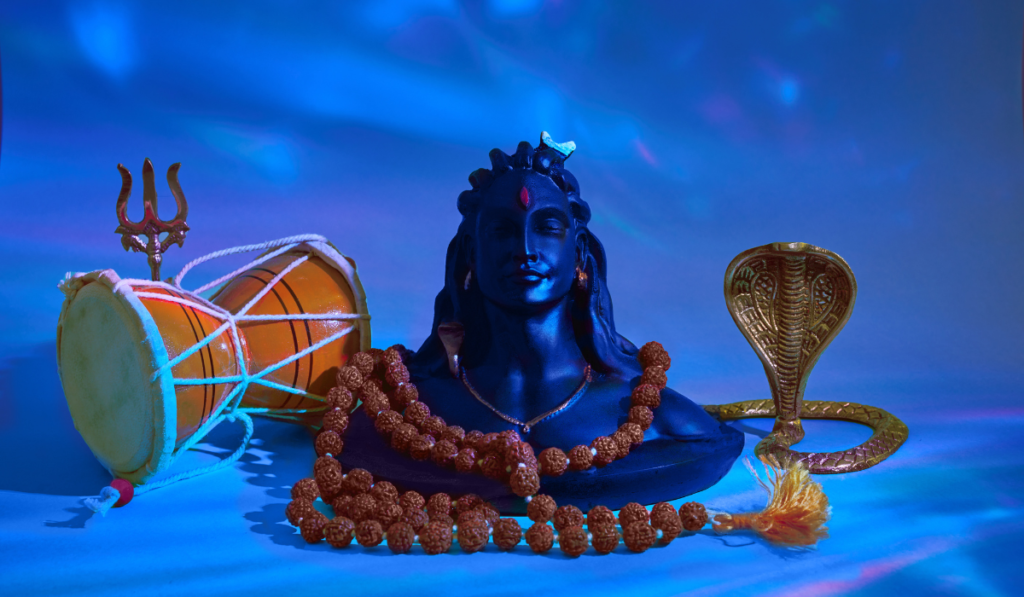
The word Maha Shivratri literally means “The Great Night of Shiva.” It is the most sacred night dedicated to Lord Shiva, observed on the fourteenth night of the dark fortnight (Krishna Paksha Chaturdashi) in the month of Phalguna.
But the Maha Shivaratri festival is not simply about staying awake or following rituals. Spiritually, this night symbolizes stillness, inner cleansing, and the dissolution of ego. In yogic tradition, it is believed that the natural energies of the universe align in a way that supports meditation, self-discipline, and heightened awareness.
This is why devotees fast, chant mantras, and remain awake through the night. The practices are meant to turn attention inward rather than outward. The maha shivaratri significance lies less in external celebration and more in inner transformation.
For many seekers, Lord Shiva Maha Shivratri represents a chance to reset the mind, let go of negativity, and reconnect with higher consciousness. It is observed not out of fear or obligation, but as an opportunity for spiritual growth.
Why Do We Celebrate Maha Shivratri? The Story Behind it
Behind the rituals and fasting of Maha Shivratri lies a rich tapestry of legends that explain why this night holds such deep spiritual power. Each Bhagwaan Shiva story points to transformation, protection, and the awakening of higher consciousness.
1. The Divine Wedding of Lord Shiva and Goddess Parvati
One of the most widely accepted beliefs is that Maha Shivratri marks the divine wedding of Lord Shiva and Goddess Parvati. After years of intense penance and devotion, Parvati was united with Shiva on this sacred night, symbolizing the union of consciousness (Shiva) and energy (Shakti).
This story gives Maha Shivratri its deeper spiritual meaning. The night represents balance, harmony, and the merging of opposites. Devotees observe the festival as a reminder that spiritual growth requires both discipline and devotion, detachment and love.
2. Samudra Manthan and the Neelkanth Legend
Another important Lord Shiva story linked to Maha Shivratri comes from the episode of Samudra Manthan, the churning of the cosmic ocean. During this event, a deadly poison, Halahala, emerged and threatened to destroy all creation.
To save the universe, Lord Shiva consumed the poison and held it in his throat, turning it blue and earning him the name Neelkanth. Maha Shivratri is believed to commemorate this act of supreme sacrifice, where Shiva chose suffering over destruction of the world.
This legend explains why devotees fast and perform abhishekam on this night, symbolizing gratitude, surrender, and trust in divine protection.
3. The Night Lord Shiva Chose to Save the World
According to another legend, when the Earth faced imminent destruction, Goddess Parvati prayed intensely to Lord Shiva to protect creation. Moved by her devotion, Shiva agreed to save the world on the condition that humanity would worship him with sincerity and dedication.
From that moment, this sacred night came to be known as Maha Shivratri, a night of deep devotion rather than celebration alone. The story emphasizes that it is not rituals, but heartfelt prayer and discipline, that please Shiva.
This belief reinforces why the Maha Shivaratri festival is observed with fasting, night-long vigil, and focused worship.
Step-by-Step Maha Shivratri Puja Vidhi and Rituals
The rituals of Maha Shivratri are designed to cultivate focus, discipline, and devotion throughout the night. Following the Shivratri puja vidhi step by step helps devotees observe the festival mindfully rather than mechanically.
1. Take a Purifying Bath and Sankalp: Begin the day early with a bath and wear clean or light-colored clothes. Take a sankalp (vow) to observe the Maha Shivratri fast with sincerity and self-control.
2. Prepare the Puja Space: Clean the altar and place a Shiva Lingam or image of Lord Shiva. Arrange offerings like bel patra, milk, water, honey, fruits, incense, and a diya.
3. Perform Abhishekam to the Shiva Lingam: Offer water, milk, curd, honey, and ghee while chanting “Om Namah Shivaya.”Abhishekam symbolizes cleansing the mind and ego.
4. Offer Bel Patra, Flowers, and Prasad: Offer bel leaves (preferably three-leafed), dhatura, white flowers, and fruits. These are considered especially dear to Lord Shiva.
5. Chant Mantras and Recite Prayers: Repeat Shiva mantras, read Shiva Chalisa or Rudram, or meditate quietly. Continuous chanting keeps the mind steady and alert through the night.
6. Observe the Night Vigil (Jagran): Devotees stay awake during the four prahars of the night, performing prayers and meditation. The vigil represents awareness and victory over ignorance.
7. Complete the Fast and Break It During Parana: After sunrise the next day, break the fast during the prescribed Parana muhurat, beginning with water or light satvik food.
Maha Shivratri Vrat Vidhi and Fasting Rules
Fasting is one of the most important observances of the Maha Shivaratri fasting tradition. More than avoiding food, the vrat is meant to cultivate self-discipline, mental clarity, and devotion to Lord Shiva.
Before Mahashivratri (Trayodashi Preparation)
- Eat only one simple meal during the day
- Choose sattvic food such as fruits, milk, and light home-cooked meals
- Avoid onion, garlic, grains, and heavy or processed food
- Mentally prepare for the fast with calmness and intention
This preparation helps the body adjust and makes the Maha Shivratri fast easier to observe.
On Mahashivratri Day
1. Wake Up Early and Cleanse: Begin the day before sunrise. Take a bath and wear fresh, clean clothes to signify purity of body and mind.
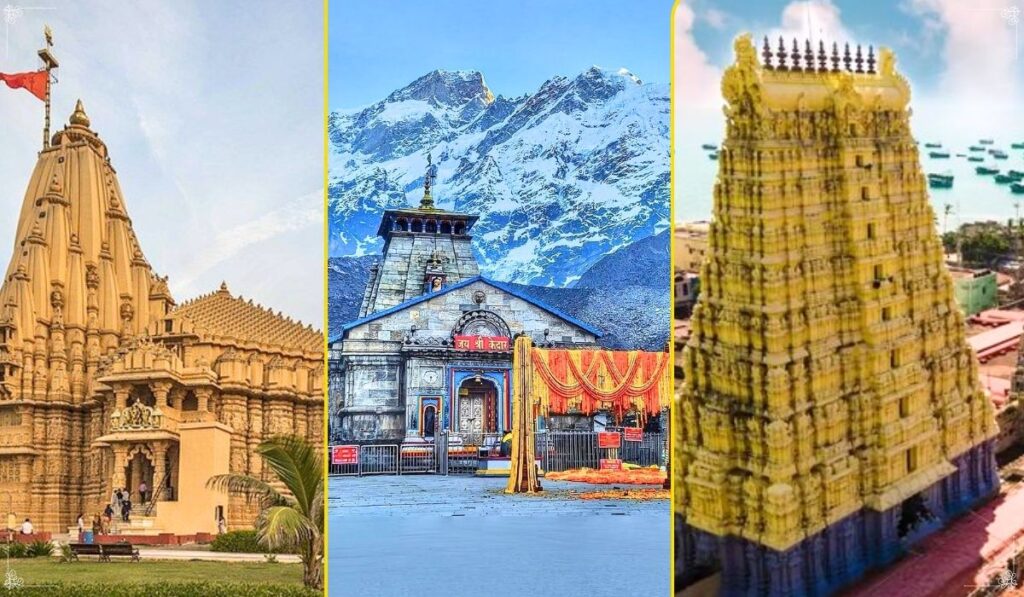
2. Visit a Shiva Temple or Home Altar: Offer prayers at a nearby Shiva temple or perform worship at home. Many devotees prefer visiting famous Jyotirlingas or local Shiva temples.
3. Take Sankalp (Vow): Take a formal sankalp to observe the fast with sincerity and break it only the next day during Parana time. This vow represents commitment, discipline, and devotion.
4. Observe the Fast: Depending on capacity, devotees may choose:
- Nirjala Vrat: no food or water
- Phalahar Vrat: fruits, milk, nuts
- Partial Fast: light sattvic meals only
Following these maha shivratri fast rules allows each person to observe the vrat according to health and strength.
5. Stay Spiritually Engaged: Spend the day chanting, meditating, reading Shiva stotras, or attending temple rituals. Fasting without prayer becomes dieting. The focus should remain devotional.
6. Break the Fast (Parana): Complete the fasting for Mahashivratri the next morning during the prescribed Parana muhurat, beginning with water or light food.
Spiritual Benefits of Maha Shivratri Fast
Observing the Mahashivratri fast is meant to discipline the body and quiet the mind. Instead of outward celebration, this night encourages silence, awareness, and inner reflection.
Maha Shivratri falls on Krishna Paksha Chaturdashi, the final phase of the waning moon, making it one of the darkest nights of the month. In yogic tradition, this stillness reflects Lord Shiva’s nature, formless, infinite, and beyond ego, making it an ideal time for meditation and spiritual growth.
Key Spiritual Benefits are:
- Builds self-discipline and control over desires
- Improves focus and mental clarity
- Encourages inner calm and emotional balance
- Reduces distractions through fasting and silence
- Deepens meditation and mantra chanting
- Strengthens devotion and connection with Lord Shiva
- Promotes self-reflection and detachment from negativity
In essence, Maha Shivratri is less about ritual perfection and more about inner transformation.
Conclusion
The union of Maa Parvati and Bhagwan Shiva symbolizes the eternal union of Shiv and Shakti. Shakti is the primordial force of creation, the energy that sustains the universe, and even Shiva, the supreme consciousness, is considered incomplete without her.
Maha Shivratri reminds us of this balance within ourselves. It is a call to look inward, awaken our inner Shakti, and cultivate discipline, control, and clarity in our actions. Through fasting, prayer, and meditation, we do not merely worship Lord Shiva, we learn to embody his stillness, strength, and awareness in our own lives.
In this way, Maha Shivratri becomes not just a festival to observe, but a path to becoming better, stronger, and more conscious human beings.
Continue Your Devotion
Along with fasting and meditation, many devotees recite the Shiv Tandav Stotram, a powerful hymn that captures Bhagwan Shiva’s cosmic dance and deepens focus during Maha Shivratri. You can read the Shiv Tandav Stotram in Hindi with its meaning and story to understand it and chant it mindfully.
Frequently Asked Questions (FAQs)
1. Maha Shivratri 2026 mein kab hai?
Maha Shivratri 2026 will be observed on Sunday, 15 February 2026, with major puja and fasting rituals continuing into the early hours of 16 February 2026, as it falls on Krishna Paksha Chaturdashi.
2. Maha Shivratri ka vrat kitne din ka hota hai?
Maha Shivratri vrat is observed for one full day and night. The fast usually begins at sunrise on Shivratri day and is broken the next morning during the Parana Muhurat after completing prayers.
3. Maha Shivratri fast mein kya khana allowed hai?
During Maha Shivratri fasting, devotees may consume fruits, milk, curd, nuts, coconut water, and vrat-friendly foods. Grains, onion, garlic, and non-vegetarian food are traditionally avoided.
4. Kya Maha Shivratri ka vrat paani ke bina rakh sakte hain?
Yes. Some devotees observe Nirjala vrat, which means fasting without food or water. However, this is optional. Those unable to do so may follow a phalahar or partial fast based on health and capacity.
5. Maha Shivratri par raat bhar jagna kyun zaroori hota hai?
Staying awake on Maha Shivratri symbolizes alertness and awareness. The night vigil, or jagran, represents overcoming ignorance and remaining conscious through prayer, meditation, and chanting during the four prahars of the night.
6. Kya women Maha Shivratri ka vrat rakh sakti hain?
Yes. Women can observe the Maha Shivratri fast. Married and unmarried women alike observe the vrat for spiritual growth, discipline, and devotion to Lord Shiva, not solely for marital reasons.
7. Maha Shivratri ka vrat kaise todna chahiye?
The Maha Shivratri fast should be broken during the Parana Muhurat after sunrise the next day. It is traditionally broken with water, fruits, or light sattvic food after completing morning prayers.
8. Maha Shivratri ka spiritual significance kya hai?
Maha Shivratri represents inner stillness, self-discipline, and transformation. Observed on one of the darkest nights of the lunar month, it symbolizes dissolving ego and turning inward, aligning with Lord Shiva’s nature of silence and awareness.
Follow us on Instagram and Facebook for simple festival guides, rituals, and traditions explained clearly, and share your thoughts or questions in the comments.
This space is here to help you prepare, not just read and forget.