




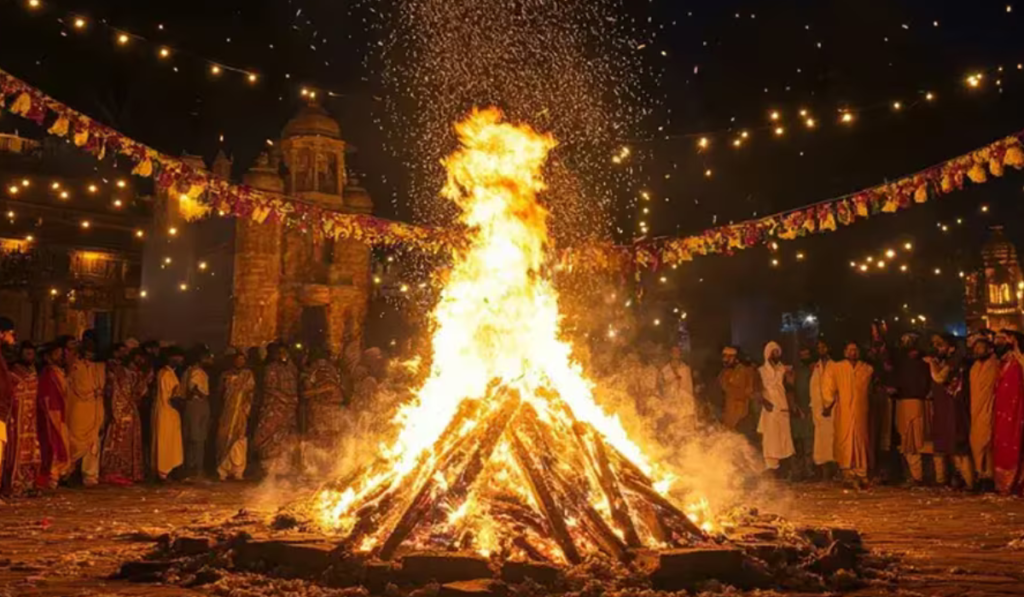
The Lohri festival is one of the most grounded and meaningful celebrations in North India. Observed every year on 13 January, Lohri marks the end of peak winter and the beginning of longer, warmer days. Celebrated most prominently in Punjab, Haryana, and parts of North India, Lohri is deeply connected to agriculture, seasonal cycles, and collective gratitude.
Unlike many festivals that revolve around temples or complex rituals, Lohri unfolds in open spaces, around a fire, among people. It is about warmth, survival, and community, values that remain relevant even today.
When is Lohri Celebrated?
In 2026, Lohri will be celebrated on Tuesday, 13 January.
The Lohri date 2026 remains fixed every year because it follows the solar calendar, not the lunar one. Lohri is celebrated a day before Makar Sankranti and coincides with the sun’s gradual northward movement, a phase associated with increased daylight and positive transition.
Lohri Celebration Timing and Muhurat
There is no strict muhurat for Lohri rituals, which is actually the point.
- Lohri celebrations usually begin after sunset
- The bonfire is lit in the evening hours, typically between 6:00 PM and 9:00 PM, depending on local sunset timing
- People gather, offer traditional foods to the fire, sing, and share prasad
- Lohri is a community festival, not a time-bound ritual. Local customs matter more than exact clock timings.
Why is Lohri Celebrated?
One of the most searched questions every January is why is Lohri celebrated.
Lohri is essentially a harvest festival. It celebrates the end of winter crops and honours the role of the sun, land, and labour in sustaining life. Crops like sugarcane, wheat, and mustard are harvested around this time, making Lohri especially significant for farming communities.
But at a deeper level, Lohri represents:
- Gratitude for surviving the coldest phase of winter
- Hope for agricultural abundance
- Celebration of light, warmth, and renewal
Lohri is also traditionally celebrated with extra joy in homes where a child is born, or a marriage has taken place during the year, symbolising growth and continuity.
Lohri Bonfire Meaning and the Fire Ritual
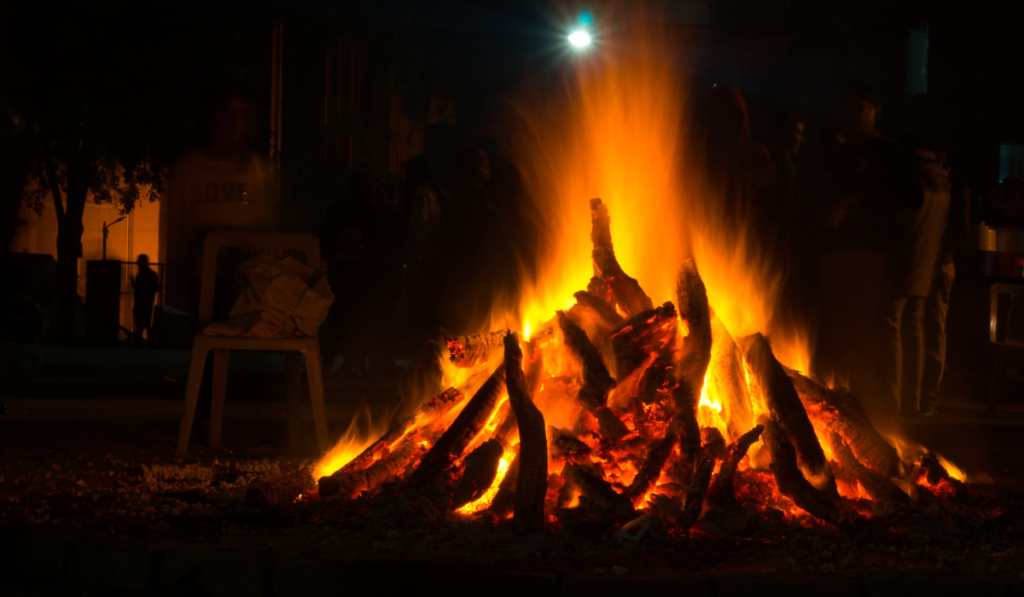
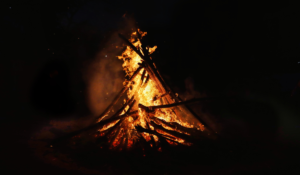
The bonfire is the heart of the Lohri festival. The Lohri bonfire meaning is rooted in survival and unity. During harsh winters, fire provided warmth, protection, and light. Over time, it became a symbol of life itself.
Lohri Fire Ritual Explained Simply
The Lohri fire ritual involves:
- Lighting a bonfire after sunset
- Gathering around it as a group
- Offering til (sesame seeds), gur (jaggery), mungfaliya, popcorn, and rewri
These offerings symbolise:
- Seasonal produce
- Warmth-generating foods
- Sharing abundance with nature
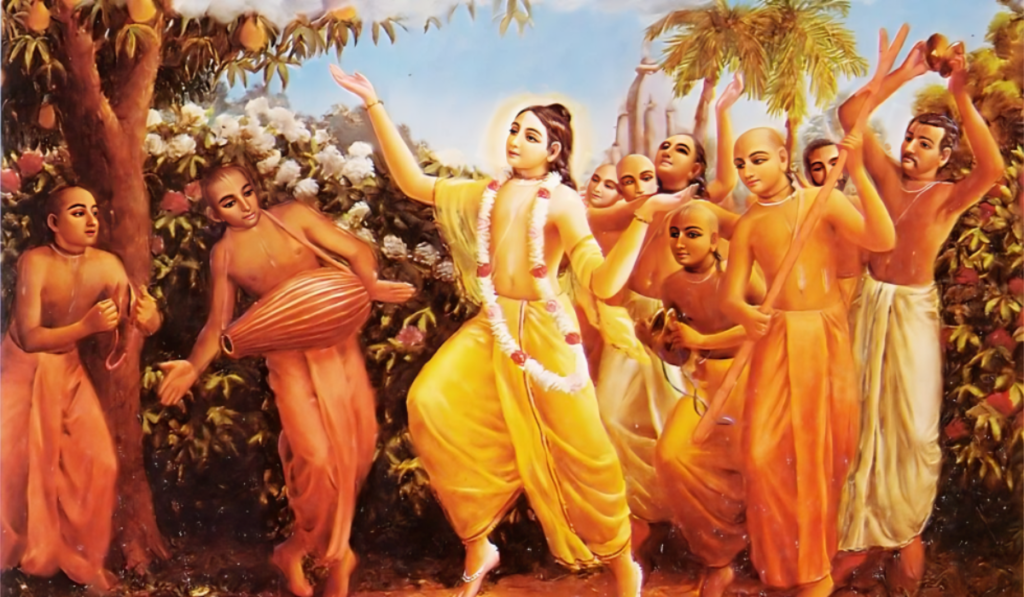
People walk around the fire, clap, and sing folk songs. There is no rigid chanting or formal worship. Respect and participation are enough. In Punjab, people often perform bhangra and giddha, celebrating physical energy and joy. In urban India, Lohri may be quieter, but the spirit remains intact.
There is no requirement for priests, expensive items, or elaborate setups. Lohri belongs to people, not procedures.
Lohri Food and Sweets Shared During the Festival
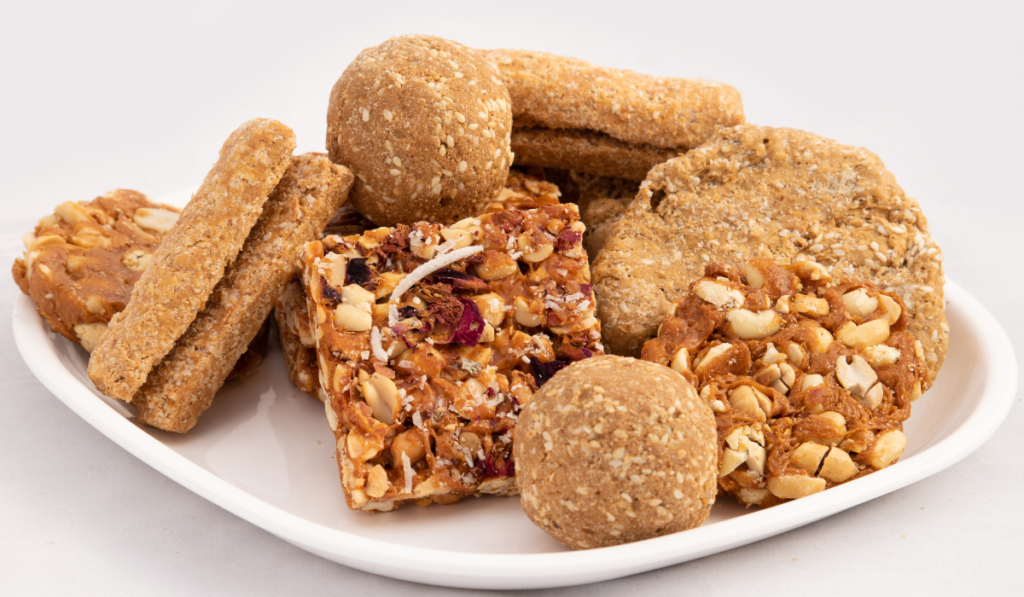
Food is central to Lohri because it reflects the season and the harvest. Traditional Lohri food and sweets include:
- Til
- Gur
- Rewri and gajak
- Peanuts and popcorn
These foods are locally sourced, high in energy, and best suitable for winter consumption. Sharing food during Lohri reinforces the idea that prosperity only matters when it is shared. No one eats alone on Lohri, and that’s the heart of Lohri.
Lohri Festival in Punjab and Its Spread Across India
The Lohri festival in Punjab is celebrated with unmatched enthusiasm. Villages and neighbourhoods come alive with music, dance, and large community bonfires. The festival reflects Punjab’s agricultural roots and collective spirit.
Over time, Lohri celebration in India has spread beyond Punjab. Today, Lohri is celebrated in cities across North India and even in urban societies, where people come together to honour seasonal change and cultural memory.
Even when scaled down, the essence of warmth, gratitude, and togetherness remains the same.
What Lohri Teaches Us Today?
The Lohri festival quietly teaches lessons modern life often forgets:
- You cannot control seasons, only respect them
- Survival is collective, not individual
- Gratitude is more powerful than excess
Lohri does not demand perfection or performance. It asks for presence, participation, and humility.
Conclusion
The Lohri festival is a celebration of light after darkness, warmth after cold, and hope after endurance. With a simple fire, shared food, and open hearts, Lohri preserves a way of life rooted in gratitude and community.
In a world moving faster every year, Lohri gently reminds us to slow down, gather together, and thank the forces that keep us alive.
That is the true significance of Lohri.
Let’s stay connected! Come say hi on Instagram or follow us on Facebook for more interesting knowledge.