
Every April, something beautiful stirs across the Indian subcontinent. Mustard and wheat fields turn golden in Punjab, temple bells ring a little longer in Kerala, and the river ghats fill with devotees offering their gratitude to the sacred waters. This is the season of Vaisakhi, one of the most spiritually rich festivals in the Hindu calendar.
For millions of Hindus, Vaisakhi 2026 is not just a date on the calendar. It is a moment of divine alignment, where the Sun’s movement through the cosmos reflects the human longing for renewal, gratitude, and spiritual awakening. It marks the beginning of the month of Vaisakha, a time that the scriptures treat as deeply auspicious and the start of a fresh solar year.
If you have ever wondered about the meaning of Vaisakhi, its exact date, or why it holds such deep significance in Hinduism, this guide covers everything you need to know, in one place, with the devotion and depth this sacred occasion deserves.
Understand Vaisakhi 2026
| Detail | Information |
| Festival Name | Vaisakhi / Baisakhi / Vaishakha Sankranti |
| Vaisakhi 2026 Date | April 13-14, 2026 (Mesha Sankranti on April 13 evening; Punya Kaal on April 14 morning) |
| Hindu Calendar Month | First day of Vaisakha, Vikram Samvat 2083 |
| Astronomical Event | Sun transits from Meena Rashi (Pisces) to Mesha Rashi (Aries) |
| Presiding Deity | Lord Vishnu, Surya Dev, Ganga Devi |
| Regional Names | Vishu (Kerala), Puthandu (Tamil Nadu), Pohela Boishakh (Bengal), Bihu (Assam), Pana Sankranti (Odisha) |
| Key Rituals | Holy bath in sacred rivers, Surya puja, Vishnu worship, daan (charity), temple visits |
What Is Vaisakhi? Understanding the Meaning
The word Vaisakhi comes directly from Vaisakha, the first month of the Hindu solar calendar. In Sanskrit, Vaisakha carries the energy of warmth, ripeness, and new beginnings. The festival marks the very first day of this auspicious month, making it a cosmic celebration of the year that is just beginning.
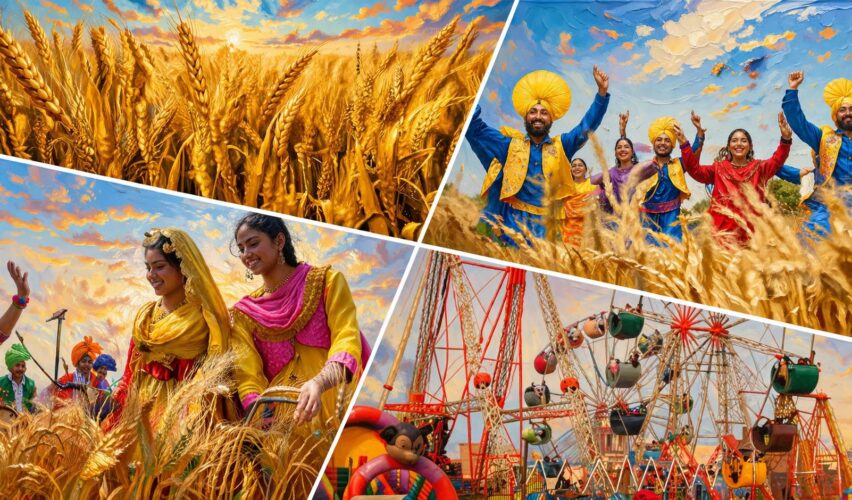
In its oldest and most essential form, Vaisakhi is a harvest thanksgiving. Farmers who spent long months tending to their rabi crops of wheat and barley watched those fields transform into golden waves, and on this day, they offered their deepest gratitude to the Divine for His grace and abundance. This is not a festival of spectacle alone. At its heart, it is an act of surrender and thankfulness to the forces of nature that sustain human life.
In the Hindu tradition, Vaisakhi is also known as Mesha Sankranti or Vaishakha Sankranti. The name refers to the sacred astronomical moment when the Sun moves from Meena Rashi (Pisces) into Mesha Rashi (Aries), the first sign of the zodiac. This solar transition signals the beginning of a new year across most Hindu solar calendars.
This is why Vaisakhi feels different from other festivals. It is both earthly and cosmic. The harvest and the heavens align on the same day, and for a devout Hindu, that alignment carries profound meaning.
When Is Vaisakhi 2026 Celebrated?
Vaisakhi 2026 date is April 13 and 14, 2026. The exact moment of Mesha Sankranti, when the Sun enters Aries, occurs on the evening of April 13, 2026. Since the Sankranti falls after sunset, the Punya Kaal, the most auspicious window for rituals, holy bathing, and charity, is observed on the morning of April 14, 2026.
In the Hindu Vikram Samvat calendar, this date marks the beginning of Vikram Samvat 2083. The month of Vaisakha is considered especially sacred because Lord Vishnu is worshipped as the presiding deity of this month. Ancient texts describe Vaisakha as a time when acts of charity, puja, and devotion carry amplified spiritual merit.
Why Does the Date Sometimes Shift Between April 13 and 14?
Vaisakhi follows the solar calendar, specifically the moment when the Sun enters Mesha Rashi. Because this transition can happen at slightly different times in different years, the festival alternates between April 13 and April 14. The Punya Kaal is calculated based on the exact time of the Sankranti moment, which is why both dates carry spiritual weight in 2026.
The Hindu Significance of Vaisakhi
To understand the Hindu significance of Vaisakhi is to understand how deeply Hinduism weaves the rhythms of nature into the rhythms of the soul. This festival is not one single thing. It is many sacred truths layered upon one another.
1. Mesha Sankranti: The Solar New Year
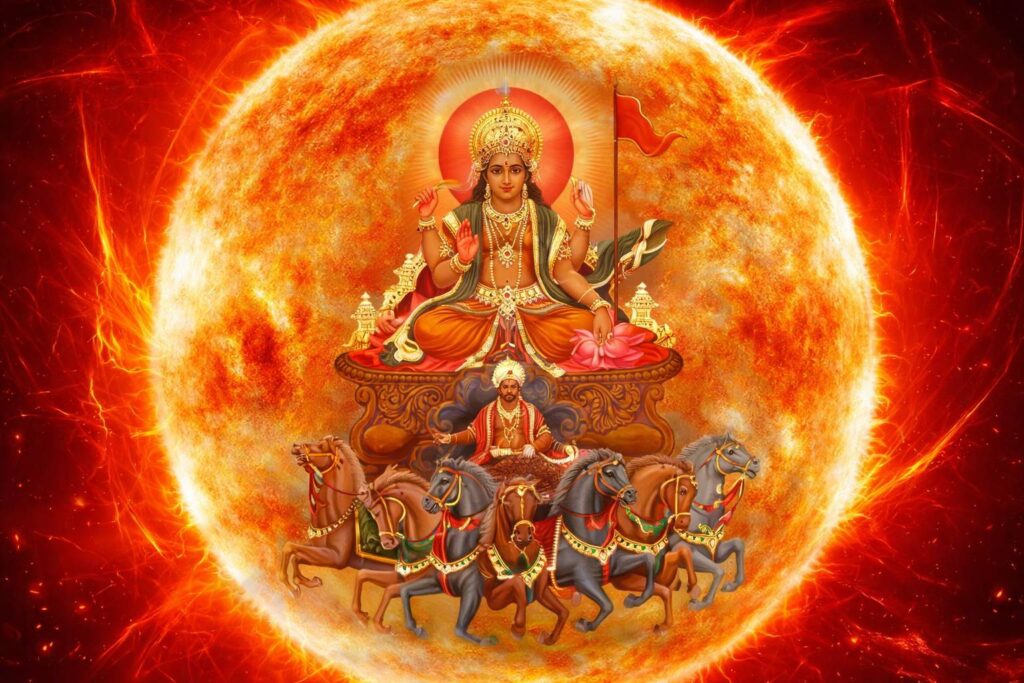
The most foundational Hindu significance of Vaisakhi is Mesha Sankranti. When the Sun enters Aries, it completes a full solar cycle and begins a new one. Hindus observe this transition as the start of the new year according to the solar calendar. The Sun, known as Surya Dev, is not merely a star in Hinduism. He is a living deity, the source of all life.
Devotees wake early on this day to bathe, face the rising Sun, and offer water and prayers. They chant the Surya Namaskar and Aditya Hridayam, invoking the Sun God’s blessings for a year filled with health, prosperity, and clarity. Every prayer on this morning carries the weight of a new beginning.
2. Ganga Devi’s Descent to Earth

One of the most sacred and lesser-known aspects of Vaisakhi in Hindu tradition is its connection to Maa Ganga Devi. Hindu scriptures tell us that the divine river Ganga descended from the heavens to the earth on this very day. This is why millions of devotees travel to the banks of the Ganga, the Yamuna, the Kaveri, and the Jhelum on Vaisakhi, to take a holy dip in her sacred waters.
A bath in the Ganga on Vaisakhi is believed to cleanse sins accumulated over lifetimes, purify the soul, and bring the devotee closer to Moksha. For those who cannot reach a sacred river, bathing at home while chanting Ganga’s name with full faith is considered equally potent on this day.
3. The Sacred Month of Vaisakha and Lord Vishnu
The month of Vaisakha holds a uniquely elevated place in Hindu sacred texts. Lord Vishnu, the preserver of the universe, is the presiding deity of this month. The Padma Purana and Vishnu Purana both describe Vaisakha as the most beloved month of Lord Vishnu, and acts of devotion performed during this time are said to return merit that lasts across many lifetimes.
Ancient legend describes that on Vaisakhi, Lord Vishnu took the form of the Kurma avatar, the divine turtle, and held Mount Meru on His back during the churning of the cosmic ocean. This act of divine selflessness produced nectar for the gods and reminds devotees that Lord Vishnu’s grace sustains the entire creation.
Hindus visit Vishnu temples on this day, offer tulsi leaves and yellow flowers, and recite Vishnu Sahasranama. Fasting, observing silence, and performing daan in His name are all considered acts of deep devotion during Vaisakha.
4. Worship of Surya Dev and Other Deities
Across different regions of India, Vaisakhi takes on slightly different devotional expressions, all rooted in the same spiritual soil. In Bihar and eastern India, Surya Dev receives elaborate offerings on this day. In Himachal Pradesh, Goddess Durga is worshipped with great reverence. And, in southern India, Lord Vishnu receives special temple worship, and the day is considered ideal for beginning new ventures, seeking divine blessings for education, business, and family.
The Arya Samaj, the reformist Hindu movement founded by Swami Dayanand Saraswati, also observes this day with special significance because it was on Vaisakhi in 1875 that Swami Dayanand formally established the Arya Samaj in Bombay.
Vaisakhi Across India: One Festival, Many Sacred Names
Sanatan Dharma has always celebrated the diversity of expression within a unity of spirit. Vaisakhi is one of the most beautiful examples of this truth. On the same sacred day, the same solar transition, the same harvest gratitude is celebrated across India under many different names.
- Vishu in Kerala, where families arrange the Vishukkani, a sacred arrangement of auspicious items seen first thing in the morning as a harbinger of prosperity for the year ahead.
- Puthandu in Tamil Nadu, the Tamil New Year, celebrated with new clothes, temple visits, and feasts of six tastes representing the fullness of life.
- Pohela Boishakh in West Bengal, the Bengali New Year, observed with music, art, and the warmth of new beginnings.
- Bohag Bihu in Assam, a joyful harvest celebration filled with traditional Bihu dance and community feasting.
- Pana Sankranti in Odisha, marked by the preparation and sharing of a special drink made from mango pulp, jaggery, and water.
- MahaVishuva Sankranti in Odisha and other parts of central India, observed as a time for holy bathing and Sun worship
In every state, in every language, the message is the same. A new solar year has begun. Give thanks. Begin again with grace and devotion.
How to Observe and Celebrate Vaisakhi 2026?
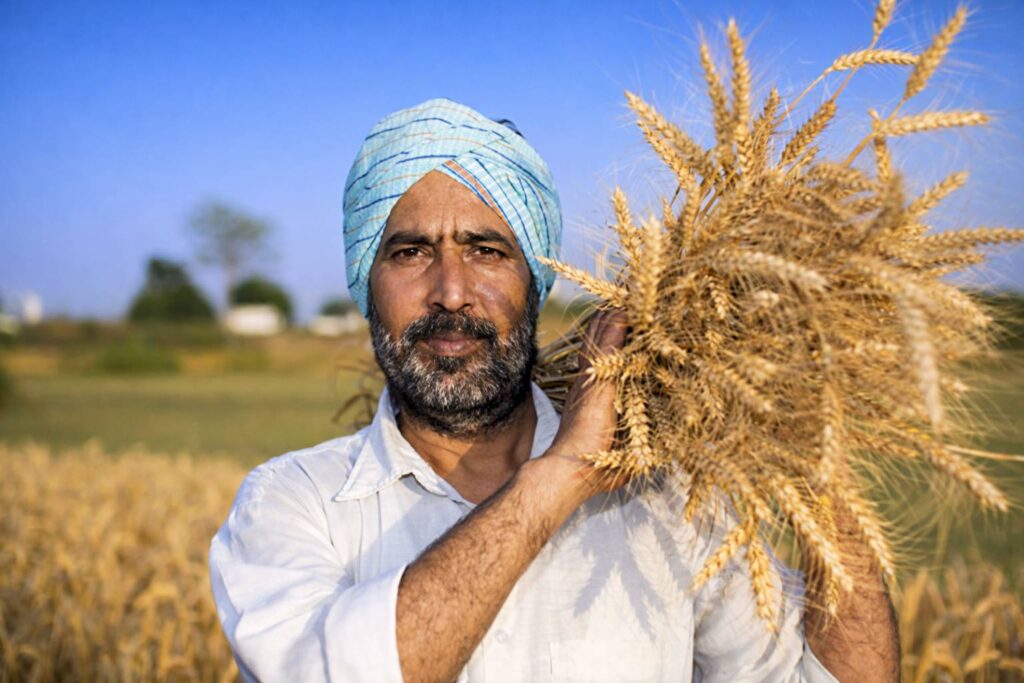
Vaisakhi is a day of action, devotion, and gratitude. Here is how Hindus across traditions observe this festival with sincerity and love.
1. Holy Bathing (Snan) at Sacred Rivers
The most significant ritual of Vaisakhi for Hindus is the holy dip at a sacred river. Devotees travel to the Ganga, Yamuna, Godavari, Kaveri, or Jhelum before sunrise on April 14, 2026. They enter the water while chanting the names of God, offer water to the Sun, and pray for the purification of their family and ancestors. Even a simple bath at home, performed with the right intention and mantra, holds deep spiritual value on this day.
2. Surya Puja: Offering Gratitude to the Sun God
After bathing, devotees face the rising Sun and offer water, red flowers, and prayers. The Aditya Hridayam, Surya Chalisa, and Gayatri Mantra are recited to invoke Surya Dev’s blessings. Surya is the divine witness of all human actions, and seeking His blessings at the beginning of the solar new year is considered the most auspicious way to open the chapter ahead.
3. Vishnu Puja and Temple Visits
Visiting a Vishnu temple on Vaisakhi and offering tulsi leaves, yellow flowers, and panchamrit is a beloved tradition. Many families recite the Vishnu Sahasranama together and perform a special puja at home. The energy of the Vaisakha month amplifies every act of devotion performed in Lord Vishnu’s name.
4. Daan: The Art of Sacred Giving
Daan (charity) on Vaisakhi is considered one of the most powerful spiritual acts of the year. Traditional daan on this day includes hand fans (to represent the coming summer heat), water pitchers, seasonal fruits, and clothing for the needy. Giving with a full heart on this day is said to generate Punya that protects the devotee and their family throughout the year.
5. Prayers, Bhajans, and Community Gatherings
Temples across North India organize special bhajan sessions, puja gatherings, and katha recitations on Vaisakhi. Fairs are held at pilgrimage sites, and processions of temple deities are taken through the streets. It is a day that naturally draws communities together in shared gratitude and joy.
Vaisakhi and Its Connection to Nature
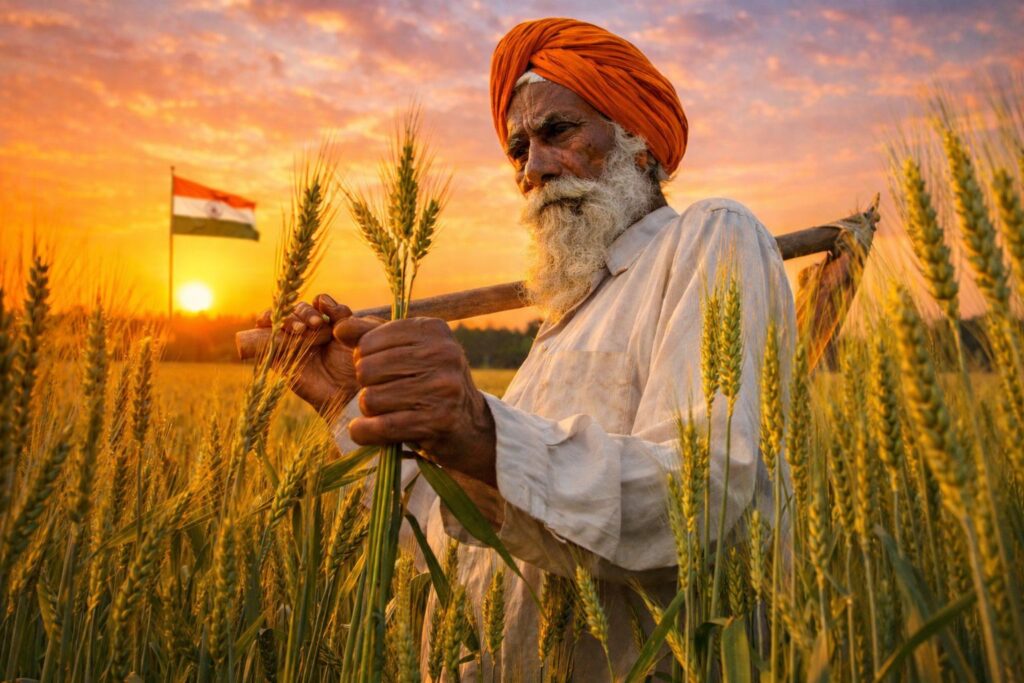
One of the most beautiful truths that Vaisakhi teaches is that Hindu spirituality has never separated the sacred from the natural. The ripening of crops is not merely a biological event. It is a gift from the Divine. The movement of the Sun from one sign to another is not merely astronomy. It is a declaration that time itself is sacred, and that every new year deserves to be welcomed with reverence.
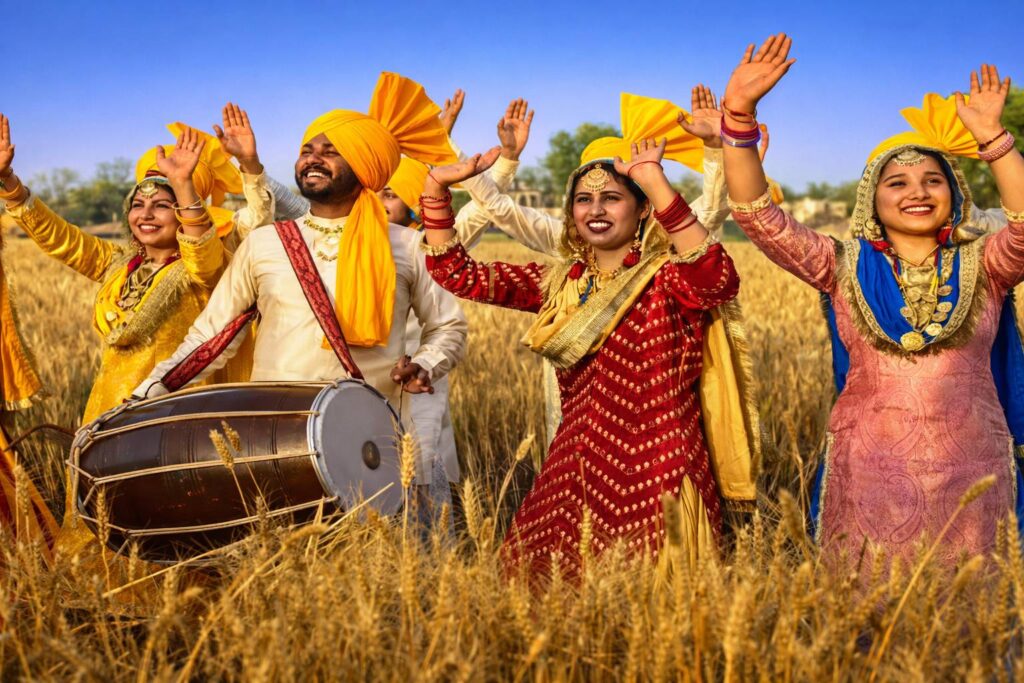
For the farmers of Punjab, Haryana, and the Gangetic plains, Vaisakhi is deeply personal. The harvest they celebrate represents months of hard work, trust in monsoons that may or may not come on time, and faith that the earth will keep its promise. When they dance the Bhangra on the threshing floor, they are not just celebrating abundance. They are celebrating the miracle of life.
Conclusion: Celebrate Vaisakhi 2026 with a Full Heart
Vaisakhi is more than a festival. It is an annual reminder that life, in all its abundance and beauty, is a gift worth celebrating with gratitude and devotion. It is a moment when heaven and earth align, when the Sun begins a new cycle, when rivers carry the grace of Ganga Devi, and when the hearts of millions of Hindus swell with love for the Divine.
As Vaisakhi 2026 approaches on April 13 and 14, take a moment to step away from the noise of daily life. Go to the river if you can. Offer water to the Sun. Light a diya before Lord Vishnu. Give something away with love. Let this day be more than a holiday. Let it be a homecoming.
May this Vaisakhi bring you and your family abundant blessings, inner peace, and the grace of a year lived in harmony with the Divine.
Shubh Vaisakhi 2026.
Frequently Asked Questions About Vaisakhi 2026
1. What is the date of Vaisakhi in 2026?
Vaisakhi 2026 falls on April 13 and 14. The Mesha Sankranti moment occurs on the evening of April 13, and the Punya Kaal for rituals and holy bathing is observed on the morning of April 14, 2026.
2. Is Vaisakhi a Hindu festival?
Yes, Vaisakhi has deep and ancient roots in Hinduism. It marks Mesha Sankranti, the Hindu solar new year, and the first day of the sacred month of Vaisakha. While it is also celebrated by Sikhs and other communities, its origins predate Sikhism and are firmly rooted in the Hindu harvest and solar calendar tradition.
3. What is the meaning of Vaisakhi?
The name Vaisakhi derives from Vaisakha, the first month of the Hindu solar calendar. The festival marks the Sun’s entry into Aries (Mesha Rashi), the beginning of the new solar year, and a time of harvest thanksgiving. In essence, Vaisakhi means the sacred opening of a new cosmic cycle.
4. What rituals do Hindus observe on Vaisakhi?
Hindus observe Vaisakhi by bathing in sacred rivers, offering prayers to Surya Dev, visiting Vishnu temples, performing daan (charity), reciting Vishnu Sahasranama and Gayatri Mantra, and participating in community fairs and temple processions.
5. Why do Hindus take a holy dip on Vaisakhi?
Hindu scriptures state that Ganga Devi descended from the heavens to the earth on Vaisakhi. A sacred bath in rivers like the Ganga, Yamuna, or Kaveri on this day is believed to cleanse sins, purify the soul, and bring the devotee closer to liberation.
6. What is Vaisakhi called in other parts of India?
Vaisakhi is known by many names across India. It is celebrated as Vishu in Kerala, Puthandu in Tamil Nadu, Pohela Boishakh in West Bengal, Bohag Bihu in Assam, and Pana Sankranti in Odisha. Each region celebrates the same solar transition with its own beautiful customs.
Save or bookmark this page so you can return to it whenever you seek calm, clarity, or devotion. Follow us on Instagram and Facebook to stay connected, and share your thoughts or suggestions in the comments.
This Bhakti corner is meant to be returned to, not just read once.