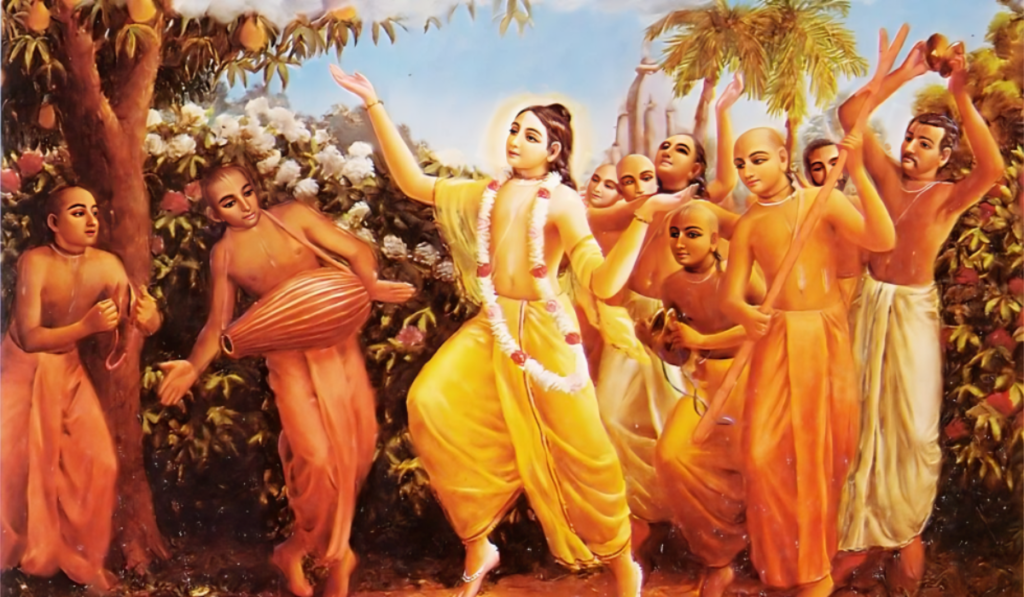






Shaheedi Week of the 4 Sahibzaade is not just a remembrance. It is a confrontation. With history. With courage. With the uncomfortable truth that children once showed more moral strength than most adults ever will.
Observed every year in the month of Poh, this week remembers the supreme sacrifice of Shri Guru Gobind Singh Ji’s four sons, the Sahibzaade, along with Mata Gujri Ji. Their Shaheedi stands as one of the most heartbreaking and powerful chapters in Sikh history.
Not because of the brutality alone, but because of the clarity of choice they showed even in the face of death. This is not a story meant to make us emotional for a few days. It is meant to disturb us and then guide us.
Who Were the 4 Sahibzaade?
Shri Guru Gobind Singh Ji, the tenth Sikh Guru, had four sons:
- Sahibzaada Ajit Singh Ji
- Sahibzaada Jujhar Singh Ji
- Sahibzaada Zorawar Singh Ji
- Sahibzaada Fateh Singh Ji
They are remembered not for their age, but for their resolve. Two were teenagers who faced the battlefield. Two were just children who faced injustice with calm defiance. All four chose faith over fear.
Shaheedi of the Elder Sahibzaade
Sahibzaada Ajit Singh Ji and Sahibzaada Jujhar Singh Ji
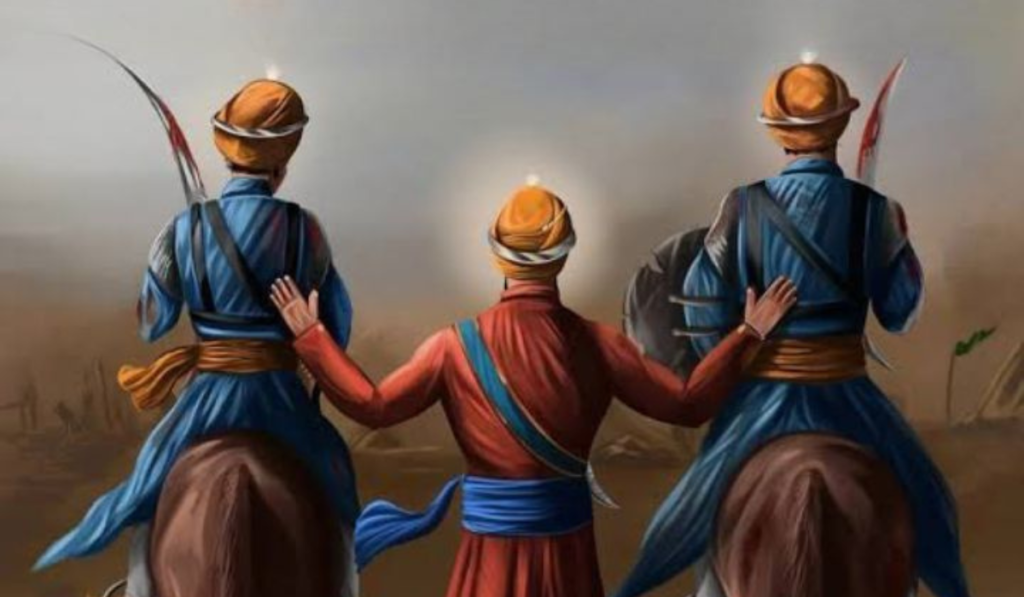
During the Battle of Chamkaur in December 1704, Guru Gobind Singh Ji and a small group of Sikhs were surrounded by an enormous Mughal force. The situation was hopeless by any military logic.
Sahibzaada Ajit Singh Ji, just 18 years old, requested permission from his father to enter the battlefield. Not to escape. Not to negotiate. But to fight. Shri Guru Gobind Singh Ji granted permission, knowing exactly what it meant and what may come next.
He fought with unmatched bravery and attained shaheedi. Soon after, Sahibzaada Jujhar Singh Ji, only 14, followed the same path as his elder brother. Calm. Focused. Fearless. He too laid down his life defending righteousness.
They did not die because they were forced to. They died because they chose to stand in front of injustice.
Shaheedi of the Younger Sahibzaade
Sahibzaada Zorawar Singh Ji and Sahibzaada Fateh Singh Ji
If the battlefield shook the body, Sirhind shattered the soul.
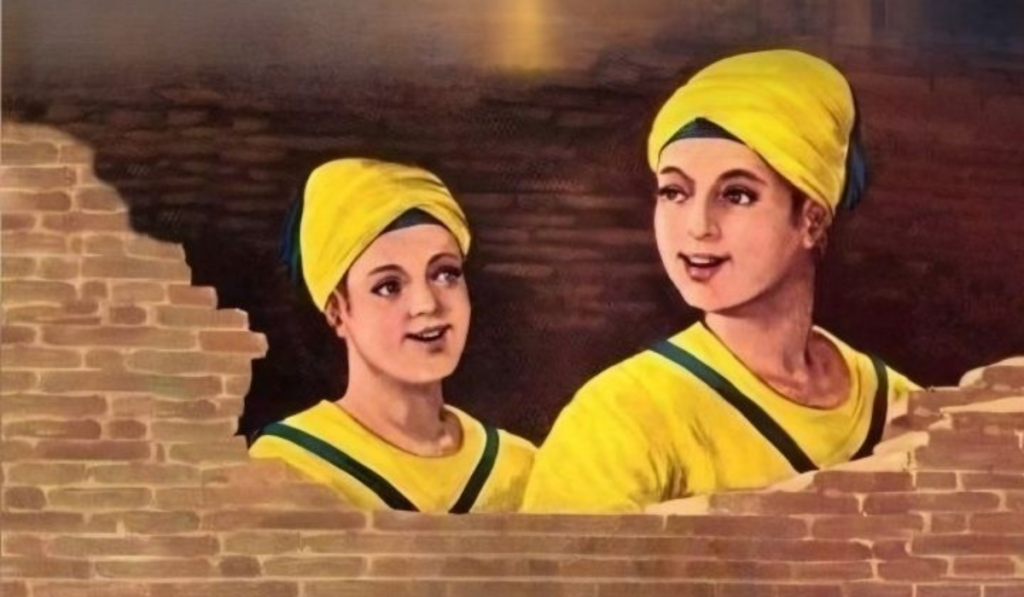
The younger Sahibzaade, aged 9 and 7, were captured along with their grandmother, Mata Gujri Ji. They were imprisoned in the cold Thanda Burj at Sirhind. No warmth. No food. No comfort. The Mughal governor, Wazir Khan, offered them life in exchange for conversion. Comfort in exchange for surrender.
They refused. Again. And again.
Children who could have been forgiven for fear stood firmer than kings. As punishment, they were bricked alive within a wall. When the wall collapsed due to its own weight, they were executed.
Mata Gujri Ji attained shaheedi soon after, unable to bear the loss but spiritually victorious. This was not just cruelty. It was a test of conscience. And the Sahibzaade passed it without hesitation.
Why Shaheedi Week is so Important Today?
Shaheedi Week is not about mourning alone. It is about reflection. The Sahibzaade remind us that:
- Age does not define courage
- Power does not define truth
- Survival is meaningless without values
In a world obsessed with comfort, compromise, and convenience, their sacrifice stands like a mirror. It asks uncomfortable questions. What do we stand for? What are we willing to lose for it? And when pressure comes, do we bend or do we hold?
How Shaheedi Week is Observed and Remembered
Shaheedi Week is not observed the same way everywhere. Each sacred Sikh place carries different emotions because its history unfolded there in a unique way. The remembrance changes with the land.
Chamkaur Sahib: Where the Elder Sahibzaade Fell
At Sri Chamkaur Sahib, remembrance is raw and martial. This is the land where Sahibzaada Ajit Singh Ji and Sahibzaada Jujhar Singh Ji attained shaheedi during the Battle of Chamkaur. Today, they are remembered by detailed kathas, shastar seva and gatka demonstration.
Sirhind Fatehgarh Sahib: Where Innocence Faced Tyranny
At Fatehgarh Sahib, near Sirhind, the tone shifts entirely. This is where the younger Sahibzaade, Sahibzaada Zorawar Singh Ji and Sahibzaada Fateh Singh Ji, were bricked alive. During this month of Poh, they are remembered in night long kirtans, katha focusing on moral courage. The Gurdwara Jyoti Saroop, where Mata Gujri Ji attained shaheedi, becomes a place of quiet mourning.
Anandpur Sahib: Reflection on the Guru’s Vision
At Anandpur Sahib, the birthplace of the Khalsa, Shaheedi Week focuses on context. This is where Guru Gobind Singh Ji shaped the values that guided his sons. They were remembered historical kathas connecting the Sahibzaade’s shaheedi to the creation of the Khalsa. Discussions on dharam, hukam, and sacrifice, tying philosophy to lived action.
Sri Harmandir Sahib (Golden Temple): Collective Remembrance
At the Golden Temple, Shaheedi Week becomes universal. This is where Sikh grief turns into shared consciousness. Continuous kirtan emphasizes shabad over speech. Katha from respected scholars connects all four Sahibzaade into one narrative of faith, and langar seva intensifies, reflecting the Sikh response to loss through service.
The Deeper Message of the 4 Sahibzaade
The Sahibzaade were not martyrs because they died. They were martyrs because they refused to abandon the truth even when death was guaranteed. Their lives teach:
- Fear loses power when faith is clear
- Values are strongest when tested
- True victory does not always look like survival
They did not ask, What will happen to me? They asked, What is right? That question still matters.
Conclusion
Shaheedi Week is not history trapped in the past. It is a living reminder that righteousness often demands sacrifice, and that even the youngest voices can echo with unbreakable strength.
The 4 Sahibzaade did not live long lives. But they lived complete ones. Rooted in courage. Guided by truth. Unshaken by terror. Remembering them is easy. Living by what they stood for is the real challenge.
And that challenge is still waiting.
Let’s stay connected! Come say hi on Instagram or follow us on Facebook for more interesting knowledge.