


India holds a sacred geography unlike any other land on earth. Across mountains, forests, rivers, and coastlines, Lord Shiva reveals himself in 12 forms of light. These are the 12 Jyotirlingas in India: divine shrines where Shiva is worshipped not as a sculpted image, but as a living column of radiant light.
For millions of Hindu devotees, visiting these shrines is a life’s calling. The Jyotirlingas of Lord Shiva span the entire subcontinent, from the icy heights of the Himalayas to the southernmost tip of Tamil Nadu, connecting every corner of Bharat through a thread of devotion.
This guide covers everything you need: the complete Jyotirlinga list with location, the spiritual meaning behind each shrine, and why these 12 sacred sites hold a place unlike any other in Sanatan Dharma.
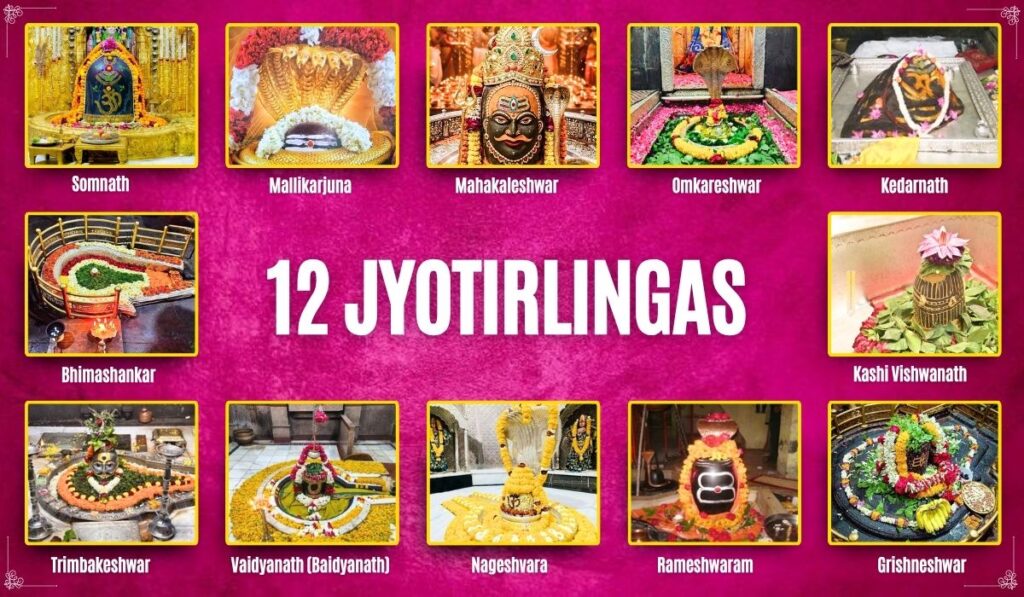
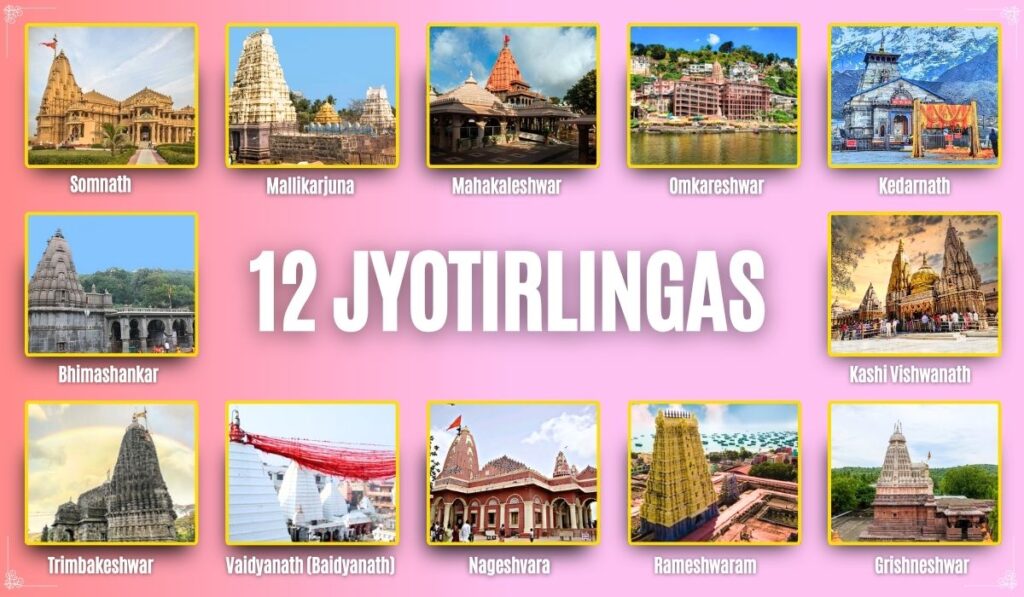
12 Jyotirlingas in India: Names and Locations
Here is the complete 12 Jyotirlinga names and places reference table:
| Jyotirlinga | Location | Main Deity Worshipped | |
| 1 | Somnath | Prabhas Patan, Gujarat | Somnath (Lord Shiva) |
| 2 | Mallikarjuna | Srisailam, Andhra Pradesh | Mallikarjuna (Lord Shiva) & Bhramaramba (Goddess Parvati) |
| 3 | Mahakaleshwar | Ujjain, Madhya Pradesh | Mahakaleshwar (Lord Shiva) |
| 4 | Omkareshwar | Mandhata Island, Madhya Pradesh | Omkareshwar & Mamleshwar (Lord Shiva) |
| 5 | Kedarnath | Kedarnath, Uttarakhand | Kedarnath (Lord Shiva) |
| 6 | Bhimashankar | Pune district, Maharashtra | Bhimashankar (Lord Shiva) |
| 7 | Kashi Vishwanath | Varanasi, Uttar Pradesh | Vishwanath (Lord Shiva) |
| 8 | Trimbakeshwar | Nashik, Maharashtra | Trimbakeshwar (Lord Shiva as Brahma, Vishnu & Shiva) |
| 9 | Vaidyanath (Baidyanath) | Deoghar, Jharkhand | Vaidyanath (Lord Shiva as the Divine Healer) |
| 10 | Nageshvara | Dwarka, Gujarat | Nageshvara (Lord Shiva as Nagesh) |
| 11 | Rameshwaram | Rameswaram, Tamil Nadu | Ramanathaswamy (Lord Shiva) |
| 12 | Grishneshwar | Ellora, Aurangabad, Maharashtra | Grishneshwar (Lord Shiva) |
12 Jyotirlingas: Meaning and Significance
What is the significance of the 12 Jyotirlingas? The 12 Jyotirlingas are the most sacred shrines of Lord Shiva in Hinduism, where Shiva manifested as a pillar of infinite light. According to the Shiva Mahapurana, one who recites their names morning and evening is freed from the sins of seven lifetimes.
The word Jyotirlinga comes from Sanskrit: Jyoti means light or radiance, and Linga means the divine form of Shiva. Together, a Jyotirlinga is the luminous, formless presence of Mahadeva, Shiva in his most pure and infinite state.
The Shiva Mahapurana recounts that once Brahma (the creator) and Vishnu (the preserver) argued over who held supreme authority. Lord Shiva settled the debate by manifesting as an endless column of fire, piercing through all the three worlds. Neither Brahma nor Vishnu could find its beginning or end. It was from this divine pillar of light that the concept of the Jyotirlinga emerged.
Originally, 64 Jyotirlingas were said to exist across the cosmos. Of these, 12 are considered especially sacred and have been worshipped since ancient times. Each of the 12 Jyotirlingas in India is believed to carry the living presence of Shiva, not just a representation, but the deity himself.
The Dwadasha Jyotirlinga Stotram (द्वादश ज्योतिर्लिंग स्तोत्रम्).
The ancient Sanskrit hymn that names all 12 Jyotirlingas is one of the most revered shlokas in Shaivism:
The Dwadasha Jyotirlinga Stotram (द्वादश ज्योतिर्लिंग स्तोत्रम्)
The ancient Sanskrit hymn that names all 12 Jyotirlingas is one of the most revered shlokas in Shaivism:
सौराष्ट्रे सोमनाथं च श्रीशैले मल्लिकार्जुनम्।
उज्जयिन्यां महाकालमोङ्कारममलेश्वरम्॥
परल्यां वैद्यनाथं च डाकिन्यां भीमशङ्करम्।
सेतुबन्धे तु रामेशं नागेशं दारुकावने॥
वाराणस्यां तु विश्वेशं त्र्यम्बकं गौतमीतटे।
हिमालये तु केदारं घुश्मेशं च शिवालये॥
एतानि ज्योतिर्लिङ्गानि सायं प्रातः पठेन्नरः।
सप्तजन्मकृतं पापं स्मरणेन विनश्यति॥
एतेशां दर्शनादेव पातकं नैव तिष्ठति।
कर्मक्षयो भवेत्तस्य यस्य तुष्टो महेश्वराः॥
Transliteration:
Saurashtre Somanathamcha Srisaile Mallikarjunam |
Ujjayinya Mahakalam Omkaramamaleswaram ||
Paralyam Vaidyanathancha Dakinyam Bheema Shankaram |
Setu Bandhethu Ramesam, Nagesam Darukavane ||
Varanasyantu Vishwesam Tryambakam Gautameethate |
Himalayetu Kedaaram, Ghrishnesamcha shivaalaye ||
Etani jyotirlingani, Saayam Praatah Patennarah |
Sapta Janma Kritam papam, Smaranena Vinashyati ||
Translation:
Somanath in Saurashtra and Mallikarjuna in Srisailam. Mahakaal in Ujjain and Amleshwar in Omkareshwar. Vaidyanath in Paralya and Bhimashankar in Dakniya. Rameshem in Setubandh and Nageshwar in Daruka-Vana. Vishwanath in Varanasi and Trimbakam on the banks of the Gautami River. Kedarnath in the Himalayas and Grishneshwar in Shivalaya. One who recites these Jyotirlingas every morning and evening is freed from the sins of seven past lifetimes. One who visits these shrines gets all wishes fulfilled, and karma is dissolved as Maheshwara is pleased.
What are the 12 Jyotirlingas?
Devotees worship Lord Shiva at 12 sacred shrines across India, known as Jyotirlingas, where he appears as a self-manifested, formless column of divine light. Unlike ordinary temples, these sites hold his eternal presence in the form of pure, radiant energy.
At each Jyotirlinga, the primary form of worship is the Shivalinga, a symbol representing the infinite, beginningless, and endless nature of Lord Shiva. These are not merely idols. They are living points of divine energy.
The 12 Jyotirlingas of Lord Shiva span 9 states across India, including Gujarat, Andhra Pradesh, Madhya Pradesh, Uttarakhand, Maharashtra, Uttar Pradesh, Jharkhand, and Tamil Nadu. Each shrine carries its own legend, reflects its regional culture, and sustains a distinct devotional tradition. Together, they form a sacred map of Shiva’s presence across Bharat.
1. Somnath: Prabhas Patan, Gujarat
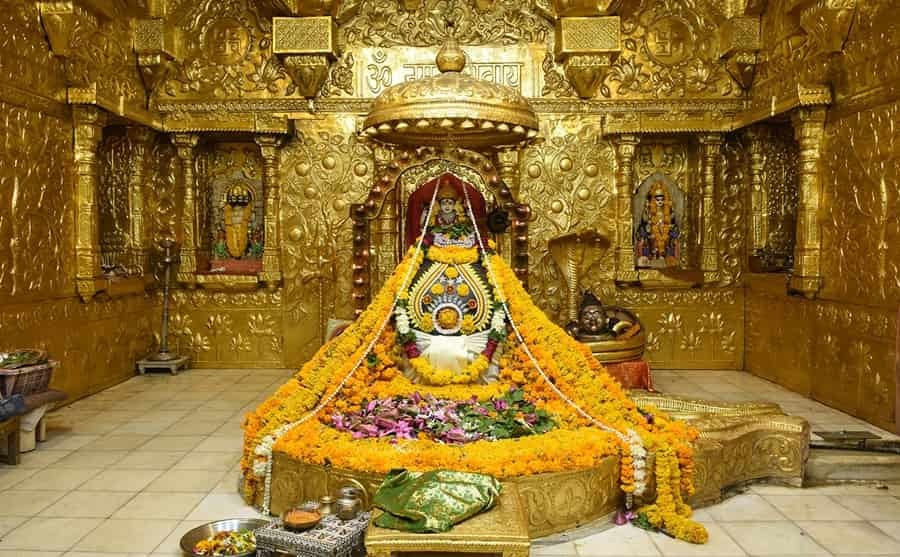
Somnath is the first and one of the oldest of all the 12 Jyotirlingas in India. The temple stands on Gujarat’s western coast, facing the Arabian Sea, and has endured repeated destruction and rebuilding across history. It remains a living testament to the kind of faith that apparently refuses to take a hint and disappear. The name means ‘Lord of the Moon,’ and the location itself carries the energy of a thousand sunrise prayers.
2. Mallikarjuna: Srisailam, Andhra Pradesh
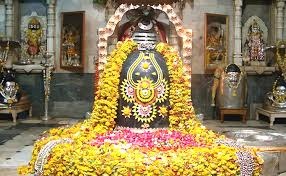
The temple stands in the Nallamala Hills of Andhra Pradesh, where devotees revere Mallikarjuna as both a Jyotirlinga and a Shakti Peetha. It remains one of the rare sacred sites where Lord Shiva and Goddess Parvati are worshipped together. The name Mallikarjuna means ‘White Jasmine Lord,’ and the forested setting of this shrine gives it a deep, meditative stillness.
3. Mahakaleshwar: Ujjain, Madhya Pradesh
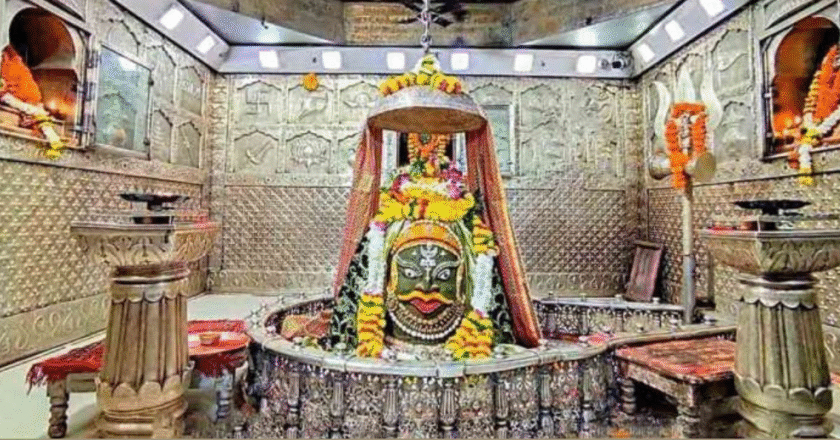
Mahakaleshwar in Ujjain is the only south-facing (Dakshinamukhi) Jyotirlinga in the entire Jyotirlinga list with location. This directional orientation is considered especially powerful in Tantric tradition. The Bhasma Aarti here, performed with sacred ash in the early hours of dawn, is an experience that lingers in the heart long after one has left.
4. Omkareshwar: Mandhata Island, Madhya Pradesh
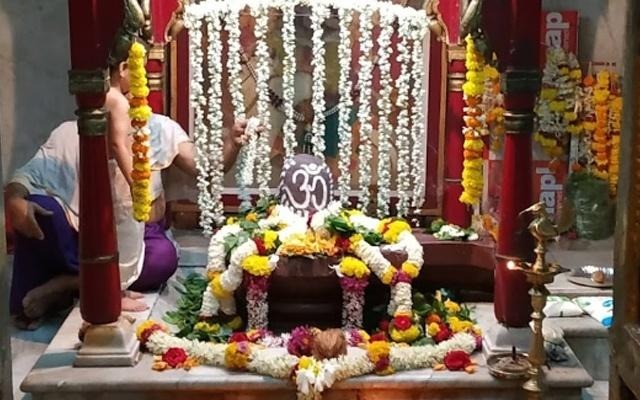
Omkareshwar stands on an island in the Narmada River that naturally forms the sacred symbol “Om,” giving the shrine profound symbolic significance. Devotees worship two Shivalingas here, Omkareshwar and Mamleshwar, which together are as a single Jyotirlinga..
5. Kedarnath: Uttarakhand
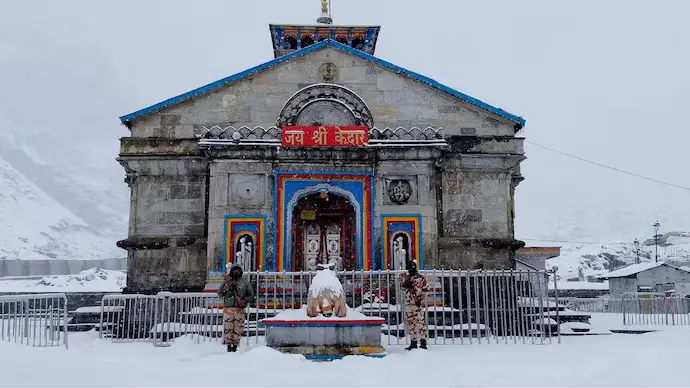
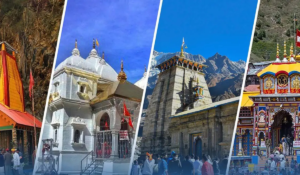
At 3,583 meters in the Garhwal Himalayas, Kedarnath is the highest of all 12 Jyotirlingas in India. Accessible only by a 16-kilometer trek through mountain terrain, it is part of the Char Dham Yatra. The temple, believed to have been built by the Pandavas and later restored by Adi Shankaracharya, stands as a symbol of both physical endurance and spiritual surrender.
6. Bhimashankar: Pune, Maharashtra
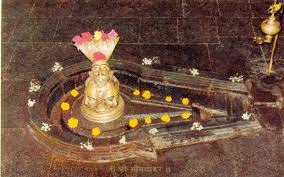
Bhimashankar is nestled deep within the Sahyadri hills inside a wildlife sanctuary. According to the Shiva Purana, this is the site where Lord Shiva defeated the demon Bhima. The shrine is the source of the Bhima River, and the surrounding forest, especially during the monsoon, becomes a setting that feels as close to heaven as any devotee could hope for.
7. Kashi Vishwanath: Varanasi, Uttar Pradesh
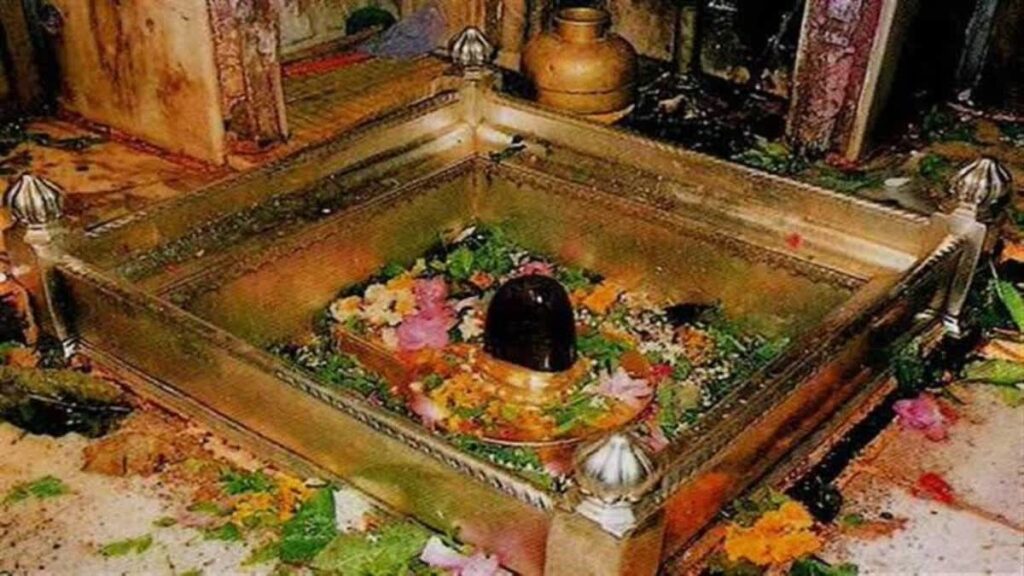
Kashi Vishwanath is perhaps the most celebrated of all the Jyotirlingas of Lord Shiva. Lord Shiva himself whispers the Taraka Mantra into the ears of those who die in Kashi, granting them moksha, at this temple on the western bank of the Ganga in the eternal city of Varanasi. The golden spire of this temple has witnessed centuries of devotion.
8. Trimbakeshwar: Nashik, Maharashtra
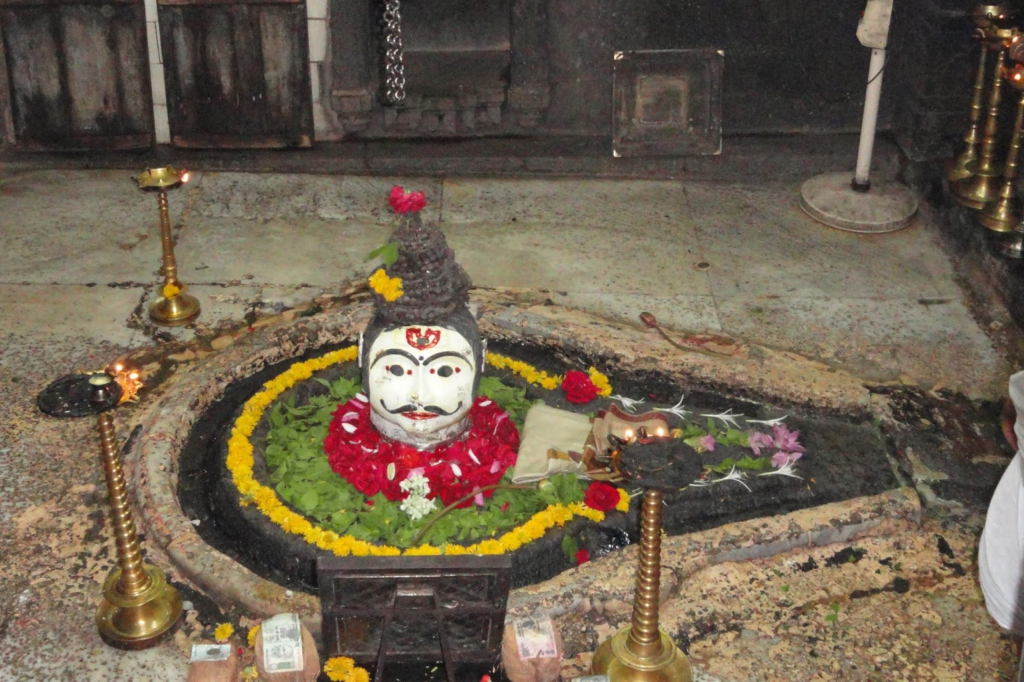
Trimbakeshwar is the only Jyotirlinga where the Shivalinga represents Brahma, Vishnu, and Shiva as one unified form. Located at the source of the sacred Godavari River, the temple’s black stone architecture and the spiritual gravity of the place make it one of the most visited shrines in Maharashtra. The Kumbh Mela held here is among the largest in India.
9. Vaidyanath (Baidyanath): Deoghar, Jharkhand
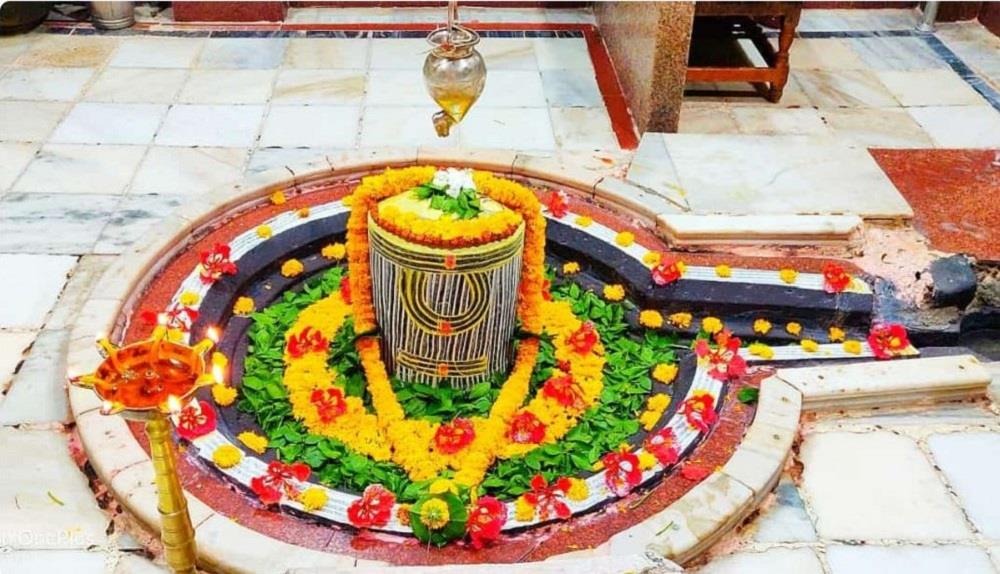
Vaidyanath in Deoghar is both a Jyotirlinga and a Shakti Peetha, making it doubly sacred. The name Vaidyanath means ‘Lord of Physicians,’ and Shiva here is worshipped as the divine healer. During the month of Shravan, millions of Kanwariyas walk hundreds of kilometers carrying holy water from the Ganges to offer at this shrine.
10. Nageshvara: Dwarka, Gujarat
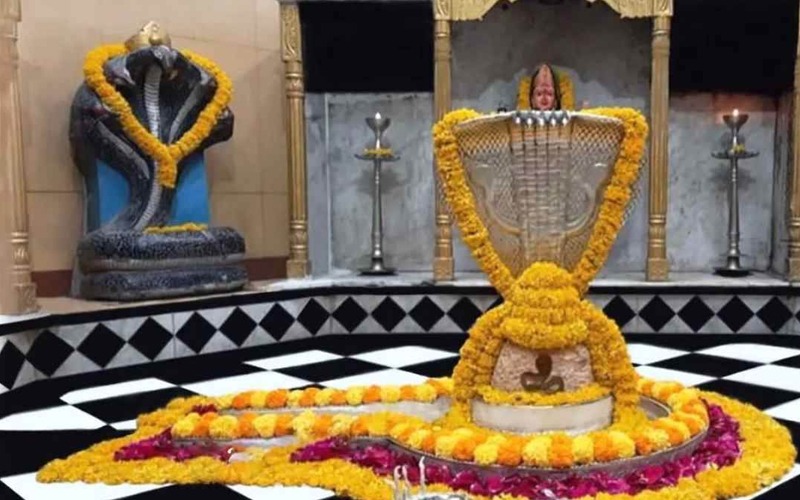
Nageshvara is located near the sacred city of Dwarka in Gujarat. Shiva here is worshipped as Nagesh, the Lord of Serpents. A towering 80-foot statue of Lord Shiva stands within the temple courtyard. According to legend, Shiva appeared here to protect a devotee named Supriya from a demon, and his grace continues to protect all who worship him here.
11. Rameshwaram: Rameswaram, Tamil Nadu
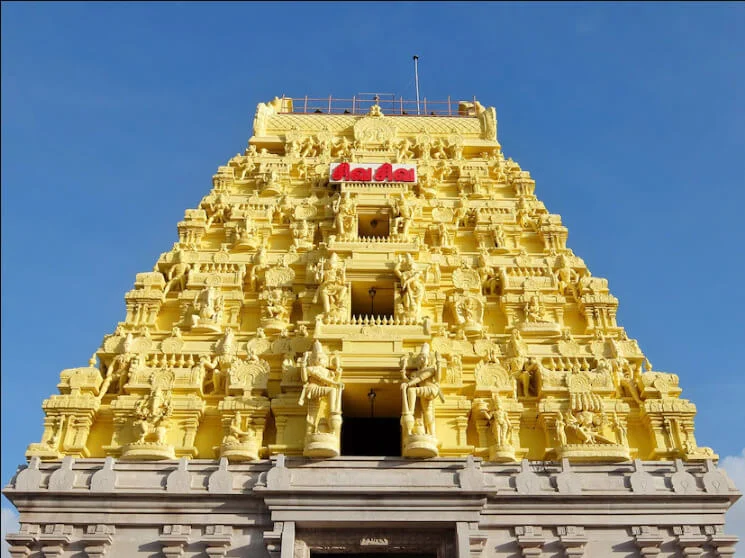
Rameshwaram is the southernmost of all the 12 Jyotirlingas in India. Tradition holds that Lord Rama himself installed the Shivalinga here after his victory over Lanka, seeking the blessings of Lord Shiva. The temple’s famous corridor, one of the longest in India, and the 22 sacred theerthams inside make a visit here a complete spiritual journey.
12. Grishneshwar: Aurangabad, Maharashtra
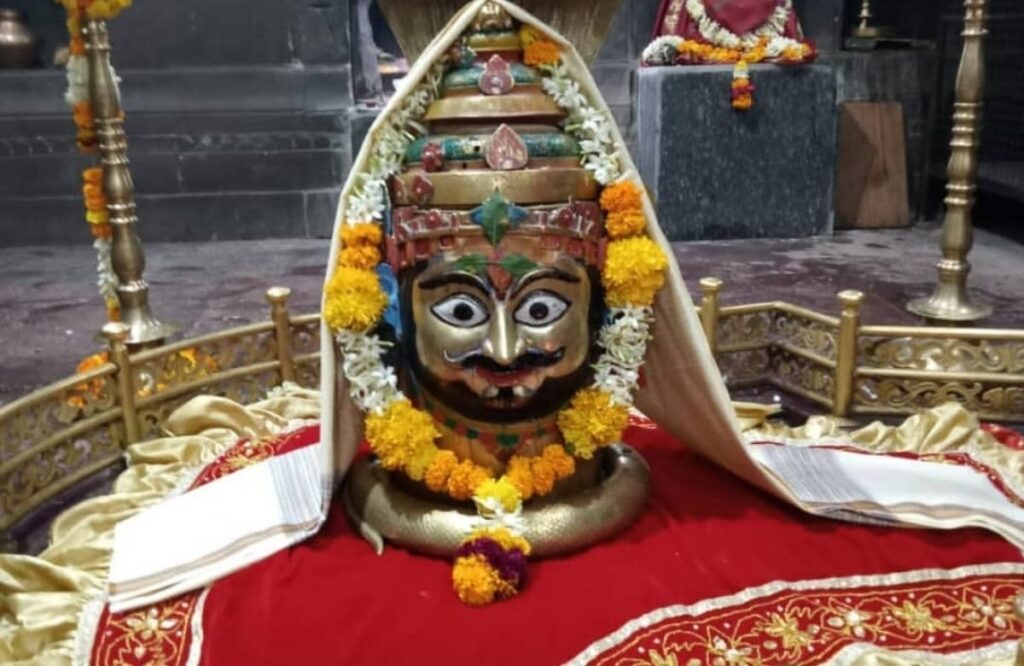
Grishneshwar is the 12th and final Jyotirlinga, located just a kilometer from the UNESCO-listed Ellora Caves. This is the only Jyotirlinga where devotees can directly touch the Shivalinga during darshan. Built in red basalt, the temple is a masterpiece of Hindu temple architecture. No pilgrimage of the 12 Jyotirlingas is complete without this final sacred stop.
Why are Jyotirlingas Worshipped?
Why are Jyotirlingas worshipped? Jyotirlingas are worshipped because they are believed to be the direct, self-manifested forms of Lord Shiva. Unlike ordinary shrines, these sites carry the living divine energy of Mahadeva. Worshipping or even reciting their names is said to purify one’s karma and grant moksha.
The importance of Jyotirlingas in Hinduism goes far beyond ritual. Each Jyotirlinga marks a place where the boundary between the human and the divine becomes thin. These are sites of Swayambhu manifestation, meaning Shiva appeared here on his own, without being invoked or installed by any human hand.
The Shiva Mahapurana states that merely reciting the names of the 12 Jyotirlingas in India every morning and evening dissolves the sins of seven lifetimes. Actually visiting these shrines is believed to liberate the soul from the cycle of birth and death entirely. For millions of Hindus, the Dwadasha Jyotirlinga Yatra (pilgrimage to all 12) is one of the highest spiritual acts a person can undertake in this lifetime.
But beyond the scriptural promises, the devotion that flows at these shrines is real and palpable. Be it the sound of bells echoing over the Ganga at Kashi, or the icy wind carrying the fragrance of flowers at Kedarnath, these places touch something deep in the human spirit. They remind us, as Shiva does, of what is eternal.
Conclusion
The 12 Jyotirlingas in India are not just pilgrimage sites. They are living proof of Shiva’s promise to always be present wherever there is true devotion. From the shores of Somnath to the peaks of Kedarnath, from the holy waters of Rameshwaram to the forested hills of Bhimashankar, each shrine carries a unique flavor of Shiva’s grace.
Whether you plan to undertake the full Jyotirlinga yatra or simply begin by learning the names, you have already taken a step closer to Mahadeva. The Dwadasha Jyotirlinga Stotram reminds us that even the recitation of these names carries merit across seven lifetimes. Start there. Let devotion guide the rest.
Har Har Mahadev.
The journey does not end here. Follow MFC on Instagram and Facebook to explore more sacred places, festivals, and living traditions of Sanatan Dharma.